BiogasEvent
FENX.02.02: PLN 300 million from FEnIKS for biogas and biomethane plants
NFOŚiGW announced the FENX.02.02 "Renewable energy development" call under the FEnIKS programme with a pool of PLN 300 million. Applications were to be accepted from 29 February to 13 May 2024.
Other language versions: polski.
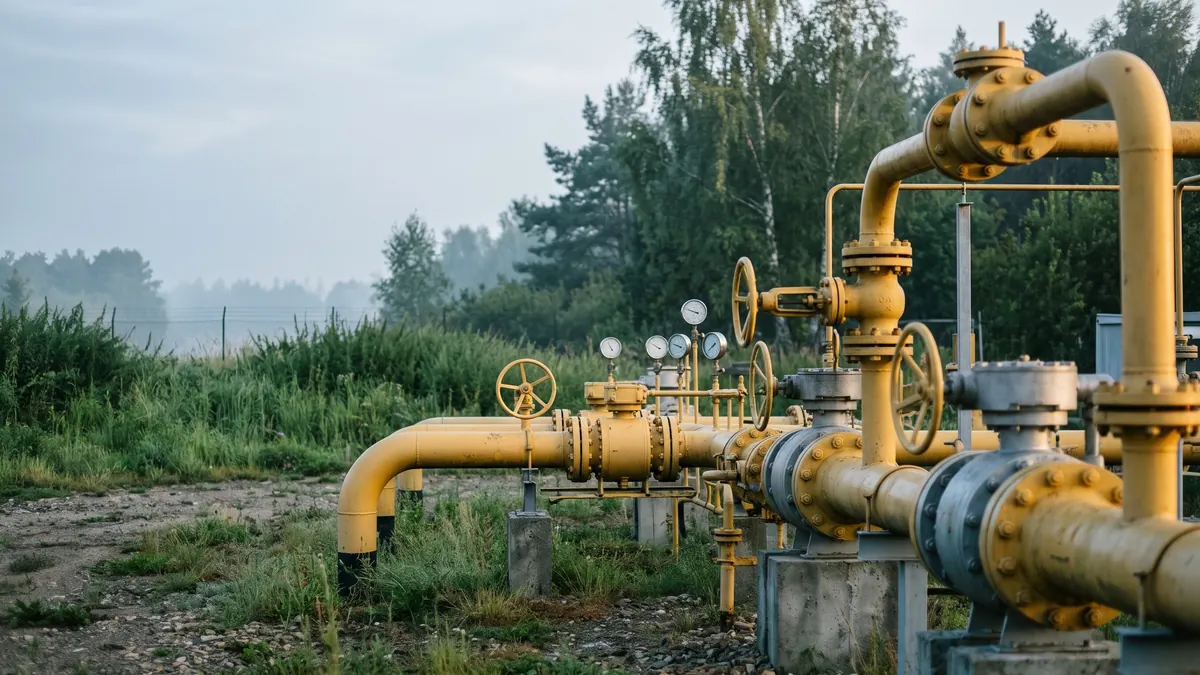
The National Fund for Environmental Protection and Water Management (NFOŚiGW) announced in February 2024 the FENX.02.02 "Renewable energy development" call under the European Funds for Infrastructure, Climate, Environment programme (Fundusze Europejskie na Infrastrukturę, Klimat, Środowisko, FEnIKS), with a pool of PLN 300 million for biogas and biomethane investments. Applications were to be accepted from 29 February to 13 May 2024. For the industry, this was the first such clear financing channel for biomethane plants connected to the grid.
What the call covered
Support was provided for businesses, public administration and local government units. The scope of projects included:
- building, rebuilding or modernising installations producing biomethane with a connection to the gas grid,
- building or expanding installations producing electricity and/or heat from biogas, together with energy storage serving the installation and a grid connection,
- the possibility of supporting biohydrogen installations – this last point was not fully confirmed at the time of the announcement.
The form of aid was most likely to be a preferential loan with the possibility of partial cancellation (in the order of 20–30%). The exact selection criteria had not yet been published at that time.
Conditions worth noting
- Capacity threshold. For a biogas project to qualify for the national programme, it had to exceed 0.5 MWe and/or 0.5 MWt – this follows from the demarcation line between national and regional programmes.
- Readiness. The minimum requirement was grid connection conditions. In addition, points were awarded for project readiness (an environmental decision or building permit), integrated energy storage and delivery by energy communities – clusters and cooperatives.
Significance for the industry in Poland
In 2024 there was not yet a single biomethane plant in Poland injecting gas into the grid, and investors pointed to two main barriers: the lack of an operating support system for larger installations and difficult grid connection. The FENX.02.02 call did not solve both problems, but it reduced the capital barrier: a biomethane plant at a typical scale of several MW is an investment in the order of tens of millions of zlotys, and the share of debt financing depends on revenue predictability.
The programme also showed the direction of policy: EU funding is meant to support primarily installations with a connection to the gas grid, rather than only those producing electricity.
What next
After the call closed, NFOŚiGW announced further programmes for biogas and biomethane, including a programme dedicated to biomethane. The ultimate test of effectiveness, however, will only be the appearance of the first biomethane plants connected to the gas grid. Until then, applicants should in parallel keep an eye on connection and environmental deadlines, because these most often determine the pace of implementation.
Sources
Related articles