BiohydrogenExplainer
Electrolysis and biohydrogen: RFNBO and why power from biogas is a different category
Hydrogen from electrolysis powered by renewables is RFNBO, not biohydrogen. We explain the definitions in EU law, the rules on additionality and temporal correlation, and the situation of hydrogen produced from biogas plant electricity.
Other language versions: polski.
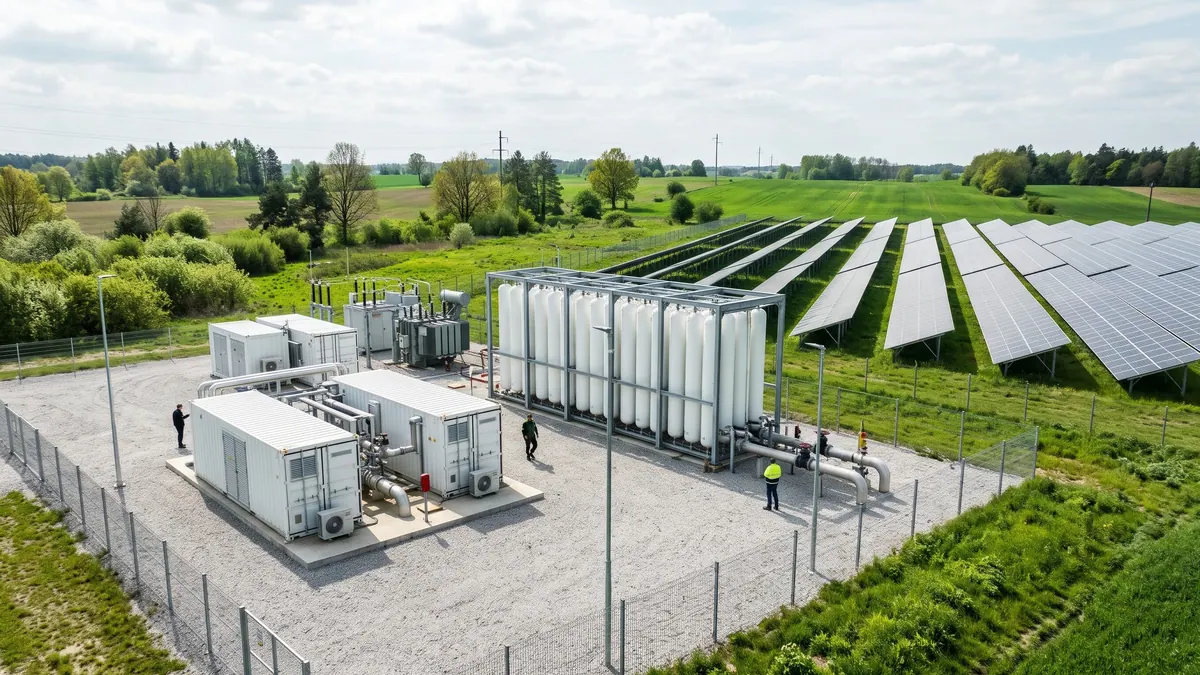
Hydrogen from the electrolysis of water powered by renewable electricity is, in EU law, a renewable fuel of non-biological origin (RFNBO), that is, one whose energy comes from renewable sources other than biomass. It is therefore not "biohydrogen", even if the installation is powered by electricity from a biogas plant: energy from biogas comes from biomass, so hydrogen produced from it does not fall within the RFNBO definition and is subject rather to the rules for biomass fuels. Distinguishing between the two categories is important for support, targets and certification.
Definitions
| Category | Energy source | Rules |
|---|---|---|
| RFNBO (e.g. green hydrogen) | wind, solar, hydro, geothermal – not biomass | detailed rules for electricity |
| Biomass fuels (biohydrogen, biomethane) | biomass and wastes | sustainability and GHG reduction criteria (RED) |
| Low-carbon hydrogen | fossil gas with CO₂ capture, or nuclear energy | separate rules on low-carbon hydrogen |
The RED III Directive (EU) 2023/2413 sets targets for hydrogen and renewable fuels in industry and transport and consolidates the RFNBO definition.
Rules for electricity
Delegated Regulation (EU) 2023/1184 specifies when electricity used for electrolysis can be recognised as fully renewable. The key rules:
- Additionality: the hydrogen production installation should be linked to new renewable capacity (within a specified time frame) or to grid electricity of sufficiently low emission intensity or under curtailment conditions.
- Temporal correlation: the amount of energy used for electrolysis must correspond to renewable generation in the same settlement period (originally monthly, later hourly under the provisions foreseen).
- Geographical correlation: the renewable source and the electrolyser must be located in the same energy market zone or in an interconnected zone.
The details and transitional periods should be read in the text of the Regulation. These rules are intended to prevent the declaration of "green" hydrogen that in practice would increase the use of coal in the system.
Biogas plant and electrolysis
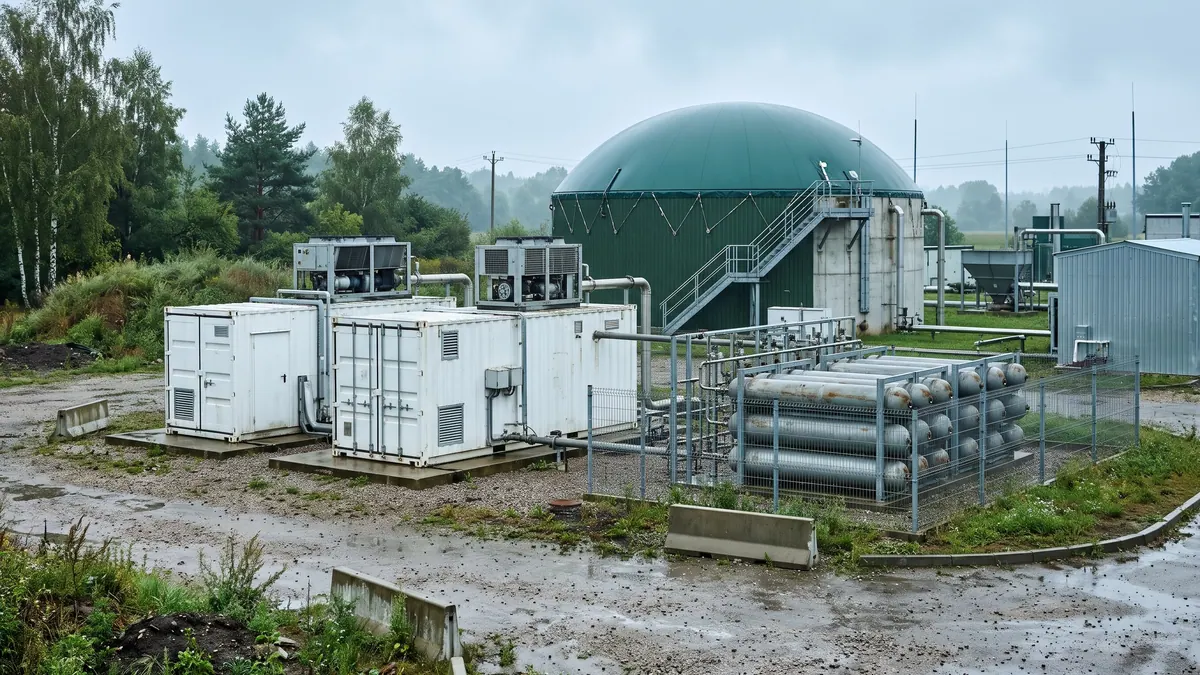
A biogas plant generating electricity from biogas can power an electrolyser. The hydrogen will then derive from energy from biomass: under EU rules it is considered a biomass fuel if the biogas meets the sustainability criteria. Alternatively, a biogas plant combined with a photovoltaic or wind farm can power the electrolyser with energy from those sources and obtain RFNBO status, provided the requirements of the Regulation are met. At the same time, hydrogen can be combined with biogenic CO₂ in a methanation process (see the article on power-to-gas).
Energy consumption
Water electrolysis requires energy: the theoretical minimum is about 39.4 kWh/kg H₂ (the value using the higher heating value) or 33.3 kWh/kg (according to the lower heating value), and in real systems, taking auxiliary equipment into account, consumption is usually 50–55 kWh/kg H₂. Example: a 1 MW electrolyser operating 4000 hours per year consumes 4000 MWh and at 52 kWh/kg produces about 77 t of H₂ per year (4,000,000 / 52 ≈ 76,900 kg). For comparison, the same energy in the form of biomethane (10 kWh/m³) would correspond to 400 thousand m³ of gas. The calculation illustrates the difference in the value of energy and the reasons why hydrogen is considered where it is indispensable.
Cost
The cost of hydrogen from electrolysis depends mainly on the price of electricity, the electrolyser's utilisation factor and the cost of capital. With a short operating time (e.g. only during renewable surpluses), the capital cost per kg rises. Conversely, with a high utilisation factor, the cost is dominated by the price of electricity. In analyses, the assumptions must always be stated: the energy price, operating hours, CAPEX, efficiency and settlement periods.
Significance for biogas plants
- A biogas plant can be a supplier of CO₂ for methanation with hydrogen.
- It can be a local consumer of hydrogen (e.g. to boost methane production).
- It can produce hydrogen from biomethane (reforming).
- It must ensure that the claims "green hydrogen" and "biohydrogen" are consistent with the definitions.
A note on marketing communication
In promotional materials the term "green hydrogen from biogas" is sometimes used. Before you use it, check whether it refers to hydrogen from electrolysis with electricity meeting the requirements for RFNBO, or to hydrogen from biomethane reforming, which is a biomass fuel. Precisely defining the category affects whether the product can count towards targets in industry or transport, what documents are needed and what GHG reduction requirements have to be met.
Summary
The distinction between RFNBO and biomass fuels is important in regulatory and commercial terms. Hydrogen from electrolysis does not become biohydrogen just because the electricity comes from biogas; it is hydrogen from electrolysis powered by energy from biomass, considered as a biomass fuel, and is subject to different requirements from RFNBO.
Sources
Related articles