Gas for Climate: gas decarbonisation pathways to 2050 and a proposal for 10% renewable gases in 2030
The Gas for Climate consortium published a Guidehouse study according to which biomethane and hydrogen in the existing infrastructure can reduce transition costs by more than EUR 200 billion per year.
Other language versions: polski.
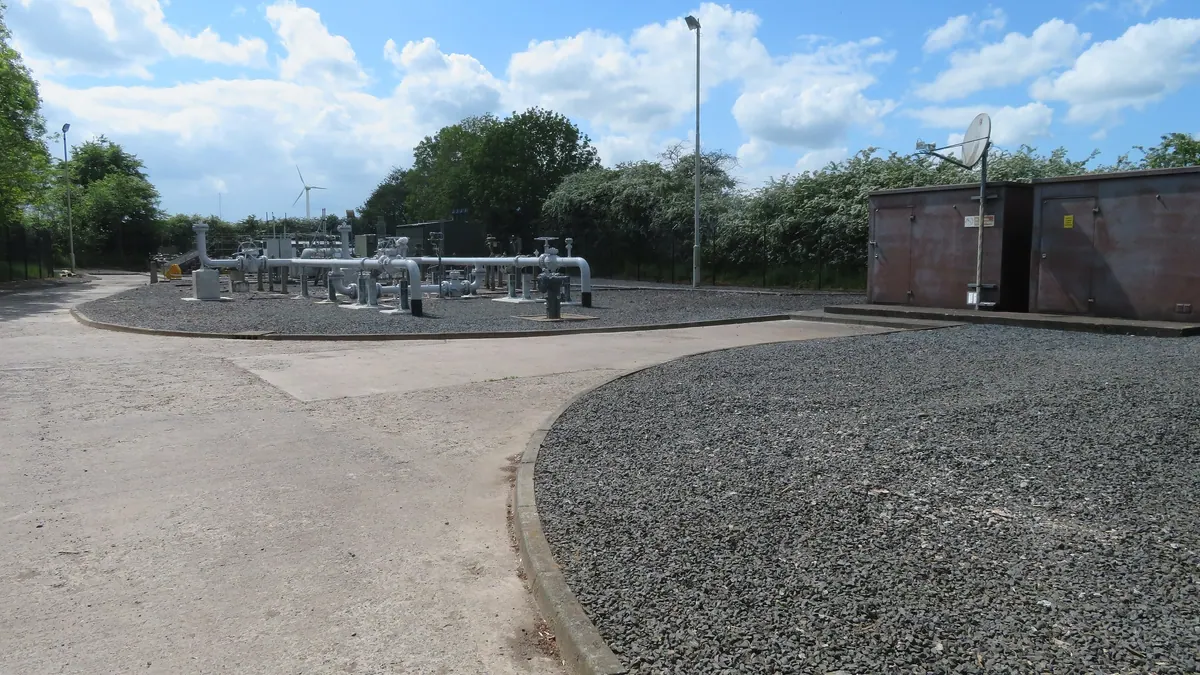

The Gas for Climate consortium published on 22 April 2020 the study "Gas Decarbonisation Pathways 2020–2050", prepared by Guidehouse (formerly Navigant). According to the authors, transporting large volumes of biomethane and green and blue hydrogen through the existing gas infrastructure is a cheaper route to climate neutrality than a system based on a minimal role for gas. The document contains a specific policy demand: a binding target of 10% renewable gases by 2030.
Key conclusions
The study assumes a pathway of a 55% emission reduction by 2030 and climate neutrality by 2050. The main theses:
- the role of infrastructure — about 2900 TWh of renewable gases, mainly biomethane and green hydrogen, could flow through existing gas pipelines in 2050;
- savings — using this potential would reduce the costs of the energy system by more than EUR 200 billion per year compared with a scenario of minimal gas use;
- sector integration — linking electricity, gas and heat networks gives the greatest benefits for the whole system;
- negative emissions — biomethane produced with CO₂ capture and storage (CCS) could deliver negative emissions;
- low-carbon hydrogen — blue hydrogen could accelerate decarbonisation in the initial phase.
Regulatory demands
The consortium proposed a binding target of 10% renewable gases in gas consumption by 2030, a strengthening of the EU emissions trading system, and time-limited contracts for difference that would increase demand for hydrogen and biomethane. It also recommended adapting the regulatory framework to the requirements of the infrastructure of the future, including enabling cross-border trade and clear rules for hydrogen transport.
Significance for biogas plants and biomethane
For biogas producers the important signal is that the gas sector sees biomethane as a lasting element of the mix, and not merely a transitional solution. The study, as a position of infrastructure operators, had a natural interest in maintaining gas networks, so its conclusions should be read with this context in mind. It is, however, consistent with the findings of other analyses, including the IEA report of March 2020, according to which biogas and biomethane are among the cheapest ways to decarbonise gas.
What next
The study appeared at a time when the European Commission was preparing the hydrogen strategy and the energy system integration strategy. The consortium's demands fitted into the debate on the role of decarbonised gases and on whether quantitative targets should be binding. The final shape of the rules depended on negotiations in the European Parliament and the Council.
Who the authors are
Gas for Climate is a consortium of European gas transmission system operators and organisations representing the renewable gas industry. The study was carried out by the consulting firm Guidehouse. It is not an independent regulatory body but a group of stakeholders, so the results should be compared with analyses by the European Commission, the International Energy Agency and trade organisations from other sectors, for example the power sector.
Sources
Related articles