BiomethaneEvent
France adopts the PPE: 14–22 TWh of biomethane injected into the grid in 2028
Decree 2020-456 of 21 April 2020 set the French multiannual energy programme. The target for injected biomethane: 6 TWh in 2023 and 14–22 TWh in 2028.
Other language versions: polski.
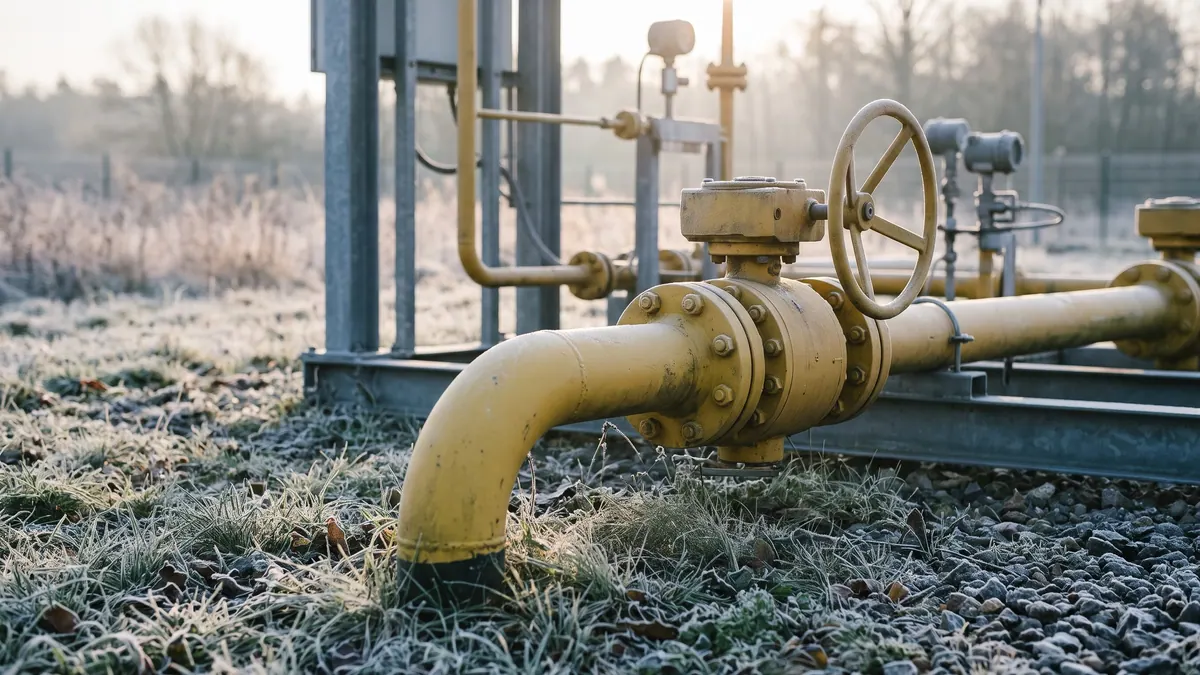
French Decree No. 2020-456 of 21 April 2020, published on 23 April, adopted the multiannual energy programme (PPE) covering the periods 2019–2023 and 2024–2028. For biomethane this meant setting a path: 6 TWh injected into the grid in 2023 and 14–22 TWh in 2028, depending on the extent to which production costs can be reduced.
What the programme contains
The PPE is the basic energy planning document in France. The 2020 update changed the earlier assumptions: the target for 2023 was lowered to 6 TWh from the previously planned 8 TWh. The range of 14–22 TWh for 2028 is clearly a spread — the higher values depend on cost reductions and on support policy. Total biogas production was planned at 24–32 TWh in 2028, of which 14–22 TWh as biomethane entering the grid. The programme therefore sets only a framework; the level of support for individual installations, including guaranteed tariffs, is determined by separate regulations and tender procedures.
Why this matters
In 2020 France was one of the fastest-developing biomethane markets in Europe. According to a 2020 report of the REGATRACE project, biomethane production in France was around 1.2 TWh. A system based on guaranteed tariffs and simplified grid connection favoured agricultural installations injecting gas into the distribution network.
What follows for Poland
In Poland in 2020 there were not yet any rules for biomethane injected into the grid, and the industry was only starting talks with the government. French experience showed that market development requires three elements: clear quantitative targets, stable support mechanisms and simplified grid connection procedures.
What next
The French PPE was subject to further adjustments. What mattered for the industry was not only how much biomethane was planned, but also whether the state would ensure funding for a programme in which part of the support was moving from tariffs to certificates. This way of thinking — combining volume targets with a market obligation on suppliers — was one of the models considered in other states as well.
How support works in France
Support for injected biomethane in France was based on multiannual guaranteed tariffs. Gas network operators, including GRDF, cooperated with producers on connecting installations that met the technical conditions. Grid connection and the rules for sharing the costs of network expansion were in practice one of the key factors in the pace of market development, because they reduced investment risk for farmers and local companies.
Why targets change
The target for 2023 was lowered because the pace of growth in installations and production costs did not keep up with the earlier assumptions. This is a typical example of what biomethane market planning looks like: volume targets are adjusted as technology advances, financing becomes available and the pace of obtaining permits changes. For investors, the transparency of these adjustments and the stability of support mechanisms despite changes in targets are important.
Sources
Related articles