BiohydrogenEvent
Egypt announced a National Low-Carbon Hydrogen Strategy: the target is about USD 18 billion of GDP by 2040
On 15 August 2024 the Egyptian government announced a National Low-Carbon Hydrogen Strategy, which is to add about USD 18 billion to GDP and create more than 100 thousand jobs by 2040.
Other language versions: polski.
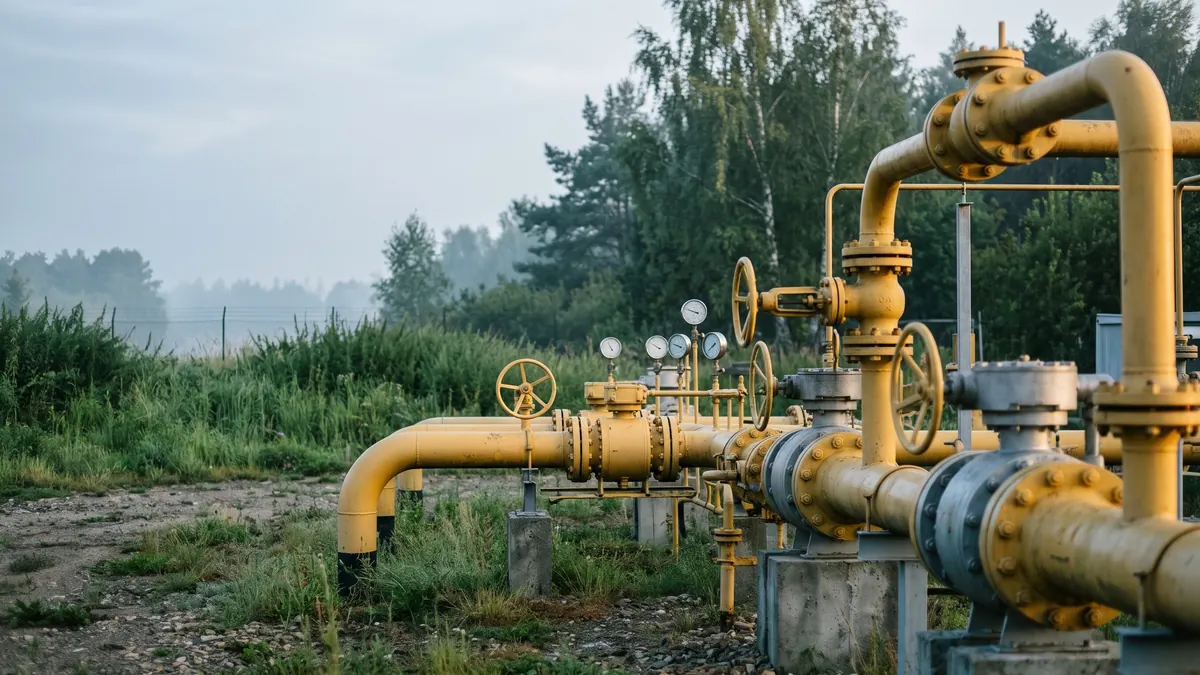
On 15 August 2024 the Egyptian government announced the National Low-Carbon Hydrogen Strategy, which according to official estimates is to add about USD 18 billion to GDP by 2040 and create more than 100 thousand jobs. The document had been approved earlier: according to the Baker McKenzie register, Prime Minister Mostafa Madbouly approved the strategy in November 2023 at a meeting with the National Council for Green Hydrogen, and the Supreme Council of Energy, chaired by him, approved it on 27 February 2024.
What the strategy assumes
According to the cabinet statement, cited by Egypt Today and Enterprise, the strategy is to position Egypt as a global hub for low-carbon hydrogen and its derivatives (above all green ammonia), with a target share of 5–8% of the global green hydrogen market; a more optimistic scenario assumes investment of the order of USD 60 billion and about 8% of the market. Implementation is monitored by the National Council for Green Hydrogen and Derivatives, established in 2023. The strategy was prepared in cooperation with, among others, the European Bank for Reconstruction and Development (EBRD). The data on GDP and jobs are government forecasts.
Projects at Ain Sokhna and Port Said
The first visible stage was the signing, on 25 August 2022, of seven memoranda on green hydrogen production complexes in the Ain Sokhna industrial zone, part of the Suez Canal Economic Zone (SCZONE). In February 2024, according to the Baker McKenzie register, a further seven memoranda were signed with foreign companies for projects in SCZONE, worth about USD 12 billion in the pilot phase and about USD 29 billion in the first phases (up to about USD 40 billion in total over 10 years). At the end of June 2024, at the Egypt–EU investment conference, the Sovereign Fund of Egypt (TSFE) and SCZONE signed four agreements with European developers worth about USD 33 billion, concerning green ammonia projects in East Port Said and Sokhna. Egypt Today also mentions a project worth EUR 24 billion (including EUR 3 billion in the first phase) at Gargoub west of Marsa Matruh. It is not known how many of these agreements will be implemented: from a memorandum or framework agreement to a decision to build is a long way.
Hydrogen and biogas
The strategy concerns hydrogen from electrolysis and from natural gas with CO₂ capture, so it is not a biohydrogen strategy. For the biogas industry, however, the context of competition and complementarity is important: Egypt is at the same time developing waste-to-energy (Law No. 202/2020 and the waste-to-energy tariff, see Egypt adopted a waste management law). We describe the differences between hydrogen from electrolysis and hydrogen from biomass in the article Biohydrogen: what it really means and what the production pathways are.
What to watch
- whether the projects obtain financing and offtake contracts with customers in the EU,
- the availability of cheap renewable energy and water for electrolysers,
- customs regulations and EU requirements for renewable fuels of non-biological origin,
- the pace of construction of port and transmission infrastructure.
Sources
- Supreme Council of Energy Approves the National Strategy for Low-Carbon Hydrogen — Egypt Oil & Gas (28.02.2024)
- Hydrogen Strategy expected to boost Egypt's GDP to around $18 billion by 2040: Cabinet — Egypt Today
- Hydrogen developments in Egypt — Baker McKenzie hydrogen heat map
- Cabinet unveils plan to produce and export green hydrogen — Enterprise
Questions and answers
Is the hydrogen in Egypt's strategy "biohydrogen"?
No. The strategy mainly concerns low-carbon hydrogen (green from electrolysis and blue), not hydrogen from biomass or biogas.
Related articles