The Commission presents the EU strategy for reducing methane emissions
Communication COM(2020) 663 announces rules for the energy sector, a plan for agriculture and waste, and an International Methane Emissions Observatory. Biogas and biomethane are identified as a way of reducing emissions.
Other language versions: polski.

On 14 October 2020 the European Commission presented the EU strategy to reduce methane emissions (COM(2020) 663). It is the first comprehensive EU document devoted to this gas. Methane accounts for about 10% of greenhouse gas emissions in the EU, and the main sources are agriculture, waste management and energy. The strategy announces rules and incentives for each of these sectors.
Four areas of action
The strategy covers both national and international action:
- Energy — the Commission announced a legislative proposal on mandatory measurement, reporting and verification of emissions (MRV) and on leak detection and repair (LDAR), as well as consideration of limits on flaring and venting of gas.
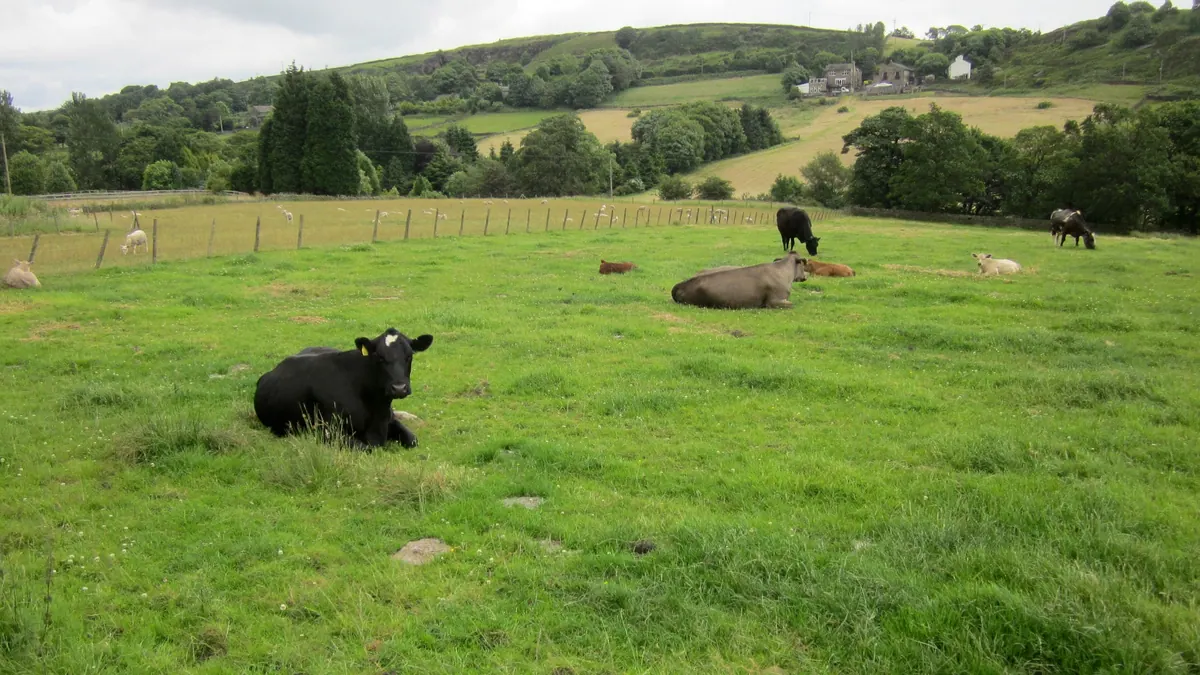
- Agriculture — use of the common agricultural policy, development of sustainable livestock farming, feed additives and the production of biogas from manure.
- Waste — limiting the landfilling of biodegradable waste, separate collection of biowaste, capture and use of landfill gas.
- International context — establishing the International Methane Emissions Observatory (IMEO) and cooperation with partners on reducing emissions from imported fossil fuels.
Biogas and biomethane in the strategy
The Commission presents biogas and biomethane as a way of simultaneously reducing methane emissions and producing renewable energy. Methane fermentation of manure, slurry and biowaste prevents uncontrolled emissions from storage and decomposition, and the gas produced replaces fossil fuels. The strategy announces the removal of barriers to the development of biogas and biomethane, including easier grid connection and support for research on technologies.
Significance for Poland
Poland is one of the most interested states: agriculture and hard coal mining are significant sources of methane. The announced rules for the energy sector were also to cover the import of fossil fuels. For agricultural biogas plants the strategy was a confirmation of the direction of policy, but specific financial instruments were still lacking. In the same week the government signed a national letter of intent with the biogas industry, and the Commission presented its assessment of national energy and climate plans.
What next
Legislative proposals on methane in energy were to be presented in 2021. The European Parliament and the Member States were to set out their positions on the strategy. For the biogas industry it was important whether the strategy would translate into stable support for installations reducing emissions from agriculture and waste.
How to measure methane
Methane emissions are difficult to measure accurately because they come from many dispersed sources: the rumens of animals, manure stores, landfills, mines and network leaks. The strategy therefore puts emphasis on harmonised measurement methods and reporting, as well as on the use of satellite data. For biogas plant operators this means that checks on the tightness of the installation, measurements of emissions from digestate stores and documentation of gas losses will in time become the standard.
Significance of the strategy for farmers
For farmers the strategy introduces no new obligations, but the direction is clear: taking methane emissions into account in agricultural policy and encouraging practices that reduce emissions from livestock farming. Among such practices is the fermentation of natural fertilisers in a biogas plant, which gives a double benefit: lower emissions and additional income from selling energy or biomethane.
Sources
Questions and answers
Why is methane important for the climate?
Methane is a greenhouse gas with a much higher warming potential than CO₂ over a short time horizon, but it persists in the atmosphere for a shorter time. Limiting it quickly slows the rate of warming.
Related articles