Law and regulationEvent
The connection act (UC84): benefits for biogas plants and a dispute with the RES industry
The Ministry of Energy and the Ministry of Agriculture argue that draft UC84 will improve the situation of biogas plants: 60 days to assess an application, priority of operation during grid emergencies and reimbursement of expansion costs. Work has stalled in the Sejm.
Other language versions: polski.
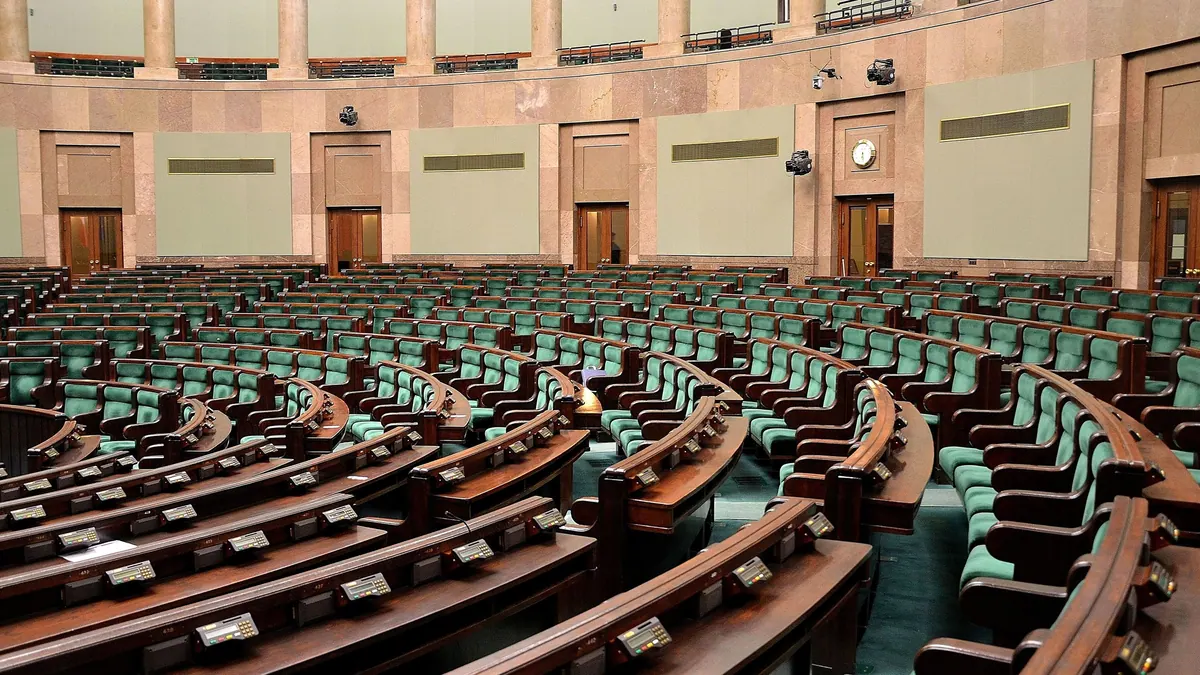

The Ministry of Energy and the Ministry of Agriculture and Rural Development presented on 30 January 2026 the benefits that draft UC84 would bring for biogas plants – an amendment to the Energy Law (Prawo energetyczne) that speeds up connection procedures, known as the connection act. The draft is controversial for the wider RES (renewable energy sources) industry, but for biogas it contains solutions the sector has sought for years.
Solutions for biogas plants
According to the ministries, the draft provides, among other things, for:
- 60 days for the operator to confirm that a connection application is complete or to call for it to be supplemented,
- an operating schedule: installations with an approved schedule would not need a grid impact assessment, and from March to September could feed in energy with guaranteed capacity for at least 14 hours a day (at present overloads and voltage fluctuations restrict production, although biogas plants can operate around the clock),
- disconnection last in situations where grid security is threatened,
- an obligation to take biogas plants into account in grid development plans,
- where a connection is refused for lack of capacity – an obligation to conclude a connection agreement, update the plan and indicate a date for delivering the investment,
- reimbursement of the difference between the agreed connection cost and the standard fee, if the investor pays for grid expansion,
- report templates for biogas and biomethane producers prepared by the President of the Energy Regulatory Office (URE).
The Minister of Energy Miłosz Motyka called these changes an impulse for the development of biogas, and the Minister of Agriculture Stefan Krajewski stressed that biogas plants can operate up to 8,000 hours a year (about 90% of the time), manage agricultural and processing waste and supply digestate as a substitute for mineral fertilisers.
The dispute
The draft has stalled in the Sejm. Committees suspended work so that the government could agree solutions with the RES industry. The sector opposes the transitional provisions, which would force investors to start investment procedures very quickly on pain of expiry of the connection agreement, higher advance payments for connection conditions and a new fee for processing applications.
Significance for the industry in Poland
For biogas plants the most important issue is connections: according to the industry, a significant share of applications have been rejected for lack of grid capacity. The provision on the obligation to conclude an agreement and indicate an investment date, and priority in grid planning, change the logic of relations with operators. In turn, an operating schedule with guaranteed capacity may improve utilisation of installations in the season when the grid is loaded by photovoltaics.
What to watch
The article does not give a date of entry into force. Until the draft is passed, these are proposals. Investors should allow for the possibility of changes during parliamentary work, including compromises on transitional periods.
Sources
Related articles