Law and regulationAnalysis
EU regulations on organic waste: what they mean for biogas plants
Directives 2018/851 and 2018/850, RED III and the REPowerEU plan shape the market for biowaste and biomethane. An overview of obligations, deadlines and the impact on Polish operators.
Other language versions: polski.


EU waste and renewable energy legislation creates a favourable environment for biogas plants: Directive 2018/851 imposes an obligation of separate collection of biowaste or its recycling at source, Directive 2018/850 limits landfilling, and RED III and the REPowerEU plan strengthen demand for biogas and biomethane. This does not, however, mean automatic benefits: the final effects depend on national transposition, the quality of collection and the availability of plants.
Separate collection of biowaste
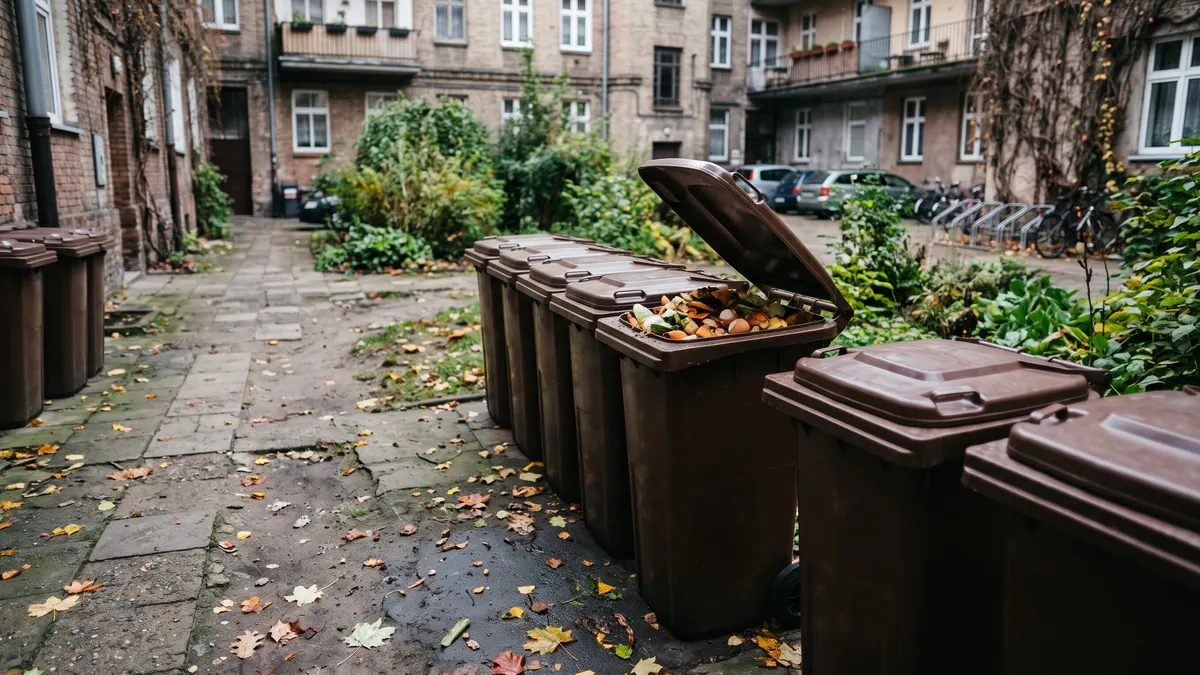
The amended Waste Framework Directive (2008/98/EC, amended by Directive 2018/851) requires Member States to ensure by 31 December 2023 the separate collection of biowaste or its recycling at source (e.g. home composting). Separate collection creates an organised stream of substrates for biogas plants and composting plants. In Poland the obligations of municipalities and residents are described in the entry Separate collection of biowaste in municipalities. An important caveat: the quality of separately collected biowaste (contaminants, packaging) decides whether it is suitable for digestion; depackaging helps, but is a quality compromise.
Recycling targets and limiting landfilling
Directive 2008/98/EC as amended sets levels of preparation for re-use and recycling of municipal waste: 55% by 2025, 60% by 2030 and 65% by 2035. Directive 2018/850 on landfilling limits the landfilling of municipal waste to 10% by 2035 and bans the landfilling of waste suitable for recycling or recovery from 2030, with exceptions. Digestion and composting of biowaste are recognised as organic recycling if quality requirements are met. A comparison of the targets with Eurostat data is presented in the entry Recycling and landfilling levels for municipal waste. Landfill charges are rising, which changes the economics: the upper unit charge for 2025 was PLN 418.03 per Mg, but the final rates depend on the waste code (how rates steer waste streams).
RED III and REPowerEU
Directive (EU) 2023/2413 (RED III) entered into force on 20 November 2023 and sets an EU target of at least 42.5% energy from renewable sources in final energy consumption by 2030, with an additional effort up to 45% (indicative target 2.5 pp). The transposition deadline for most provisions expired on 21 May 2025 (see RED III has entered into force and The transposition deadline has passed). The REPowerEU plan from 2022 assumed an increase in biomethane production to 35 billion m³ a year by 2030 (compared with several billion m³ in 2022); the state of implementation is discussed in the entry The European biomethane market according to EBA.
What this means for Polish operators
- New substrate streams, but of variable quality; depackaging and contaminant control are needed (Depackaging).
- Different legal paths for agricultural biogas (the list of substrates, regulation of 12 October 2023) and waste plants (permits, Waste Database (BDO)).
- Digestate can be a fertiliser or waste; the status depends on the substrates and the procedure (Digestate: fertiliser or waste?).
- Biomethane: further acts (RED III, the gas market, certification) shape demand; in Poland the direction is described in the entry RED III: what it changes for biogas and biomethane.
How to prepare
- Follow national transposition and changes to the Act on Renewable Energy Sources (ustawa o OZE) and the Waste Act.
- Diversify substrate suppliers, taking into account agreements with municipalities and waste companies.
- Consider the biomethane option if the location allows grid connection or distribution (choice: CHP or biomethane).
- Take care of certification and documentation of origin when you plan to sell as a renewable fuel.
Sources
Questions and answers
Do biogas plants count towards waste recycling?
Anaerobic digestion of separately collected biowaste, with the digestate used as a fertiliser or soil improver, can be recognised as organic recycling, provided that quality requirements are met.
Related articles