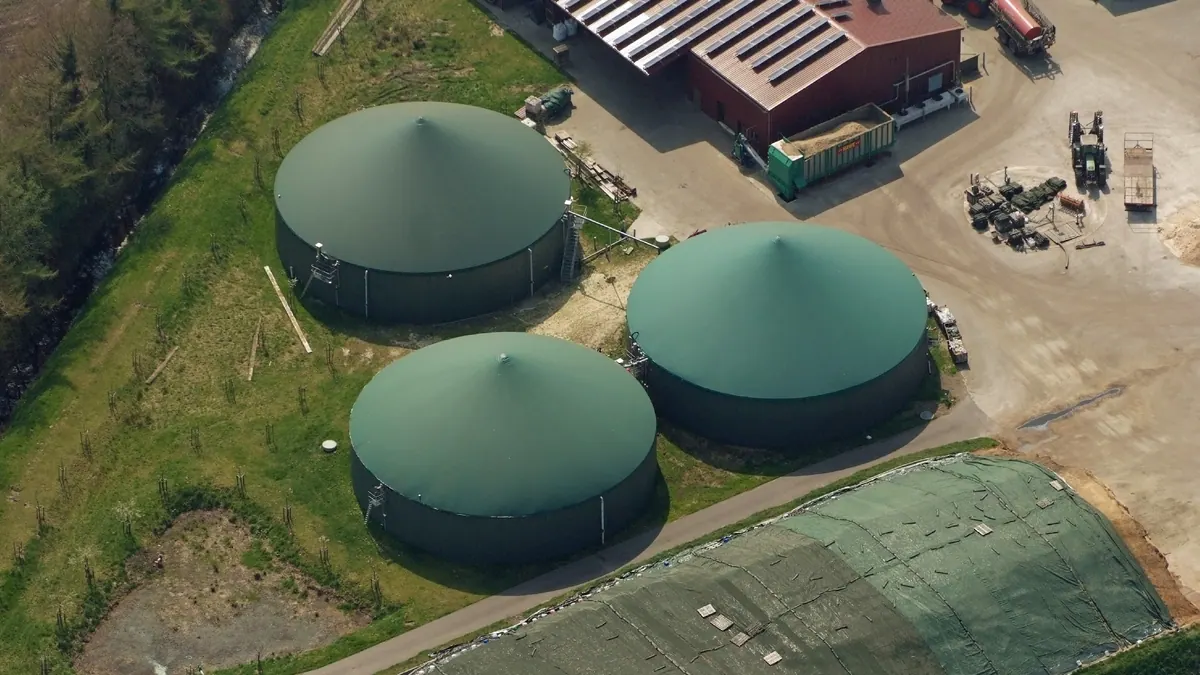
The European Commission approves a EUR 1.7 billion Danish renewable gas support scheme
On 18 December 2024 the European Commission approved a large aid scheme for producers of upgraded biogas and e-methane in Denmark: a 20-year premium, five tender rounds in 2024–2030, 7.9 PJ a year.
Other language versions: polski.
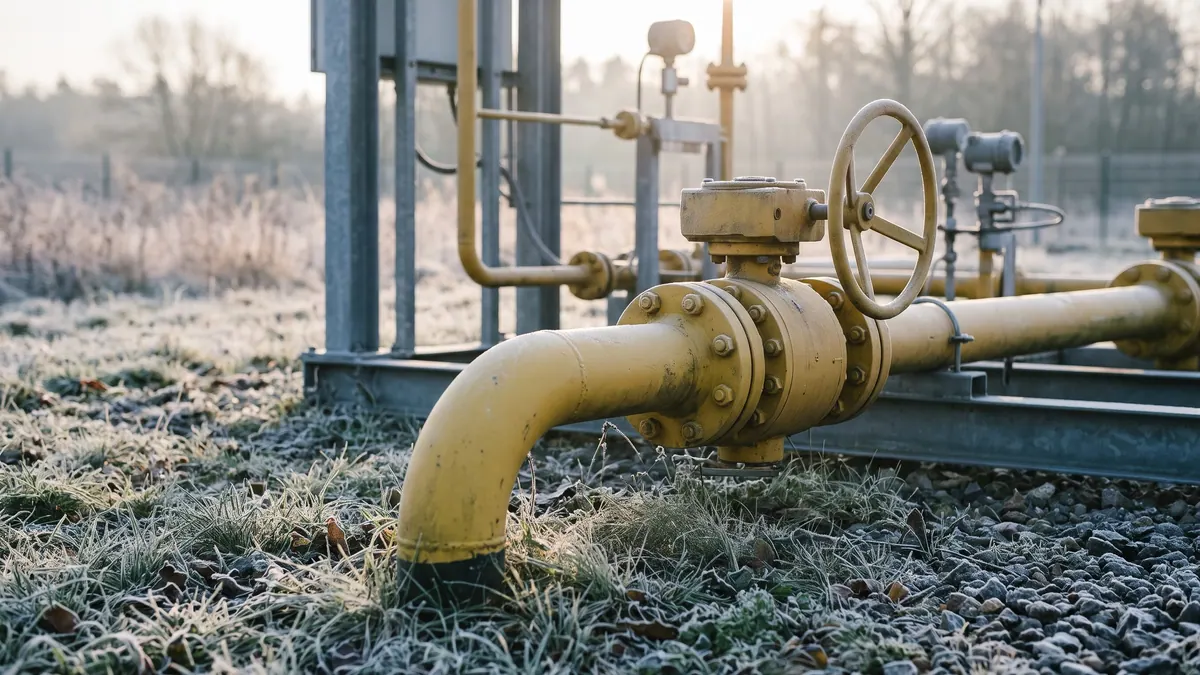
The European Commission approved on 18 December 2024, under EU State aid rules, a Danish support scheme for producers of upgraded biogas (biomethane) and e-methane with an estimated value of EUR 1.7 billion (about DKK 13 billion). The Danes, who already had a very large share of biogas in the gas grid, are looking for a model for the next phase of growth without dependence on the old tariffs.
How the scheme is built
The support applies to new installations and the expansion of existing ones. The aid takes the form of a premium per gigajoule of renewable gas produced, paid above the market price of natural gas for 20 years. Beneficiaries are selected in tenders in which bidders compete on the size of the premium needed for the project to be bankable. According to the announcement, five tender rounds are planned in 2024–2030. Biogas plants are to connect to the grid within three years of the aid being granted. The premium was not given numerically.
The environmental conditions are clear: biogas plants must meet the sustainability and GHG emission-reduction criteria of the Renewable Energy Directive (RED III), and e-methane installations the criteria for renewable fuels of non-biological origin (RFNBO) from the delegated acts on hydrogen. Denmark expects production of about 7.9 PJ of renewable gas a year and an emission reduction of about 450,000 tonnes of CO₂ a year from 2033.
Why this matters
A tender for the size of the premium is a solution on the border between an auction and a contract for difference: the state pays only as much as results from competition, and the producer receives predictable revenue. For the Commission it is important that the scheme contains mechanisms against overcompensation. Combining biogas and e-methane in one scheme signals that biogenic CO₂ from upgrading can be a feedstock for synthesising methane from hydrogen.
Significance for the industry in Poland
Poland is working on auctions with contracts for difference for biomethane above 1 MW. The Danish example shows several solutions that may serve as a reference point: tender rounds spread over time (instead of a one-off call), a requirement to connect to the grid by a set deadline (which limits the "freezing" of capacity), and a link to the RED III criteria. Polish investors should pay attention to the deadline: the requirement of three years from the award of aid is rather short given Polish connection conditions.
What next
The first tender rounds in Denmark were to decide what premium is needed for development. In the Polish context, for auction organisers and the Energy Regulatory Office (URE) it will be important to set reference prices in three capacity ranges, so that price rigidity does not block projects.
Sources
Related articles