Law and regulationEvent
European Commission investigates Swedish tax exemptions for biogas and biopropane
On 30 January 2024 the European Commission opened an in-depth investigation into two Swedish schemes exempting non-food biogas and biopropane from energy and carbon taxes.
Other language versions: polski.
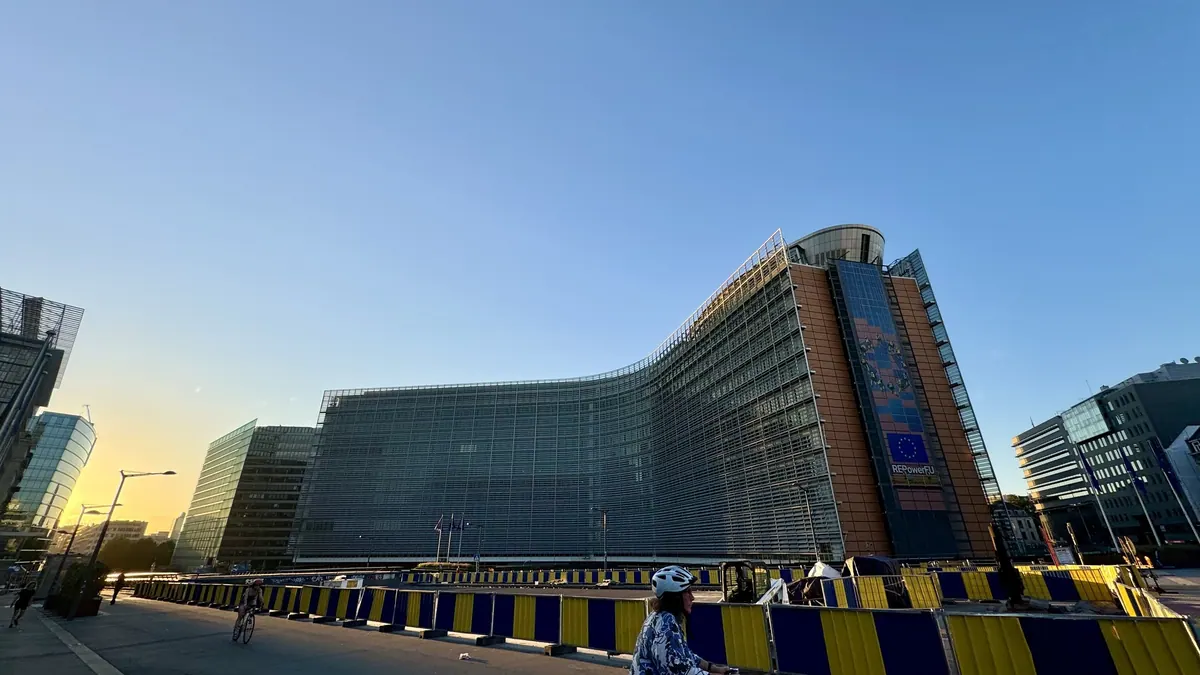

On 30 January 2024 the European Commission opened an in-depth investigation into two Swedish tax exemption schemes for non-food biogas and biopropane. The case concerns how far a Member State may exempt renewable fuels from taxes when producers simultaneously benefit from support in other countries.
What is happening
Sweden applies exemptions from energy tax and carbon tax for biogas and biopropane produced from non-food feedstocks. The mechanisms operate in two areas: heat generation and motor fuels. The exemptions cover both domestic product and product imported from other EU countries.
The Commission originally approved these schemes in 2020 without a formal investigation. In December 2022 the General Court of the European Union annulled both decisions on procedural grounds. The Court held that the Commission should have opened an investigation and examined whether the exemptions, combined with support granted by other countries (including Denmark), give biogas producers overcompensation. The January 2024 decision is therefore the implementation of that judgment.
Why this matters for the market
Biogas and biomethane are supported in Europe in very different ways: price subsidies (tariffs, premiums, contracts for difference), investment grants, tax exemptions and blending obligations. When these mechanisms overlap across countries and gas flows across borders, there is a risk that one unit of energy is supported twice. State aid control authorities therefore assess not only an individual scheme but also its cumulative effect.
Significance for the industry in Poland
In Poland in 2024, biomethane support was only being built: an FIP premium applied to installations up to 1 MW, and the government announced auctions and contracts for difference for larger ones. The Swedish case is a reminder that every national mechanism must be designed with State aid rules and the principle of no overcompensation in mind. This also applies to the cumulation of an investment grant from the National Fund for Environmental Protection and Water Management (NFOŚiGW) with later operating support, where a cumulation rule is needed.
For biomethane exporters, e.g. from the Baltic countries or Ukraine, it is also important that gas sold in another country may be subject to a double-support check.
What next
The investigation will end with a final decision by the Commission, but no date was given. Until then the exemptions apply, and producers and buyers should take into account the risk that the assessment will be changed. What will matter for the market is how the Commission calculates cumulative support: tax exemptions, subsidies in other countries and allowance prices. The outcome of the investigation may become a reference point for similar schemes in other countries.
How to read such decisions
An investigation does not yet mean that a scheme is incompatible with the internal market. It is a stage at which the Commission collects comments from Member States and interested parties and verifies data on production costs and the scale of support. For an investor, what counts above all is predictability: the consequences of a possible negative decision would depend on its content, including the Commission's ruling on whether the exemptions continue to apply. In practice, such cases set a standard for documenting costs and revenues, which will in future also be applied to other countries.
Sources
Related articles