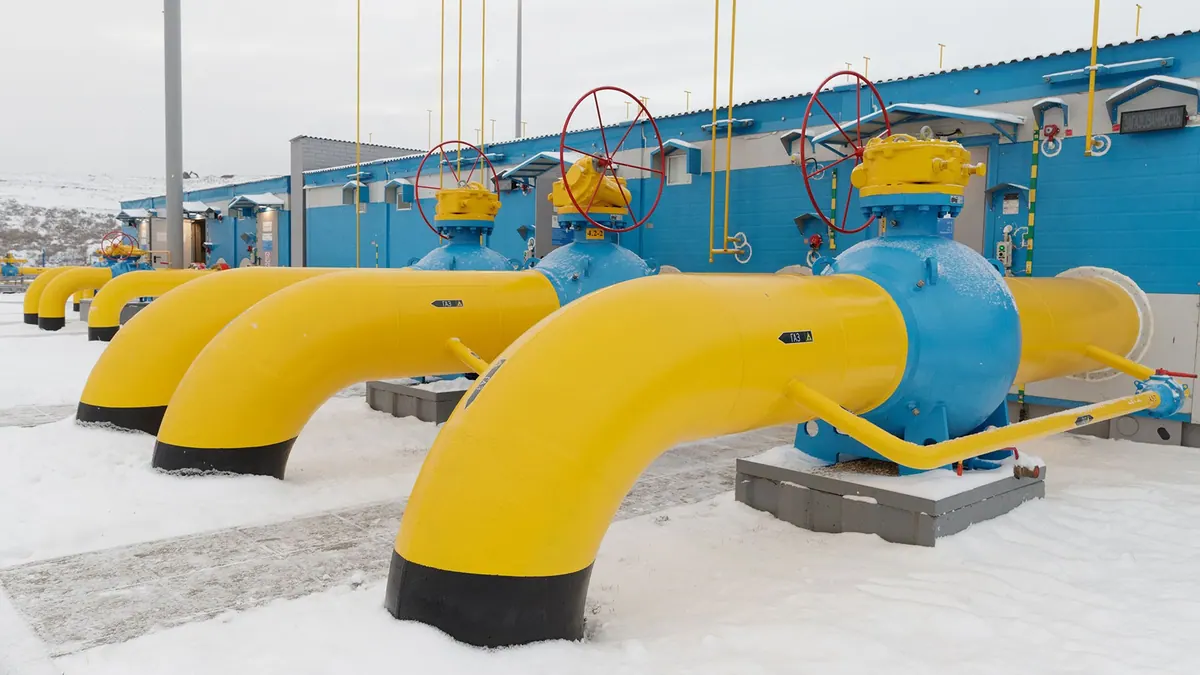
Record gas prices in Europe: TTF above €100/MWh, and biomethane becomes competitive
On 6 October 2021 gas prices at the Dutch TTF hub reached record levels – over €114/MWh on the day-ahead market, and in intraday futures trading as much as about €155. This changes the economics of biomethane projects.
Other language versions: polski.
Natural gas prices in Europe reached record levels on 6 October 2021. In intraday trading of the November contract at the Dutch TTF hub the price reached about €155/MWh, and the day-ahead price exceeded €114/MWh. The day before, on 5 October, the contract set a record of about €108/MWh. The rise within a single session exceeded 25%.
What happened
News agency reports pointed to several factors at once: low gas storage levels ahead of winter, high demand, including in Asia, limited supplies, and weak winds, which reduced output from wind farms and increased demand for gas. The price recorded during the day differed depending on the type of contract and the hour, which is why different values appeared in reports; all of them, however, point to the exceptional scale of the phenomenon.
Consequences for consumers
Higher gas prices feed through into electricity and heat prices and, in industry, into production costs, in particular for nitrogen fertilisers, for which gas is the basic raw material. Consumers in Poland felt this in rising bills, and the government and the European Commission began to consider mitigating measures (which we describe in a separate entry).
Consequences for biogas and biomethane
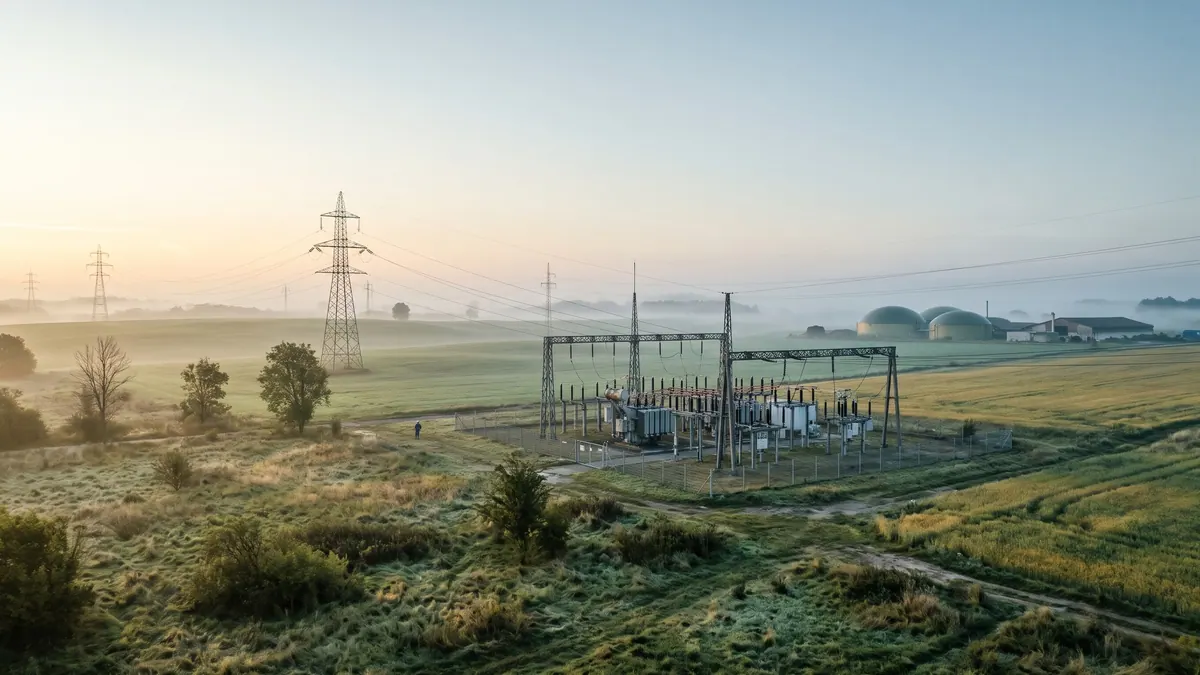
For biomethane projects, gas prices at the level of €100/MWh mean a different profitability calculation. According to the IEA report of March 2020, the average cost of producing biomethane was about USD 19/MBtu (after conversion, about €55–60/MWh), plus the cost of grid connection. With market gas prices close to €100/MWh, the cost gap between biomethane and natural gas narrows and in some cases disappears. This is an argument for building upgrading and injection installations, but also a warning: gas prices are volatile, and biomethane investments have a horizon of well over ten years.
Higher gas prices also increase the revenue of cogeneration biogas plants that sell electricity at market prices, and the interest in local heat from biogas.
Biogas plants and fertilisers
Gas price rises have another agricultural dimension. More expensive nitrogen fertilisers make farmers value organic fertilisers more, including digestate. For biogas plants this may mean better sales of digestate or a greater willingness among farms to take it.
What next
The European Commission announced that in the coming days it would present a toolbox for mitigating the effects of the price rises. In the longer term, the crisis strengthened the arguments for diversifying sources, developing local renewable gas and faster investment in renewable energy sources.
A caveat on the figures
The price levels given come from news agency reports and industry sites. They differ depending on the type of contract (month-ahead, day-ahead), on the time of the quotation, and on whether intraday quotations or closing prices are meant. For this reason, in comparative studies it is always worth checking which series a given figure refers to.
Sources
Related articles