TEG final report on the EU taxonomy: criteria for biogas and biowaste digestion
On 9 March 2020 the TEG expert group published its final report on the EU taxonomy of sustainable investment. It covers criteria for biogas production and the digestion of biowaste and sewage sludge.
Other language versions: polski.
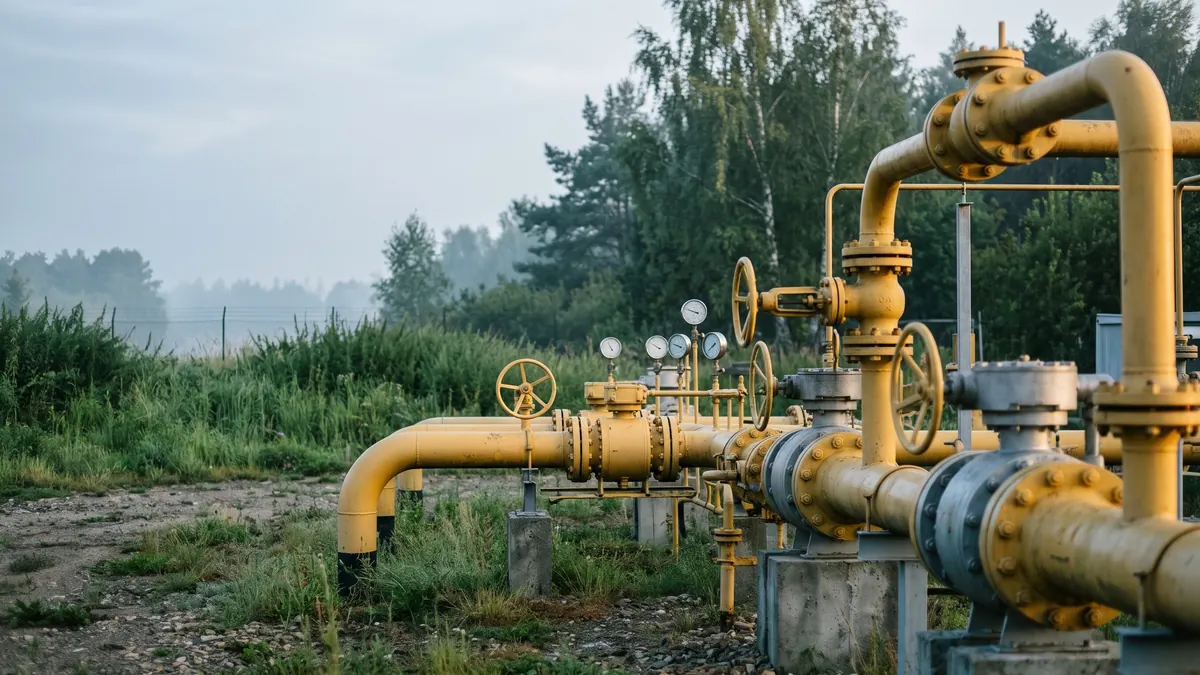
The Technical Expert Group on Sustainable Finance (TEG) published on 9 March 2020 its final report on the EU taxonomy, and on 12 March it was presented at a meeting with stakeholders. The document contains technical screening criteria for assessing which types of economic activity can be considered to make a substantial contribution to climate change mitigation. For the biogas industry, it is the first complete list of conditions an installation must meet in order to join the group of "green" investments.
What the taxonomy is
The EU taxonomy is a classification system intended to show investors which activities are environmentally sustainable. The framework regulation on this subject was then in the final phase of the legislative process, and the TEG report was to supply the detailed technical criteria. The report replaced the earlier outputs of the experts from December 2018 and June 2019 and also contained recommendations on the use of the taxonomy by companies and financial institutions, as well as supporting material for green bond issuers.
What it means for biogas and waste
Among the activities covered by the report's criteria were those of direct relevance to our compendium:
- generation of electricity and heat from bioenergy, including from biogas;
- production of biogas and biofuels for transport;
- anaerobic digestion of biowaste and sewage sludge;
- composting of biowaste.
The criteria combine requirements for reducing life-cycle greenhouse gas emissions with requirements concerning feedstocks — for agricultural feedstocks they refer to the sustainability rules of the Renewable Energy Directive. For the digestion of biowaste, separate collection, limiting methane leaks and the management of digestate are important, among other things.
Significance for investors
For owners of biogas plants and biomethane projects, the taxonomy means above all easier access to financing. Banks and funds that commit to reporting the share of "green" assets will choose projects that comply with the criteria. An installation that can document emission reductions, tracking of methane leaks and a proper way of managing digestate has a better negotiating position.
The report also has limitations, however. The criteria were still to be turned into delegated acts of the Commission, and many details could change. Disputed issues also remained concerning the role of natural gas and waste incineration, which would be settled in the following months.
What next
The Commission was to prepare delegated acts to the framework regulation on the basis of the report. Interested parties should follow their content, because it, and not the experts' report, will determine the final eligibility criteria.
A tip for installation owners
Already at this stage it is worth starting to collect the data that will be needed in future to demonstrate compliance: the mass and energy balance, the origin of feedstocks, the size of life-cycle emissions, a leak control plan and the way digestate is managed. Installations that have this described in their operating documentation will find it much easier to pass verification by a bank or institutional investor.
Sources
Related articles