BiomethaneEvent
TGE and PGNiG want to build the biomethane market: certificates and guarantees of origin
The Polish Power Exchange (TGE) and the Polish Oil and Gas Company (PGNiG) signed a cooperation agreement on building a biomethane market. The first stage is to use the register of certificates of origin and the system of guarantees of origin.
Other language versions: polski.
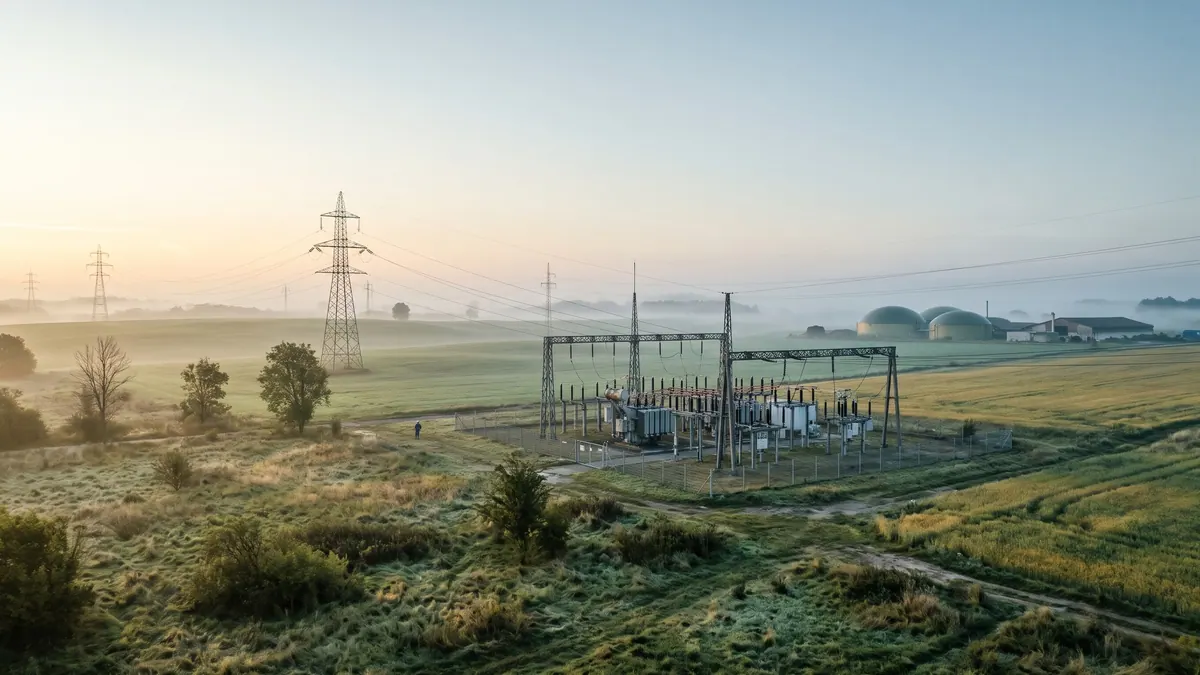
The Polish Power Exchange (Towarowa Giełda Energii, TGE) and the Polish Oil and Gas Company (PGNiG) concluded a cooperation agreement on 13 January 2021, the aim of which is to build a biomethane market in Poland. The companies want to combine PGNiG's experience as a major participant in the gas market with TGE's role as a platform for trading gas and certificates of origin. The document specifies neither capacities nor volumes, but a direction: creating mechanisms that will make it possible to trade biomethane and confirm its origin.
What the first stage assumes
The first stage of cooperation covers two areas:
- certificates of origin – using TGE's experience in maintaining the register of certificates of origin as a possible basis for a certificate-based support system;
- guarantees of origin – using the TGE guarantees of origin system as a tool that could serve to meet the National Indicative Target (NCW), i.e. the obligation for a share of renewable fuels in the transport sector.
Both tools come from the electricity market, where for years they have served to confirm that energy was generated from renewable sources. Transferring them to the gas market requires rules that will define biomethane, the way guarantees are issued, the relationships between the systems, and the rules for counting biomethane towards RES targets in transport.
Why certificates matter
Biomethane injected into the gas grid mixes with natural gas, so it is physically impossible to tell apart. Its "greenness" must therefore be confirmed by a document – a guarantee or certificate – that can be transferred independently of the physical flow of gas. This allows a producer in one region to sell the environmental attribute to a customer in another, and the customer to meet its obligations.
In Western European countries, registers of this type have operated for years and form the basis of biomethane trading. In Poland in January 2021 there were not yet any rules introducing such a system.
Significance for the market
For biogas producers considering a switch to biomethane, this is an important institutional signal: potential market infrastructure appears, along with a partner with a strong position in the gas market. For investors – a sign that the government and gas companies are considering a system based on a register and trading of certificates, rather than solely on tariffs. However, it is not clear which support mechanism will be chosen or what costs the end customer will bear.
What next
The agreement was part of broader talks held after the October letter of intent between the government and the industry. The specific shape of the market was to depend on the regulations being prepared by the Ministry of Climate and on decisions concerning support. Until then, the market remained at the preparation stage.
Limits of the agreement
An agreement between companies does not replace an act of law. A system of certificates or guarantees of origin requires a legal basis, designation of the body issuing the documents, a method of settlement and possible penalties. Until the rules are adopted, it is a declaration of readiness by market institutions to work out technical solutions, not a working mechanism.
Sources
Related articles