BiogasEvent
ADBA: hundreds of small biogas plants in the UK will close by 2031
The British Anaerobic Digestion and Bioresources Association (ADBA) has warned that after FiT and ROC support expires, hundreds of small biogas plants will cease operation by 2031. More than 160 installations will lose support within five years, and more than 400 in the following five.
Other language versions: polski.
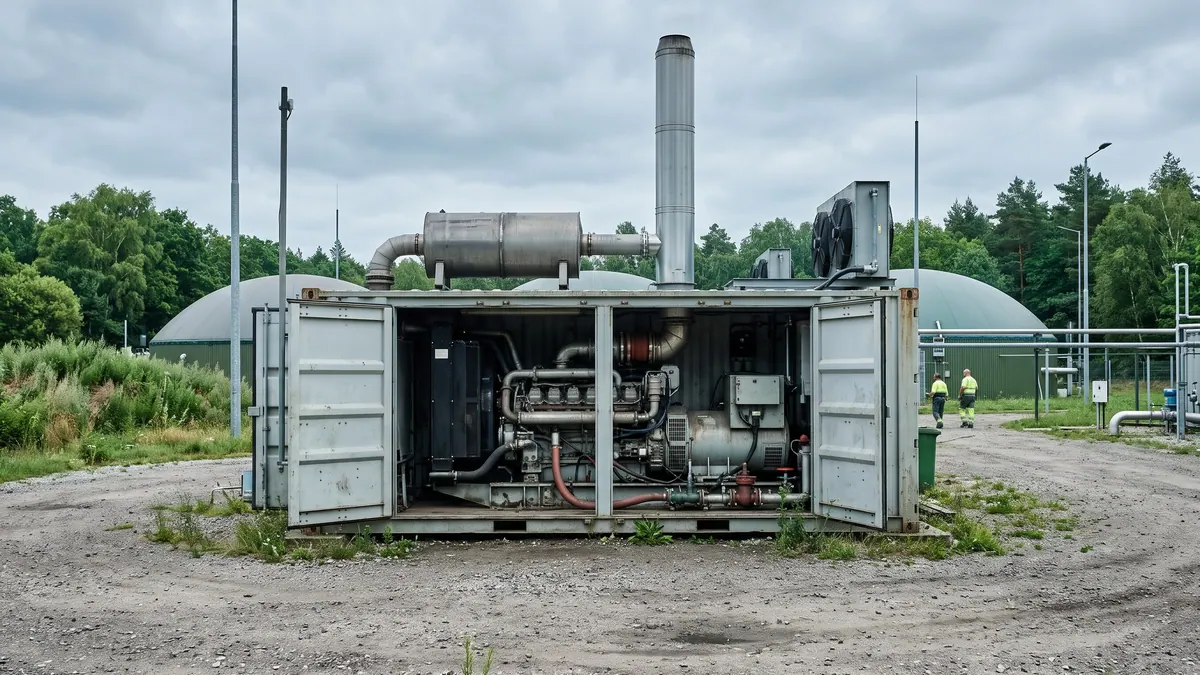
The British Anaerobic Digestion and Bioresources Association (ADBA) warned on 18 November 2024 that hundreds of small biogas plants in the United Kingdom will close by 2031. According to a survey of members, more than 160 installations finish their support period within five years, and more than 400 in the following five. The closures would mean a loss of about 2 TWh of electricity, enough for about 500,000 homes.
Where the problem comes from
The installations in question rely on support schemes that are expiring: feed-in tariffs (FiT) and Renewables Obligation Certificates (ROCs). Some operators are closing plants even before support ends, because they cannot justify replacing worn-out equipment: a new cogeneration unit costs from GBP 250,000, and refurbishing the digesters is just as costly. The lack of any prospect of a reasonable return rules out replacement investment.
ADBA Chair Chris Huhne assessed that the closures will make it harder for the government to achieve its clean energy target by 2030. He pointed out that the department must rethink how to keep these installations in the system. Policy Director Gareth Mottram added that closures will accelerate once support ends. The department (DESNZ) has launched a survey among scheme participants on their plans after support ends. ADBA is calling for transitional measures that would soften the "cliff" after FiT and ROC expire.
Similarities with Germany and Poland
The picture is similar to the German one (see the entries from June and August 2024): the first generation of small biogas plants is reaching the end of support, and their economics without subsidies are weak. In Poland the first agricultural biogas plants were commissioned even before 2010, so the expiry of support will come gradually, for some installations earlier than in the 2030s. Yet lessons can already be drawn today.
Significance for the industry in Poland
First: operation, servicing and overhauls make up a significant part of costs, and a replacement plan (engine replacement, refurbishment of tanks) should be part of the financial model from the start. Second: installations with a heat off-taker and flexible operation have a better chance of surviving economically. Third: the option of switching to biomethane requires a connection to the gas grid, so it is worth thinking about it early. For service companies and parts suppliers this is also a demand signal: engine and tank overhauls will increase.
What next
The department (DESNZ) is surveying scheme participants about their plans after support ends, which may precede transitional solutions. ADBA is demanding that the "cliff" after FiT and ROC expire be softened. For readers in Poland this is a warning that support policy should take into account the whole life cycle of an installation, including replacement costs and servicing. Operators should plan reserves for overhauls already in the financial model.
Sources
Related articles