agriKomp Polska is building four more biogas plants; some adapted for biomethane
The biogas technology supplier agriKomp Polska announced the construction of four installations. Some of them may produce biomethane in future if the regulations change.
Other language versions: polski.
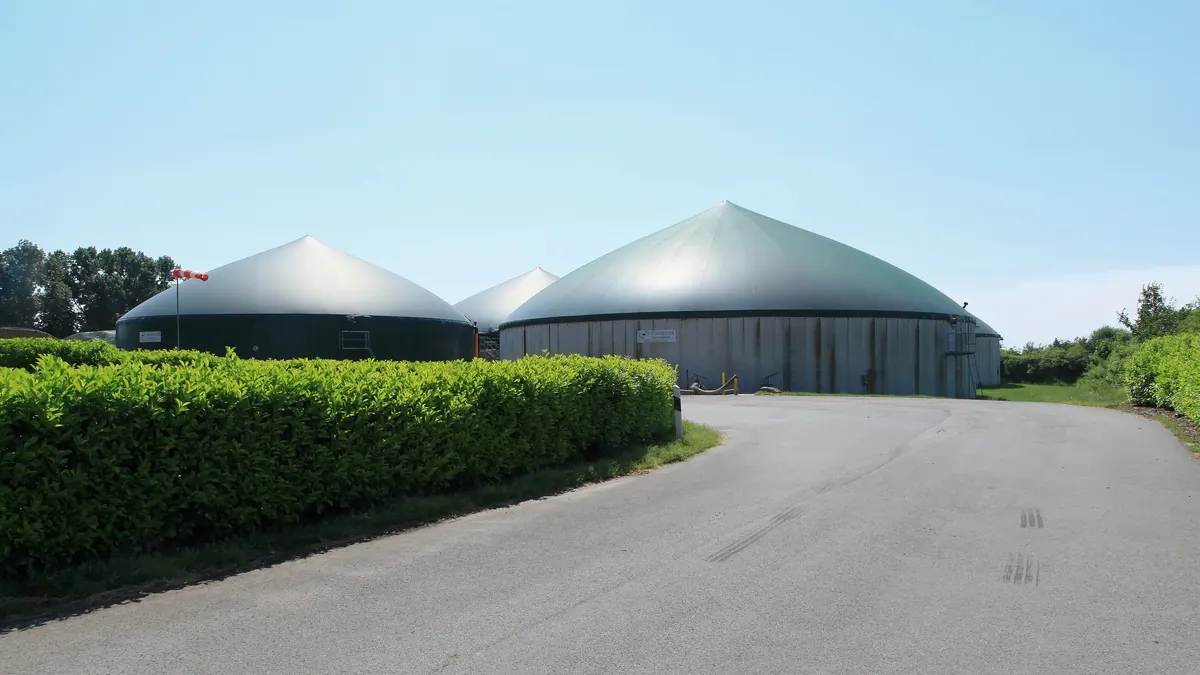

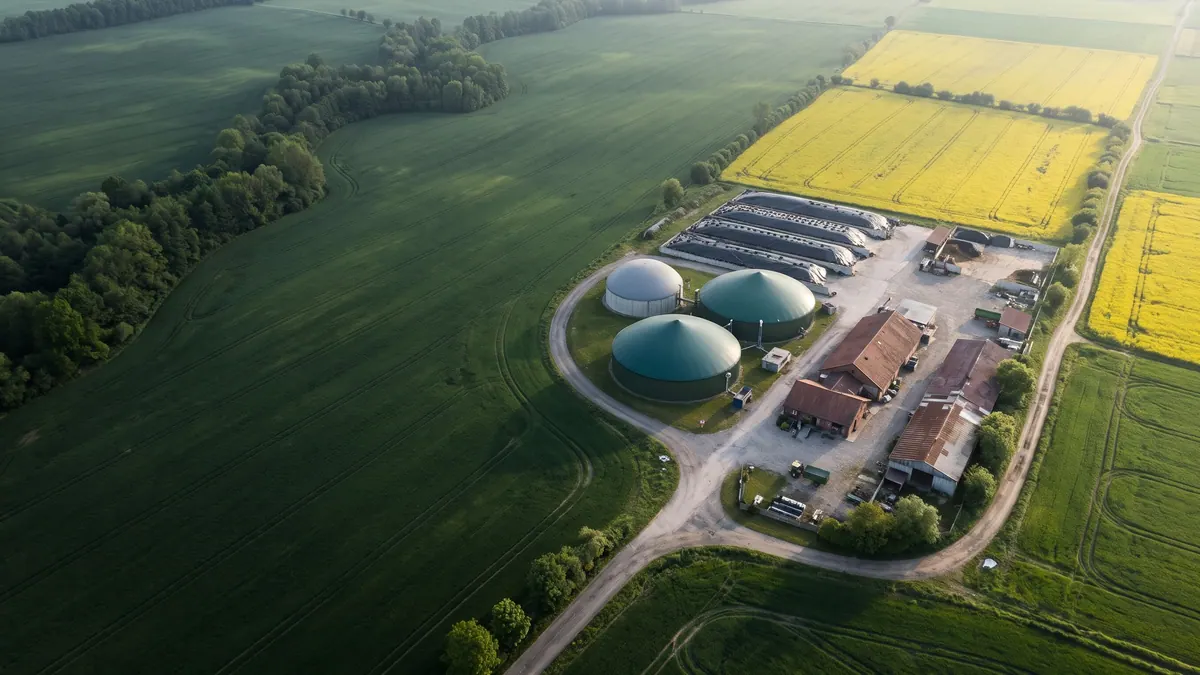
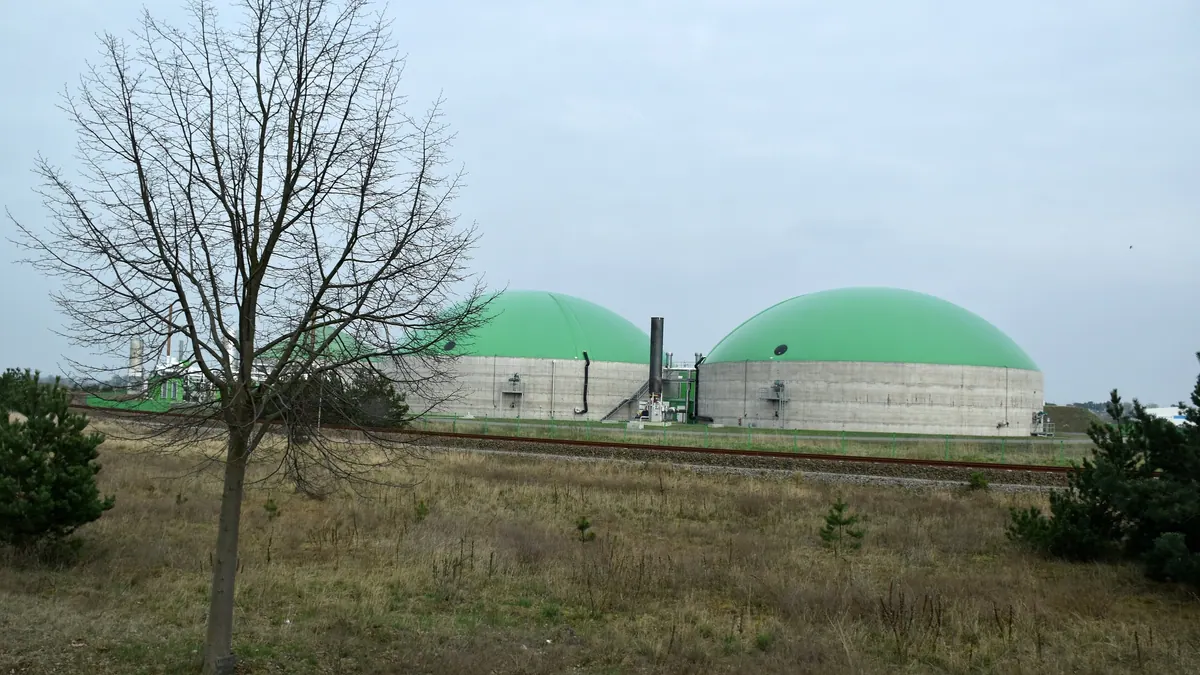
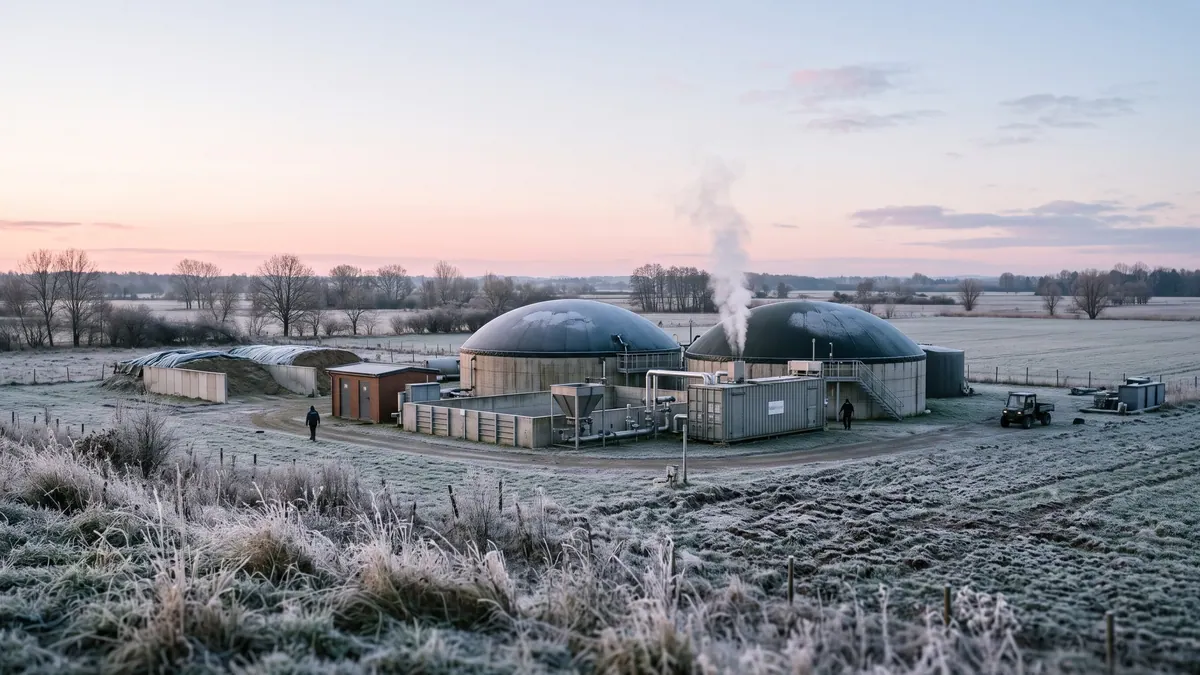
The biogas technology supplier agriKomp Polska announced on 7 October 2020 that its order book in Poland is growing: after building 10 biogas plants, the company intends to start construction of four more this year. Some of the installations are to be designed so that in future it would be possible to switch to biomethane production, but — as the manufacturer cautions — this requires changes in the law.
Selected projects
Among the investments discussed, the following were listed:
| Location | Parameters |
|---|---|
| Wicko municipality (gmina Wicko) | approx. 0.99 MWe and 0.99 MWt, three digesters, digestate tank for 180 days; cost PLN 17.9 million gross, EU grant PLN 9.95 million; completion planned for the end of 2021 |
| Baranów (Masovian Voivodeship) | 330 kWe, planned expansion to approx. 499 kWe |
| Blizanów | 499 kWe and 1 MW of thermal capacity, supplying a greenhouse |
| two other installations | 499 kWe each |
The capacity of 499 kWe appears often because it remains below the 500 kW threshold, above which the Act on Renewable Energy Sources (ustawa o OZE) provides different support rules (including separate reference prices for agricultural biogas installations).
Why a 180-day tank
A digestate tank capacity corresponding to 180 days of production is close to the storage requirement of the nitrates programme (six months for liquid natural fertilisers) and results from the seasonality of fertiliser application. Digestate can be applied to fields only at certain times, so it must be stored during the period when application is impossible. Suitably large tanks reduce the risk of exceeding permitted nitrogen doses and limit nutrient losses.
Biomethane: a condition of changes in the law
The company points out that adapting a biogas plant to biomethane production is technically possible, but profitability depends on regulation: the definition of biomethane, the support system, the rules of grid connection and guarantees of origin. In October 2020 the government and the industry were signing a letter of intent on such solutions, but the legal act itself remained in the sphere of announcements. From the perspective of technology suppliers, investments being built today must therefore leave room for later expansion with a biogas upgrading installation.
What next
For readers planning to build a biogas plant the conclusion is practical: it is worth preparing the project with a reserve of land and grid connection capacity and with tanks of suitable capacity. This allows a future switch to biomethane without thorough reconstruction, if regulations encourage it.
Significance for the contractors' market
The fact that technology suppliers are announcing new orders despite regulatory uncertainty shows that in the segment of small agricultural biogas plants of up to 500 kW investments are still being carried out. They are most often supported by EU and national grants, and their profitability rests on selling energy under the tariff or auction system and on using heat. For farms the key is to coordinate permits, financing and the availability of substrates before construction begins.
Sources
Related articles