Waste and circular economyGuide
BDO for biogas plants: register entry, records cards and the report due by 15 March
A biogas plant receiving waste must operate in BDO: register entry, records and a KPO for deliveries, and every year a waste report by 15 March. Check who this applies to and what to do.
Other language versions: polski.
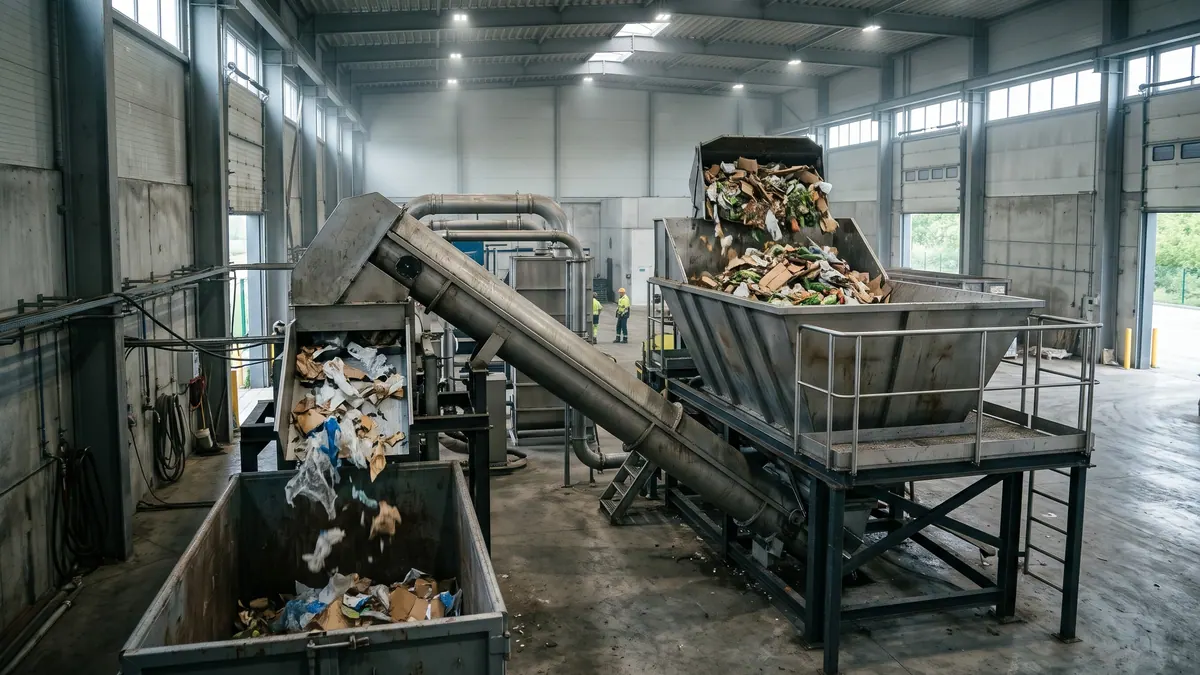
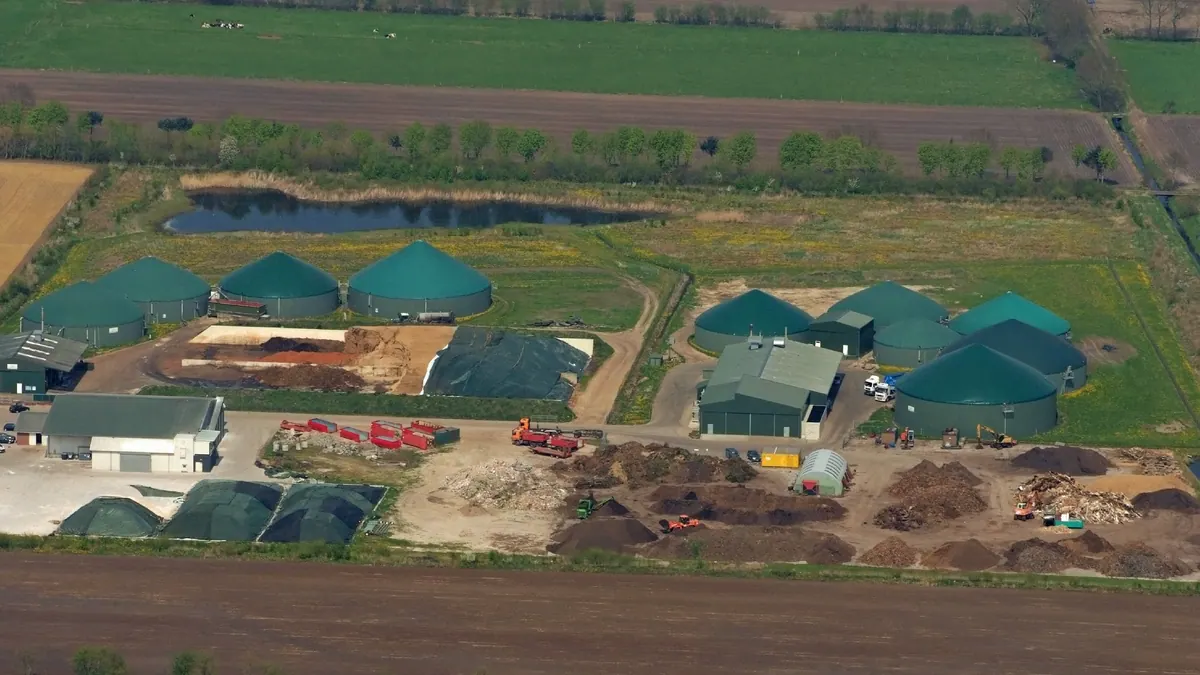
A biogas plant that receives waste is a waste holder and must operate in BDO: have an entry in the register (ex officio or on application), keep records and confirm every delivery, and submit the annual waste report by 15 March. The deadline for 2020 has just passed, on 15 March 2021, so if it was missed, submit the report as soon as possible — the regulations provide for sanctions for failures. An agricultural biogas plant working exclusively on biomass excluded from the Act on Waste (ustawa o odpadach) has fewer of these obligations.
Are you in BDO at all?
First establish what goes into the digester:
- Outside the Act on Waste (Article 2(6)): excrement covered by Regulation (EC) No 1069/2009, straw and other natural non-hazardous substances from agriculture or forestry used for energy production from biomass in a manner that is not harmful to the environment.
- Waste: e.g. waste from food and beverage processing (group 02), kitchen and biodegradable waste (group 20), expired food. If you receive them, you are a waste holder.
- By-products with a decision from the marshal: they are not waste, so there are no waste records.
Farmers farming less than 75 ha of agricultural land who generate waste are exempt from the obligation to keep records and from register entry, unless they are subject to entry for other reasons.
Register entry
The register is kept by the voivodeship marshal. A biogas plant gets into it in two ways:
- Ex officio — if it has obtained a permit for waste collection or processing, an integrated permit or a permit for waste generation.
- On application — if it carries out waste processing exempt from the permit requirement (Article 50(1)(5)(a)). The entry must be obtained before starting activity, and activity may be carried out only by an entered entity.
After the entry you receive a registration number and an individual BDO account; the number is placed on documents related to the activity. Changes to information or to the scope of activity are reported to the marshal within 30 days of the change.
Fees. The registration and annual fees apply to the categories indicated in Article 57(1) (e.g. those placing on the market equipment, batteries, vehicles, packaging and products in packaging, tyres, oils); the amount ranges from PLN 50 to PLN 2000. A waste holder running a biogas plant does not belong to this list as such, but if it also carries out other activity under Article 50 (e.g. places products in packaging on the market), it pays one, the highest fee.
Records for deliveries
- The supplier prepares a KPO (waste transfer card) before transport.
- The biogas plant, as the receiving party, immediately confirms receipt in BDO, entering the mass (if different from that in the KPO), the date and time.
- For each type of waste you keep a waste records card (KEO): quantities received, processing, waste generated (e.g. the fermented mass as waste, if it is waste).
- When taking away digestate that is waste, you prepare the KPO yourself.
Documents and source data are kept for 5 years from the end of the year in which the documents were prepared.
Annual report
The report on waste generated and on waste management is submitted by, among others, an entity engaged in waste processing that has a records obligation. It contains identification data (registration number, NIP) and information on the mass and types of waste, the method of management, and the installations and equipment for processing (technical data, dates and duration of downtime or failure, number of working hours per day). You submit it in BDO by 15 March for the previous year to the marshal competent for the place of processing. In case of a system failure you submit it immediately after the failure ends; on permanent cessation of activity — within 7 days.
Example: three types of deliveries
| Delivery | Status | Consequences in BDO |
|---|---|---|
| Slurry and silage from your own farm | biomass excluded from the Act (Article 2(6)) | no waste records |
| Waste from food processing with a code from group 02 | waste | KPO, confirmation of receipt, KEO |
| Material from a plant with a by-product decision | not waste | no waste records, but a copy of the decision in the delivery documentation |
When all three types of deliveries appear in one installation, the key is to keep them separate in records, storage and invoicing, so that statuses are not mixed up.
The biogas plant’s calendar in BDO
| When | What |
|---|---|
| Before start-up | register entry (ex officio or on application) |
| Every delivery | KPO and confirmation of receipt |
| Ongoing | KEO separately for each type of waste |
| Within 30 days of a change | update of data in the register |
| By 15 March | annual report for the previous year |
| By the end of February | annual fee, if applicable |
Common mistakes
- confusing codes (a food substrate in the wrong group);
- no confirmation of receipt, and mass discrepancies between the KPO and the weighbridge;
- wrong status of the digestate and no KPO when it is taken away;
- no update of the account after a change to the installation or the list of codes;
- failure to submit the report on time, or submitting it to the wrong marshal (what counts is the place where the waste is processed).
What to do first
- Break the feedstock down into: outside the Act, waste, by-products.
- Check whether you have a permit or authorisation (ex officio entry) or an application for entry.
- Set up the BDO account with the waste codes you actually receive.
- Align the weighbridge with the KPO and the KEO.
- Put the 15 March deadline in your calendar.
This text is for information only and does not constitute legal advice; before an investment or formal decision, check the current wording of the regulations and consult a lawyer or the competent authority.
Sources
Questions and answers
Must an agricultural biogas plant running on slurry and silage be in BDO?
Excrement covered by Regulation (EC) No 1069/2009, straw and other natural non-hazardous substances from agricultural production, used for energy from biomass, are excluded from the scope of the Act on Waste (Article 2(6)). If the installation does not accept waste, waste records for these substrates do not arise from the Act, but adding waste (e.g. slaughterhouse or food waste) makes it a waste holder.
By when must the annual report in BDO be filed?
The reports referred to in Articles 73, 74a and 75 of the Waste Act (ustawa o odpadach) are submitted by 15 March for the previous calendar year to the voivodeship marshal, via an account in BDO. For the report on waste generated and waste management, the competent marshal is the one for the place where the waste is generated, collected or processed.
Related articles