BiohydrogenEvent
Chile presents its National Green Hydrogen Strategy: the cheapest hydrogen in the world by 2030
On 3 November 2020 the Chilean government presented its green hydrogen strategy: the cheapest hydrogen in the world by 2030, a place among the top three exporters by 2040 and 5 GW of electrolysis under development by 2025.
Other language versions: polski.
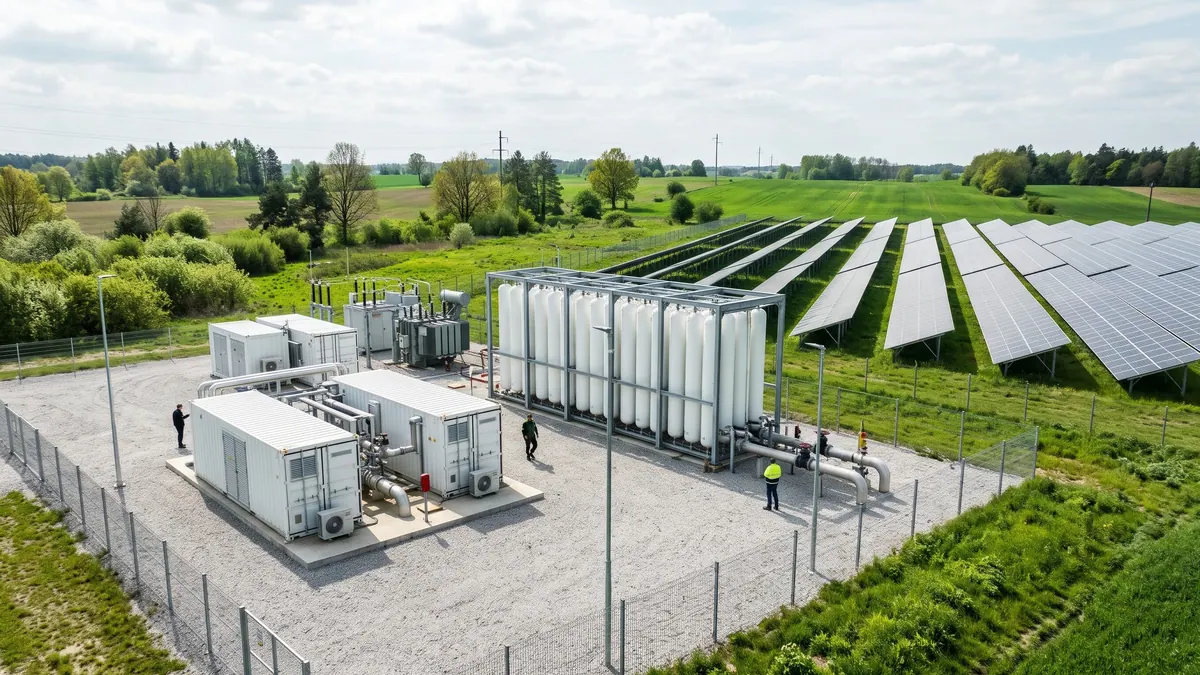
On 3 November 2020 the Chilean government presented its National Green Hydrogen Strategy, setting three goals: the cheapest green hydrogen in the world by 2030, a place among the top three global exporters by 2040, and 5 GW of electrolysis capacity under development by 2025. According to Reporte Minero, the new industry is expected to mean about 100,000 jobs and USD 200 billion of investment over 20 years.
Why Chile
The country has exceptionally good conditions for renewable energy production: the sunshine of the Atacama Desert in the north and the strong winds of Patagonia in the south. With low electricity costs, electrolysis can deliver a competitive hydrogen cost, and the proximity of ports makes it possible to think about exporting hydrogen and its derivatives, such as ammonia.
Quantitative targets
The target of 5 GW of electrolysis under development by 2025 is worded in the official materials as capacity “in development”, not installed. The strategy was intended above all to signal a direction to the market.
Domestic applications
Besides export, the strategy points to domestic applications: heavy transport, including mining, the production of ammonia for fertilisers and explosives, and the replacement of imported fuels. Copper mining, which consumes a great deal of energy, is a natural customer.
Hydrogen and biogas
The strategy concerns hydrogen from electrolysis, but the development of this market affects biogas: biomethane and biogenic CO₂ can be feedstocks for e-fuels, and hydrogen infrastructure can make use of shared ports and resources.
Risks
The strategy depends on the cost of electrolysers, renewable energy prices, access to financing and external demand. Export also requires port infrastructure and logistics for ammonia or hydrogen, which take a long time and are costly to build.
What this means for Poland and Europe
Chile is one of the candidates to supply green hydrogen and ammonia to Europe. For Polish ports and industrial customers, it will matter whether hydrogen certification (RFNBO) is recognised in supply chains from South America.
Sources
Related articles