BiohydrogenEvent
Fukushima: FH2R, one of the largest renewable-powered electrolysers, opens
On 7 March 2020 FH2R, a 10 MW facility producing hydrogen from solar energy and the grid, at up to 1,200 Nm³/h, was officially opened in Namie (Fukushima).
Other language versions: polski.
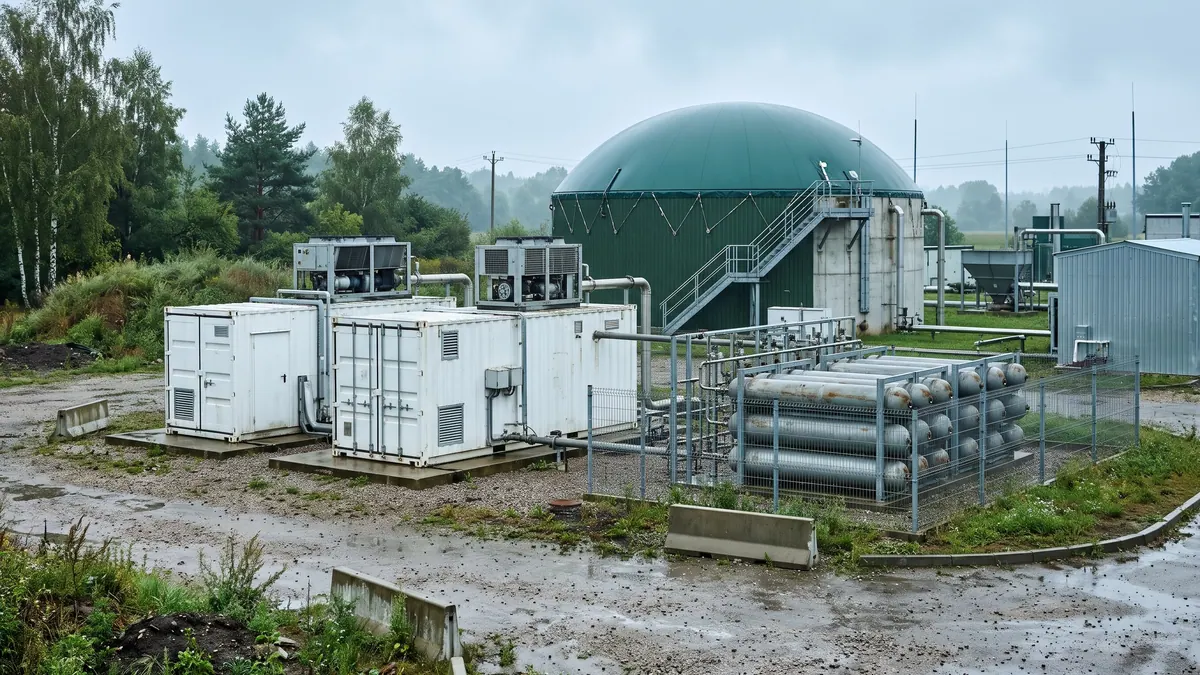
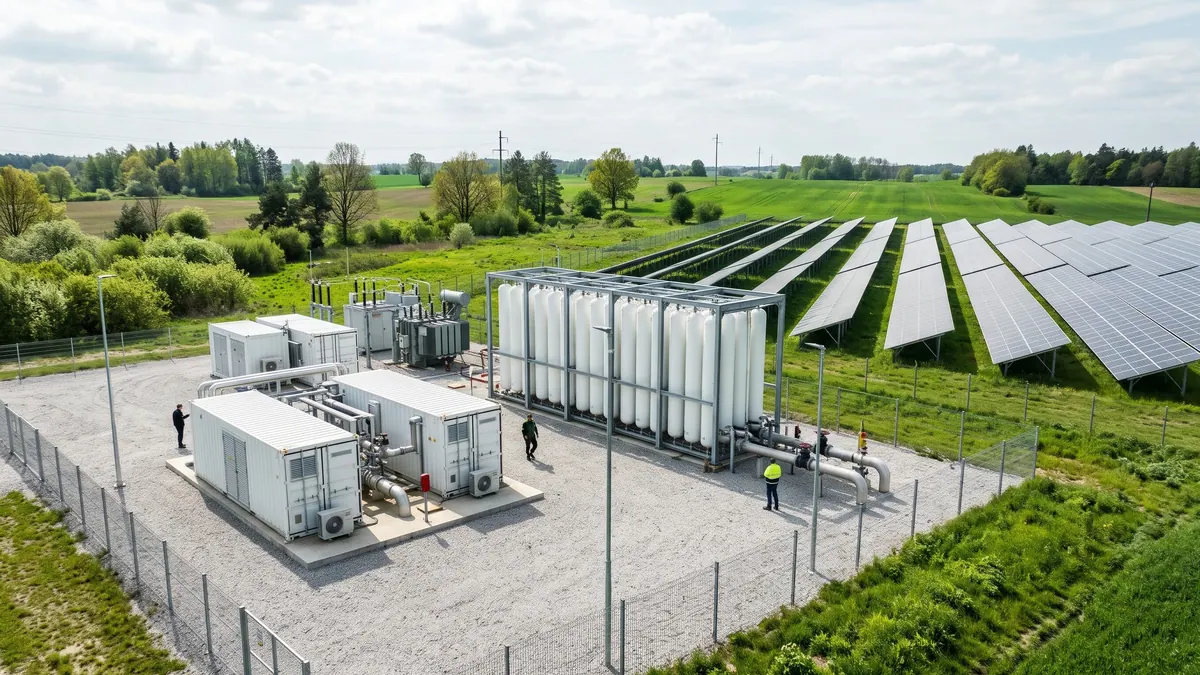
The Japanese Fukushima Hydrogen Energy Research Field (FH2R) in the town of Namie in Fukushima Prefecture was officially opened on 7 March 2020. It is a 10 MW-class electrolyser, capable — when running at rated power — of producing up to 1,200 Nm³ of hydrogen per hour. At the time of opening it was described as one of the largest facilities of this type in the world powered by renewable energy.
Who is behind it and how it works
The project is carried out jointly by NEDO (the Japanese agency for the development of new energy and industrial technologies), Toshiba Energy Systems & Solutions, Tohoku Electric Power and Iwatani. Construction began in 2018, and according to NEDO the facility was completed at the end of February 2020. The alkaline electrolysis system was supplied by Asahi Kasei.
Electricity comes from a 20 MW photovoltaic farm located on a site of about 180,000 m² and, as a supplement, from the grid. This is important: the aim is not merely to produce hydrogen, but also to test how an electrolyser can match its power draw to variable supply and demand in the system, that is to act as a flexible consumer that "stores" renewable surpluses in the form of hydrogen.
Why Fukushima
The choice of location has a symbolic and political dimension. After the 2011 nuclear power plant accident the region became a testing ground for reconstruction projects based on renewable energy and hydrogen. The hydrogen produced is to go to mobility and industrial applications, and experience from operation is to be used to scale up the technology in the coming years.
What this means for the biogas industry
For readers of Substraty.pl, FH2R is an important reference point for two reasons. First, it shows the scale at which Japan was testing hydrogen from electrolysis as early as 2020 — and thus the context in which hydrogen strategies were later created (see the following entries on the Japanese strategy and the hydrogen act). Second, "green" hydrogen competes with hydrogen obtained from biogas and biomethane (steam reforming with CO₂ separation, or directly from biogas), and the advantage of a given route is determined by local availability of feedstock, the cost of electricity and infrastructure. In agricultural regions such as Hokkaido, hydrogen from slurry biogas makes sense mainly as a local solution — we write about this in a separate piece on Shikaoi.
It is worth remembering that 10 MW is still a demonstration scale. The real test is the results of many years of operation and the cost of the hydrogen produced.
Sources
Questions and answers
Is FH2R biohydrogen?
Not in the biological sense: it is hydrogen from water electrolysis powered by renewable energy. The entry is placed in the hydrogen category because it shows how Japan is building a hydrogen value chain, including hydrogen that may in future be supplemented with hydrogen from biogas.
Related articles