Law and regulationEvent
Vietnam: Decision 08/2020 — biomass tariff of 7.03 and 8.47 USD cents/kWh
Decision 08/2020/QD-TTg raises the Vietnamese biomass tariff: 7.03 USD cents/kWh for cogeneration and 8.47 cents for non-CHP sources, for 20 years from commissioning. It enters into force on 25 April 2020.
Other language versions: polski.
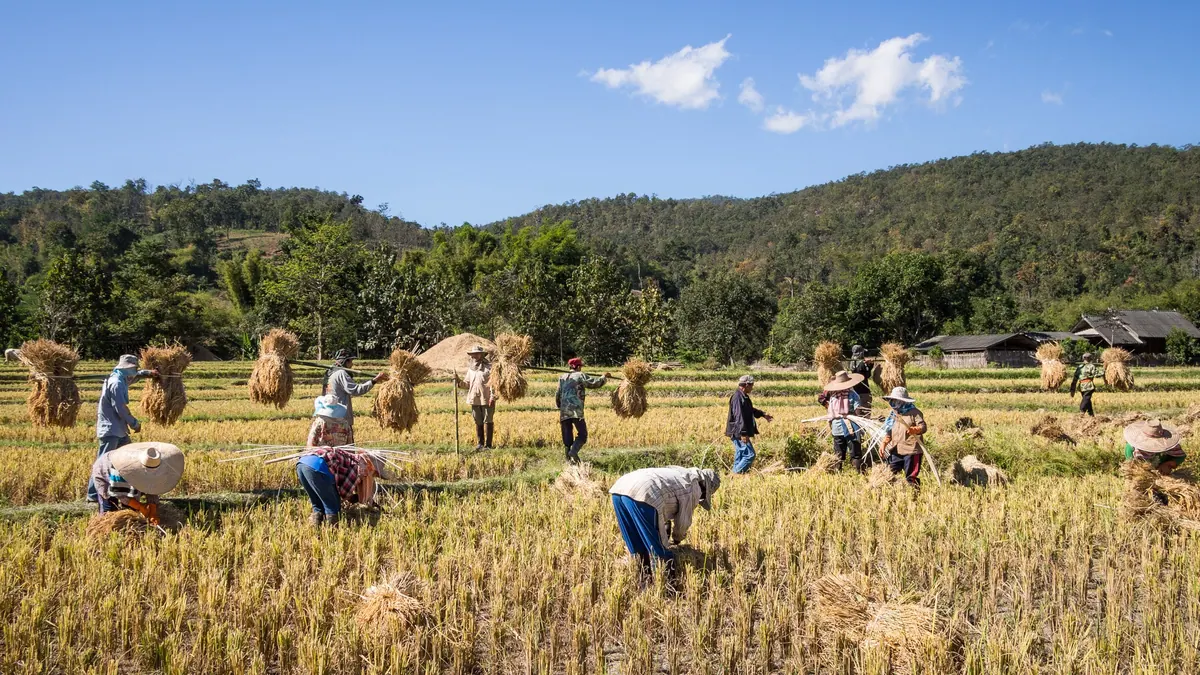

In 2020 Vietnam raised the guaranteed price of energy from biomass: to 7.03 USD cents per kWh for cogeneration (CHP) and 8.47 cents for sources without cogeneration. The change is introduced by Prime Minister's Decision 08/2020/QD-TTg, issued on 5 March 2020, which applies from 25 April 2020.
What there was before
Decision 24/2014 set a rate of 5.80 USD cents/kWh for biomass in CHP. According to legal commentaries, there was no fixed rate for installations without CHP, and the price was determined by the avoided cost tariff. A draft from November 2019 provided 6.77 cents for CHP; 7.03 was ultimately adopted.
New rules
| Type of installation | Tariff (from 25/04/2020) |
|---|---|
| biomass in cogeneration (CHP) | 7.03 USD cents/kWh |
| biomass without CHP | 8.47 USD cents/kWh |
Rates are quoted at the point of delivery, excluding VAT, and adjusted to the Vietnamese dong to dollar exchange rate on the invoice date. Power purchase agreements last 20 years from the commissioning date. Energy is purchased by the state-owned EVN or its authorised companies.
Significance
In Vietnam biomass is mainly agricultural waste, such as rice straw and husks. A rate denominated in USD and converted at the exchange rate eliminates inflation risk for the investor but shifts it to the buyer.
What the biomass market looks like
Dollar rates are typical of countries where foreign investors require protection against currency risk. Vietnamese waste from rice, sugar cane or wood growing is dispersed, so profitability is determined by the logistics of harvesting and the fuel price, not by the tariff alone. The higher rate for installations without cogeneration shows that the 2020 decision was meant to encourage also simpler projects, which had previously been settled at the avoided cost. Posts on waste management in Asia and on rice straw supplement this context.
For comparison with Polish realities: in Poland biomass and biogas installations are settled under other support systems (auctions, tariffs), so the Vietnamese rate in USD cents per kWh is useful mainly as a reference point for costs and the exchange rate, and not directly for conversion into domestic profitability. Three elements are key in this model: a single buyer (EVN), a long 20-year contract term and settlement in dollars.
Sources
Related articles