BioLNG and bioCNGEvent
United Kingdom: CNG Fuels to expand its network of bio-CNG stations for trucks
The British company CNG Fuels, backed by GBP 80 million from Foresight Group, has opened five stations and plans at least 14 more. Once they open, the network will serve about 8,000 trucks a day.
Other language versions: polski.
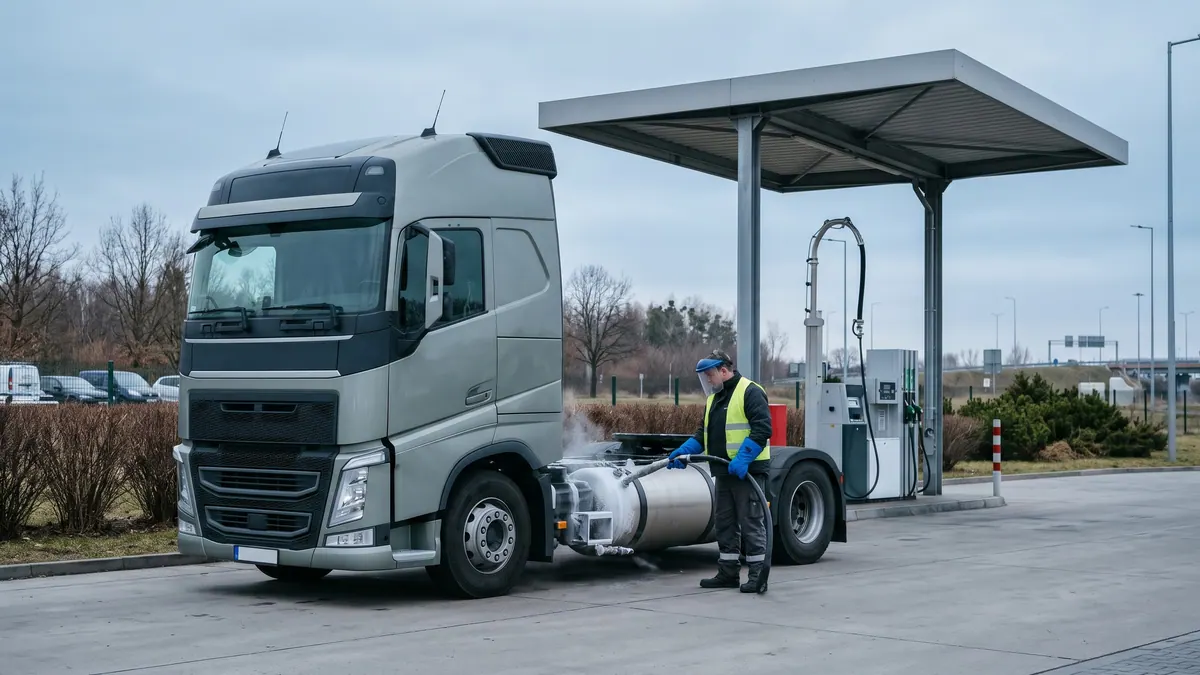
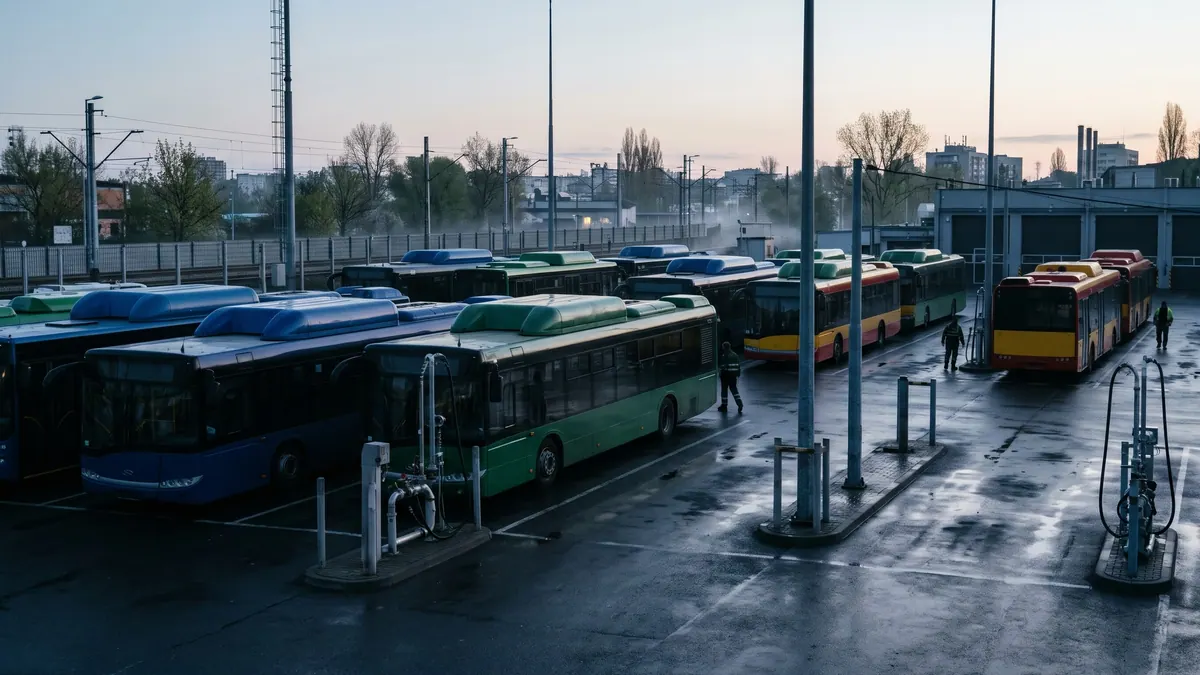
The British company CNG Fuels, backed by GBP 80 million from Foresight Group, announced at the end of December 2020 that it will expand its network of biomethane refuelling stations, in the form of bio-CNG, for heavy goods vehicles. Five stations are currently operating, which can serve about 2,000 trucks a day. The sixth station, near Liverpool, was due to open in January 2021, and within two years the company intends to build at least 14 more.
What CNG Fuels is planning
After the planned investments are completed, the network will be able to refuel about 8,000 trucks a day. The fifth station, near Birmingham, serves up to 500 vehicles a day. The fuel is biomethane compressed into bio-CNG, produced from waste and residues.
The company points to a cost and environmental advantage. According to the company, bio-CNG trucks are to be 35–40% cheaper to run than diesel, and CO₂ emissions fall by about 85%. The company expects the fuel to be fully climate-neutral next year. Road freight accounts for about 4.5% of the UK economy's CO₂ emissions.
These are the company's claims, based on its own calculations; actual reductions depend on the feedstock from which the biomethane is made and on the methodology used to calculate life-cycle emissions.
Significance for the biomethane market
Heavy transport is one of the applications in which electrification is difficult, and biomethane – in compressed (bio-CNG) or liquefied (bioLNG) form – is already an available solution. The British example shows that the development of refuelling infrastructure can be financed by investment funds, provided there is stable demand from hauliers and a mechanism for certifying the origin of the fuel.
For Polish biogas producers this is a template for an alternative route to market: instead of producing electricity with cogeneration – purifying biogas to biomethane and selling it as a transport fuel. In 2020 Poland had no developed bio-CNG refuelling network or biomethane certification system, and the rules on support for and origin of biomethane had yet to be created.
What next
For the industry it will be important whether similar models emerge in Poland. The conditions are: a system for certifying biomethane (guarantees of origin), price competitiveness against diesel and LNG, and a refuelling network along transport corridors. With rising prices of CO₂ emission allowances and requirements for transport fuels, the arguments for biomethane in heavy transport will strengthen.
Bio-CNG and bioLNG
Compressed biomethane (bio-CNG) is used mainly in vehicles on shorter and medium routes, and liquefied biomethane (bioLNG) – where long range matters, for example in long-distance heavy transport. The choice of form depends on the density of the refuelling network and on liquefaction costs. In both cases, reliable confirmation that the fuel comes from biomethane and not from fossil gas is crucial.
Sources
Related articles