Digestate: closed tanks and residual methane potential – how to reduce emissions
Digestate in open tanks can emit methane because the material has not been fully digested. We explain residual methane potential (RMP), closed tanks and operating recommendations.
Other language versions: polski.
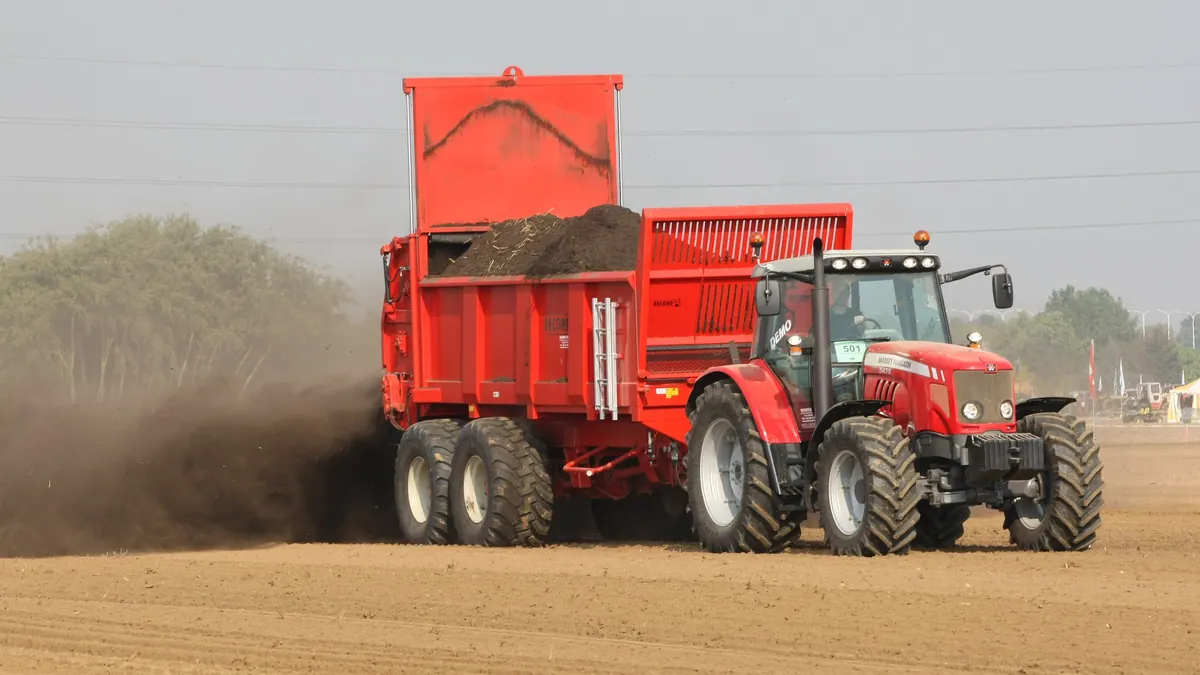

Digestate leaving the digester still contains organic matter that can release methane during storage. The amount of this methane is described by the residual methane potential (RMP), determined in laboratory tests as the ratio of methane produced from a digestate sample under controlled conditions to the methane produced in the entire process. In open tanks, methane escapes into the atmosphere, which reduces the climate benefits of the plant. The solution is closed tanks with gas recovery, as well as a longer retention time and stable operation of the digesters.
Where RMP comes from
Substrates decompose in the digester at different rates. Readily available fractions (sugars, fats) are converted into biogas within a few days, but fibrous fractions (cellulose and hemicellulose in plant residues, often shielded by lignin, which under anaerobic conditions is practically not degraded) decompose slowly and some of them leave the digester unreacted. In addition, a short retention time, insufficient mixing, process disturbances (ammonia inhibition, volatile acids) and low temperature increase RMP. Digestate stored in summer at ambient temperatures of around 20°C and above can produce methane faster than in winter.
How RMP is measured
The standard is a batch test: a digestate sample is incubated at a constant temperature (often 20°C or 37°C) for several dozen days, and the methane produced is measured. The result is expressed as the amount of methane per mass or volume of digestate, or as a percentage of the plant's total methane production. In the literature, RMP values range from fractions of a percent to over a dozen percent of production, depending on the plant and conditions, so a plant's own testing is better than general values.
Closed tank
A gas-tight cover on the digestate tank (gas-tight membrane, roof) is connected to the gas system, and biogas from the store is fed into the installation. In RED II, the default values for biogas chains distinguish between open and closed digestate, which shows that the difference in emissions is significant. A closed tank not only limits emissions but also increases biogas production – the gas from RMP is not lost.
Worked example
Assumptions: a biogas plant produces 2.2 million m³ of methane per year, and the RMP of digestate at 20°C is 4% of production (88 thousand m³ CH₄). In an open tank, assuming that 60% of RMP is released during storage, the loss is 52.8 thousand m³ CH₄ (m³ under normal conditions), or about 37.9 t (at a methane density of 0.718 kg/m³). With GWP₁₀₀ = 28, this is about 1060 t CO₂e per year and 528 MWh of energy (at 10 kWh/m³), or about PLN 106 thousand at a price of PLN 200/MWh. A cover with gas recovery captures most of this amount; the cost of the cover (e.g. several hundred thousand PLN for a medium-sized tank – an indicative value) can pay back in several to a dozen or so years, and it additionally improves the carbon footprint of the gas.
Operating measures
- Extending the retention time in the digesters or adding a second digestion stage (post-digester) at process temperature.
- Process stability: avoiding substrate overloading, monitoring volatile acids and ammonia.
- Thorough mixing and temperature control: eliminating dead zones.
- Size reduction of fibrous substrates in order to increase the degree of degradation.
- Closed or covered tanks and a gas recovery system.
- Prompt application of digestate to fields during the growing season in order to shorten storage time.
- Periodic RMP testing and tracking of trends.
Legal and environmental issues
Regulations on digestate storage cover tank capacity (in line with the closed period for fertiliser application), protection of water and air, and odour requirements. Specific obligations depend on permits and national regulations, which should be consulted with the environmental protection authority.
Measuring RMP step by step
Take a representative sample of digestate from the digester outlet (not from the tank surface), seal it in an airtight container, transport it to the laboratory at a low temperature and carry out a batch test at a set temperature. Repeat the test seasonally and after significant changes to the substrate recipe. Record the results together with data on digester loading (OLR), retention time and temperature, so that RMP can be correlated with process conditions and the causes of deterioration identified.
Summary
Digestate is not merely a waste left over after fermentation but also a potential source of methane. A closed tank with gas recovery increases production, improves the GHG balance and reduces the risk of odours, and the cost of the investment is usually justified.
Sources
Related articles