Law and regulationEvent
EU Council adopts the gas and hydrogen package. New rules for biomethane in the grid
On 21 May 2024 the EU Council approved Directive 2024/1788 and Regulation 2024/1789. The package sets out, among other things, access of renewable gases to the grid, tariff discounts and connection priorities.
Other language versions: polski.
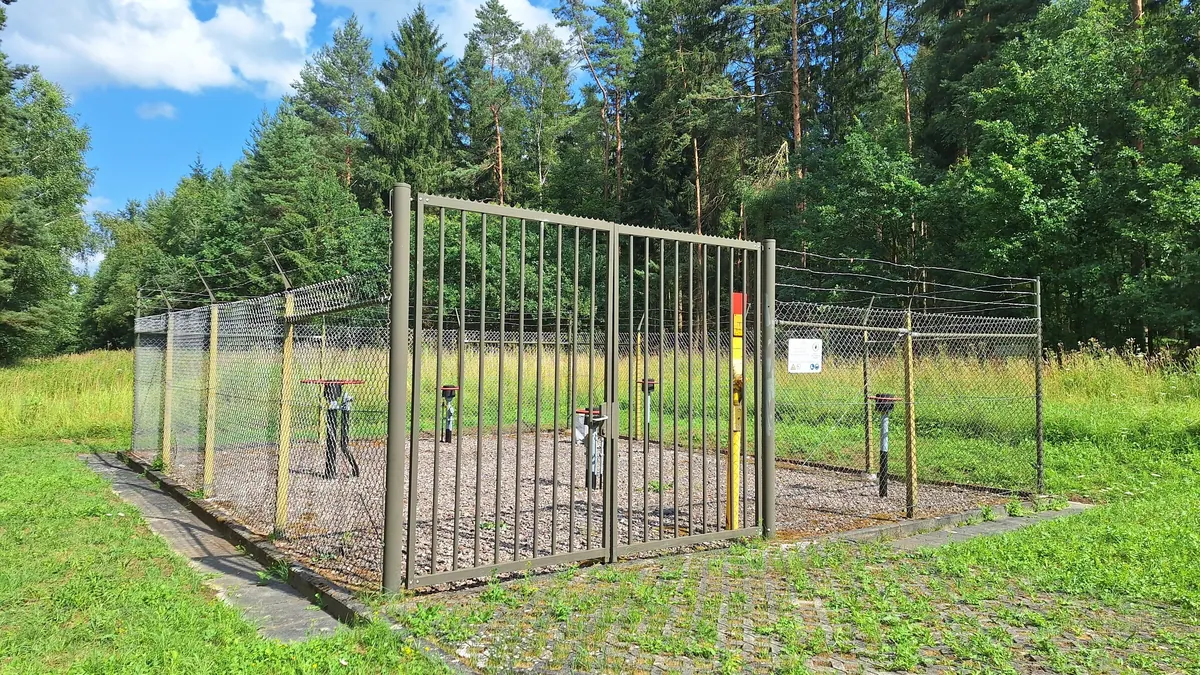

On 21 May 2024 the EU Council adopted the package on gas and hydrogen markets: Directive (EU) 2024/1788 and Regulation (EU) 2024/1789. For biomethane producers this is the most important set of EU rules on access to the gas grid, because for the first time it lays down the rules for connecting renewable gas installations across the whole Union.
The most important provisions
The package is a recast of Directive 2009/73/EC and Regulation 715/2009. It defines renewable gas as biogas within the meaning of the Renewable Energy Directive, including biomethane, and renewable fuels of non-biological origin (RFNBO). Low-carbon gas includes low-carbon hydrogen, which must deliver a 70% emission reduction relative to the fossil fuel.
The rules on grid access are key for biomethane:
- Member States ensure access for renewable and low-carbon gases regardless of whether the producer connects to the distribution or transmission network;
- operators provide firm capacity for renewable gas installations, and refusal of access is possible only in limited cases;
- because producers usually connect to the distribution network, operators should enable reverse flow from distribution to transmission or apply alternatives (smart solutions, a direct connection to transmission);
- high tariff discounts are applied at entry points from renewable and low-carbon gas installations, unless other support mechanisms exist;
- the Commission may adopt implementing acts specifying the cost-effective integration of large volumes of biomethane.
What about targets
During the work, Parliament proposed an EU target for biomethane, but it was left out of the final text. The package sets no numerical targets for renewable gases, and the only quantitative threshold is the 70% emission reduction for low-carbon gases.
Significance for the industry in Poland
For Poland, where connection queues and unclear injection rules were among the main barriers, the provisions on access and tariff discounts create a framework for appropriately adapting national energy law. Polska Spółka Gazownictwa had already issued hundreds of connection conditions for biomethane plants, but physical injection had still not started. Transposition of the directive, for which Member States will have two years from entry into force, will directly affect the rules on connection, cost allocation and network planning.
What next
After adoption by the Council, the act will be signed and published in the Official Journal of the EU, and will then enter into force after 20 days. The regulation is to apply six months after entry into force (some provisions earlier), and Member States will have two years to transpose the directive. During this time network operators and regulators should prepare national rules on access, entry tariffs and development plans, and biomethane producers should gather documentation for connection applications.
What to look out for in practice
The provisions on access do not replace national procedures, and the rules on tariff discounts may be implemented differently. In talks with the operator, a biomethane producer should therefore check: what firm capacity it can obtain, whether reverse flow is possible, who bears the cost of the connection and how entry charges will be calculated. These elements largely determine a project's profitability, often more than the gas sale price itself.
Sources
Related articles