EU Council: voluntary 15% reduction in gas consumption. Agreement of 26 July 2022
On 26 July 2022 EU energy ministers agreed a voluntary 15% cut in gas consumption for the period August 2022 – March 2023, with the possibility of moving to a mandatory reduction in the event of a "Union alert".
Other language versions: polski.
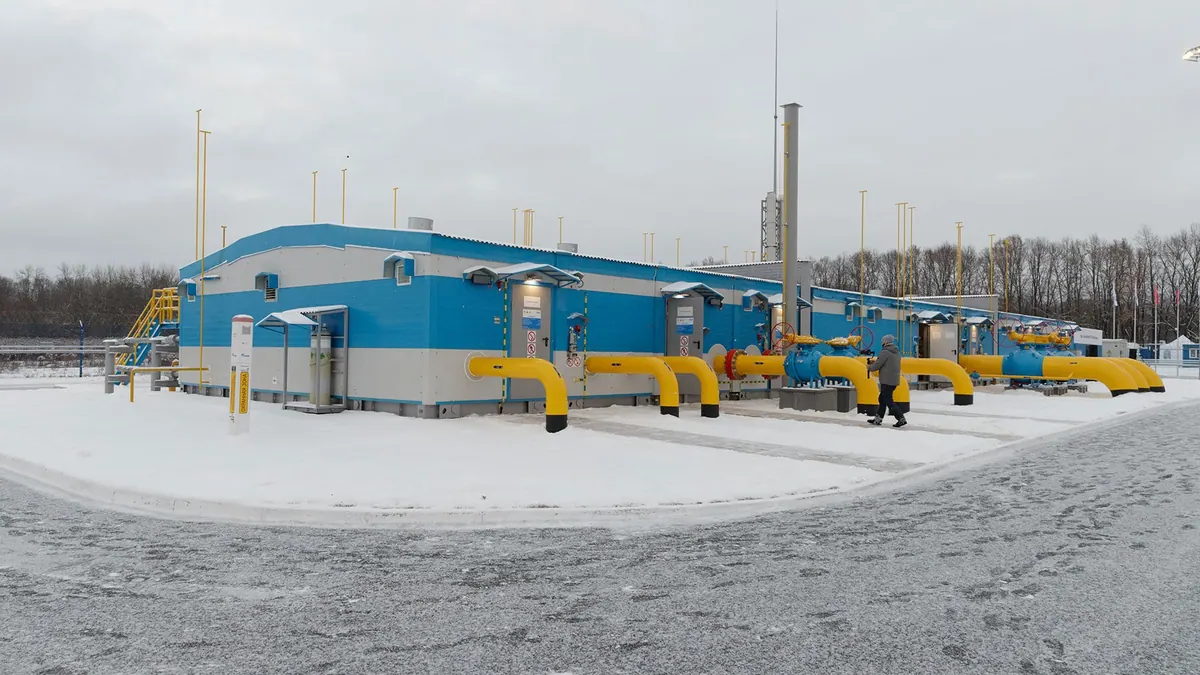
On 26 July 2022 the Council of the European Union agreed a plan to reduce gas consumption: Member States will voluntarily cut demand by 15% in the period from 1 August 2022 to 31 March 2023, compared with the average of the previous five years. Should supplies from Russia be sharply curtailed, the Council will be able to declare a "Union alert", which would make the reduction mandatory. The agreement is a response to fears that the winter of 2022/23 will bring gas shortages.
What is changing
The Commission presented the "Save gas for a safe winter" proposal on 20 July 2022. After negotiations it was agreed that the reduction would be voluntary, but with a mechanism for triggering the obligation. Exceptions were provided for, among others, countries not connected to the EU gas system and countries whose industry is particularly dependent on gas. The targets are to be achieved through savings in buildings, fuel switching in industry and heating, and the development of alternative sources, including biomethane and hydrogen.
The rules are to be formally adopted as a Council regulation. Member States are obliged to report on progress towards the target and to present contingency plans.
Significance for the industry in Poland
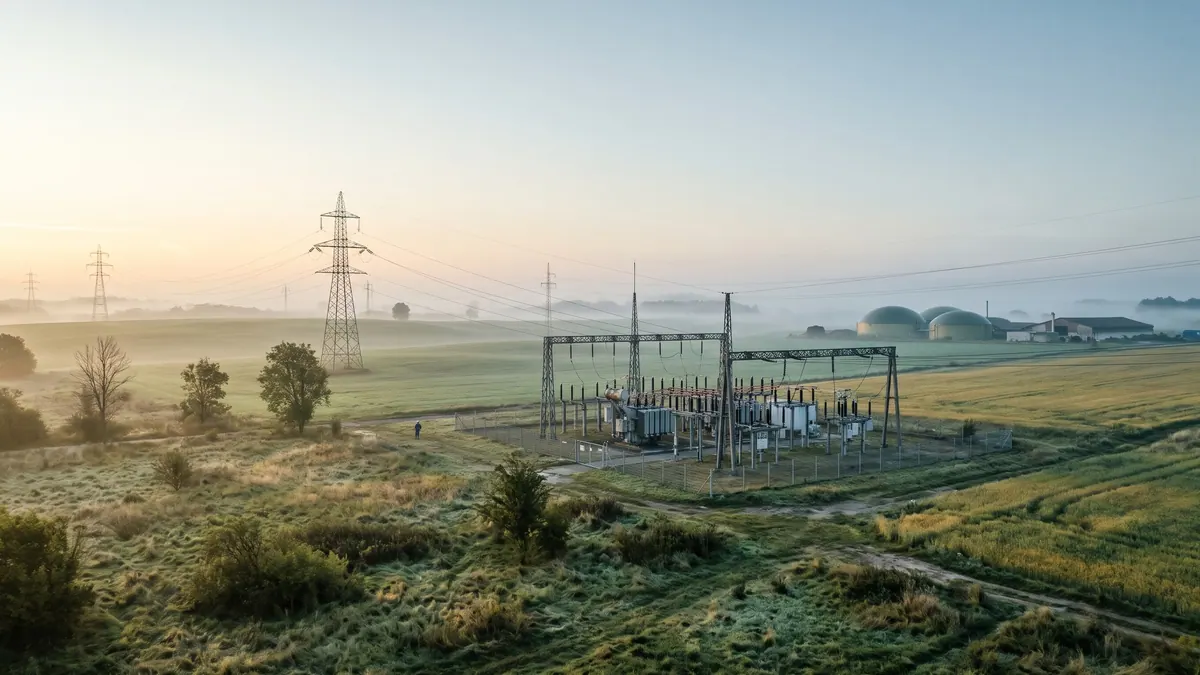
Poland, with a high level of storage filling and alternative sources of supply, argued for a lenient approach. For the domestic market, the rules on exceptions and the definition of a "Union alert" are important. For industry and district heating, saving gas means investment in efficiency and fuel switching. In this context interest is growing in local sources of gas, including biogas, which replaces natural gas in cogeneration and, after upgrading, in the grid.
Biomethane will not solve the crisis within a single winter, but a demand reduction policy increases the value of every additional source. For biogas plants this means potential interest from industrial customers in long-term contracts for biomethane or heat.
What a "Union alert" means
A Union alert may be declared by the Council at the request of the Commission; at least five Member States may ask the Commission to submit such a proposal where there is a substantial risk of severe gas shortages or of exceptionally high demand. The voluntary reduction then becomes a mandatory target for Member States. The mechanism is meant to act as a safety valve and an incentive for earlier savings, because countries that cut consumption earlier reduce the risk of having to introduce harsher measures.
Saving gas in practice
The greatest savings can be achieved in building heating, heat and power generation, and in industry, where fuel switching is possible. For heating plants and industrial facilities, biogas or biomethane can be a local substitute for part of the natural gas. The conditions are the availability of an installation nearby and the possibility of connecting to the grid or direct offtake.
What next
Member States are to present savings plans, and the Commission will monitor implementation. Two things matter for biogas plants: whether national plans include support for local gas sources, and whether the Polish administration speeds up work on the legal framework for biomethane.
Sources
Related articles