Russia attacked Ukraine. The gas crisis changes the calculation for biogas and biomethane
On 24 February 2022 Russia began its invasion of Ukraine, and gas prices in Europe rose sharply. For biogas and biomethane this event shifts the debate from climate to security of supply.
Other language versions: polski.

On 24 February 2022 Russia began an armed invasion of Ukraine. For the European gas market this is a turning point: wholesale prices rose sharply, and the discussion about becoming independent of Russian supplies stopped being theoretical. For the biogas and biomethane sector this means that arguments about security of supply and energy independence are becoming as important as climate arguments.
What changes
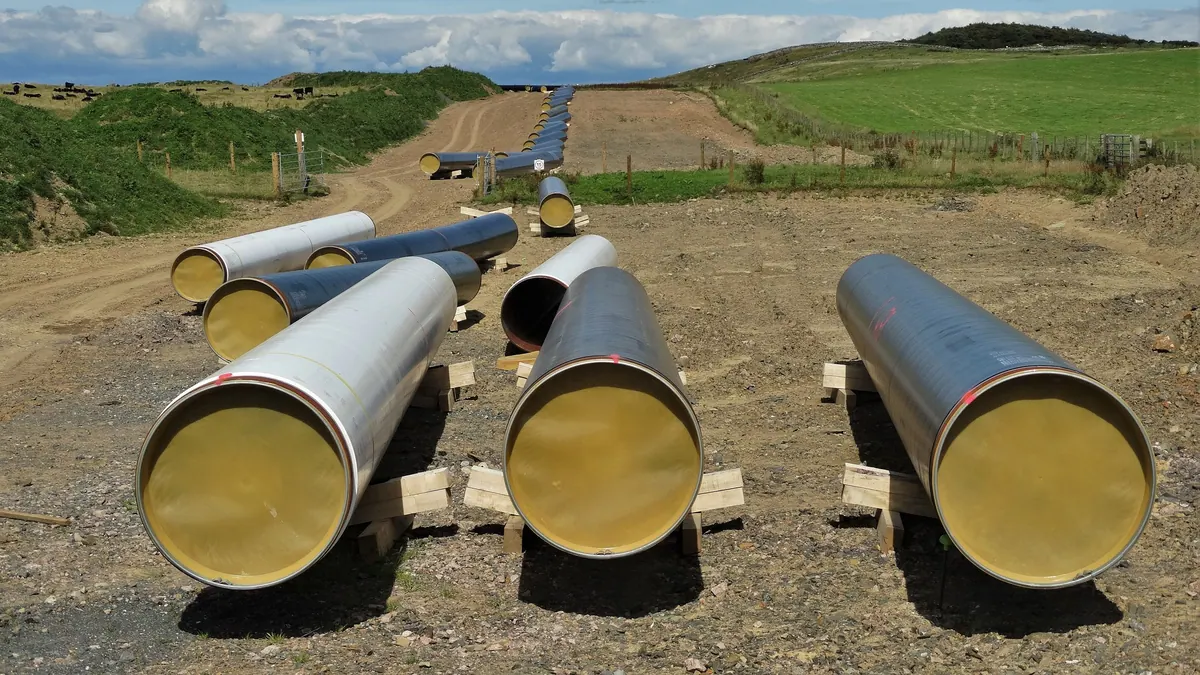
Russia was the largest supplier of natural gas to the European Union, covering about 40% of EU consumption. Already on the day of the attack, gas quotations on the Dutch TTF exchange went up by several dozen per cent, exceeding €100 per MWh. The market is reacting to the risk of pipeline supplies being interrupted, and to rising demand for LNG, which has to be brought in by sea.
Renewable gas produced in Europe – biogas and biomethane – is not a panacea here, because its scale today is small compared with total consumption. It does, however, have two features valuable in a crisis: it is produced locally, from feedstocks available on the spot, and it can be delivered to existing gas infrastructure.
Significance for the industry in Poland
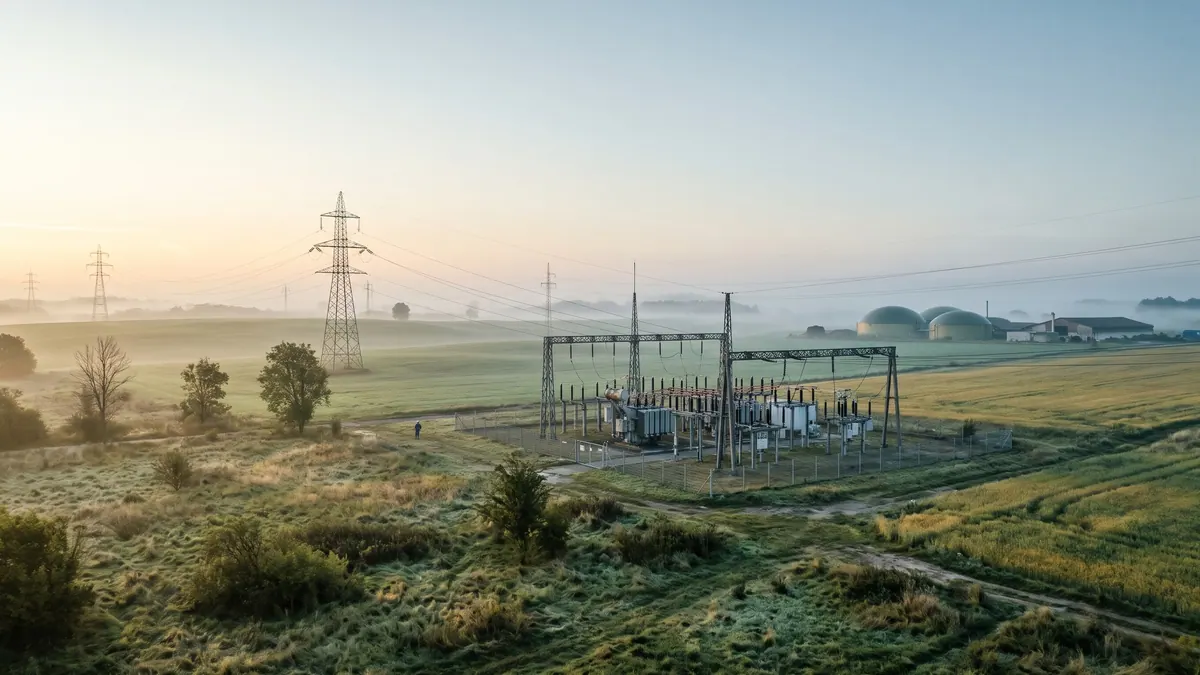
Poland has the Yamal contract with Gazprom, which expires in 2022, and had already pursued a diversification policy: the LNG terminal in Świnoujście, the Baltic Pipe gas pipeline, interconnectors. In this situation every cubic metre of gas produced domestically improves the security balance. Agricultural and waste-processing biogas plants today produce mainly electricity and heat, but some of them can switch to biomethane after modernisation.
High gas prices improve the profitability of biogas upgrading: the more expensive fossil gas is, the easier it is for biomethane to compete. What is lacking, however, is the legal framework – a definition of biomethane, a register of producers and guarantees of origin – which in Polish law is only now taking shape.
The scale and limits of biogas
Proportions must be kept. Production of biogas and biomethane in Europe is counted in billions of cubic metres a year, while total EU gas consumption exceeds several hundred billion. Biomethane will therefore not quickly replace Russian gas, but every additional installation reduces the need for imports. In the short term the greatest impact comes from savings, refilling stocks, LNG supplies and diversification; in the medium term – from developing domestic sources, including renewable gases.
Biogas also has system advantages: it can be produced evenly throughout the year, it is storable, and the by-product – digestate – reduces agriculture's dependence on nitrogen fertilisers, whose prices are also rising along with gas prices.
What next
The European Commission announced a package of measures to reduce dependence on Russian gas, and the International Energy Agency is preparing recommendations for the EU. For the biogas sector, the most important thing will be whether the new plans include a specific target for biomethane and instruments to support it. It is also worth following Polish work on the amendment to the Act on Renewable Energy Sources and decisions on connecting biomethane installations to the grid.
Sources
Related articles