BioLNG and bioCNGEvent
India: a bio-CNG plant for 550 t of waste per day, described as the largest in Asia, opens in Indore
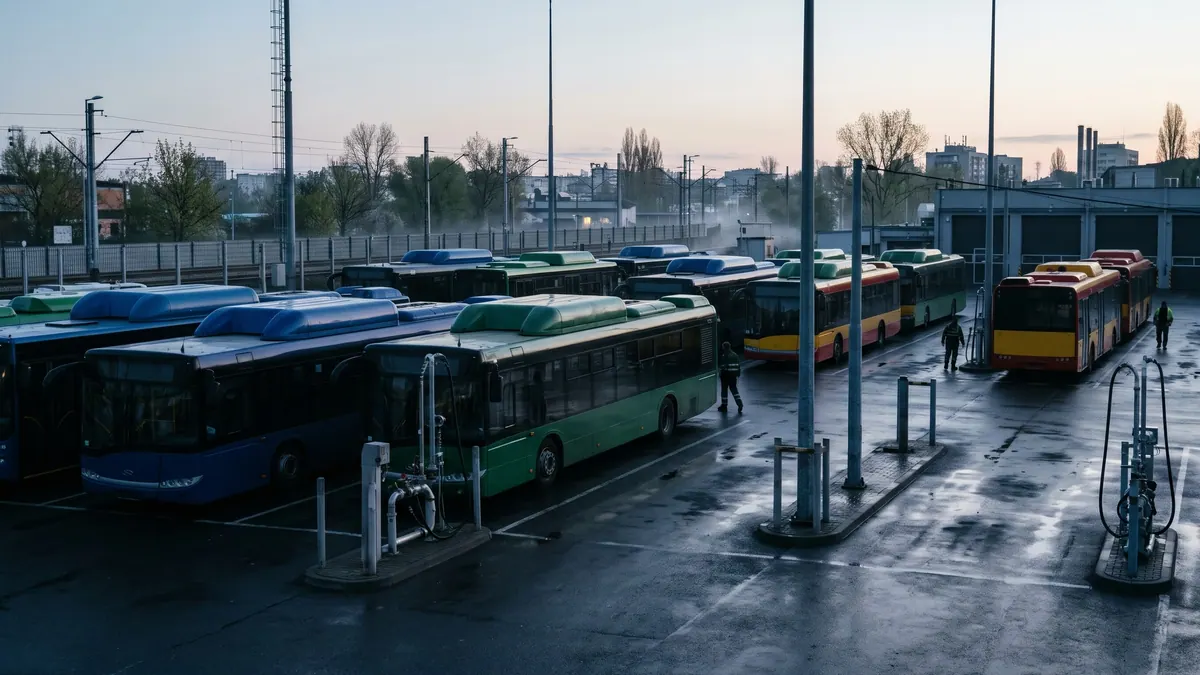
On 19 February 2022 Prime Minister Modi remotely opened in Indore a bio-CNG plant processing 550 t of segregated organic waste per day. The gas is to power, among others, city buses.
Other language versions: polski.
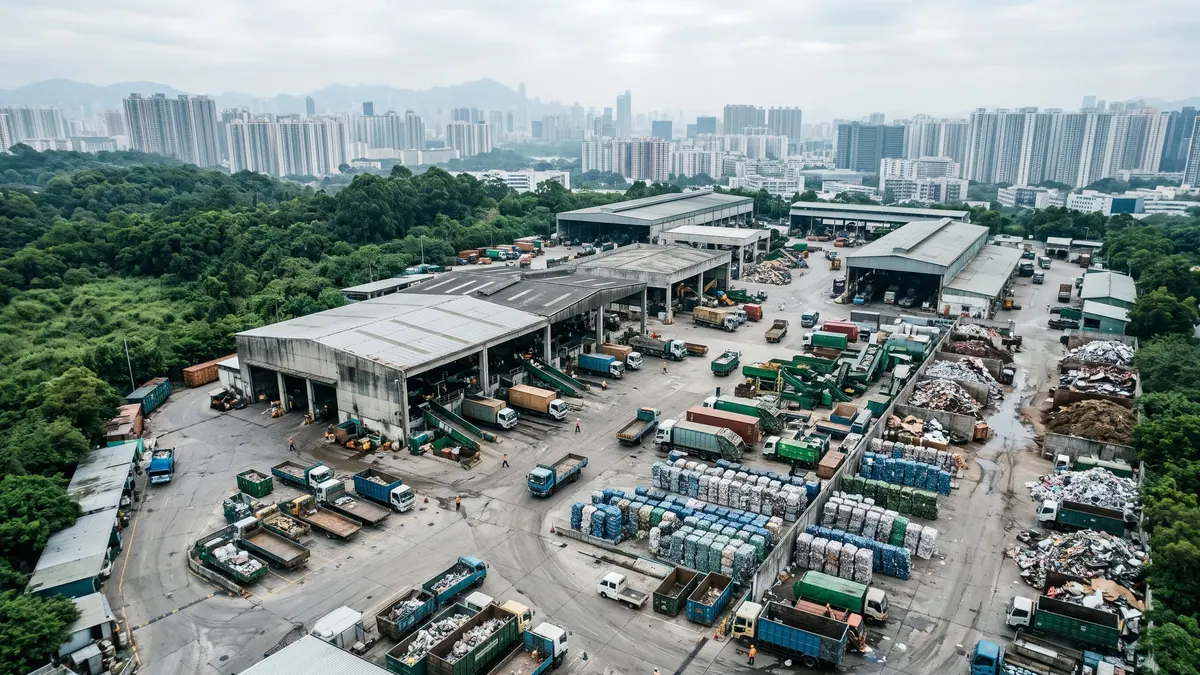
Indian Prime Minister Narendra Modi remotely opened on 19 February 2022, in the city of Indore (Madhya Pradesh state), a bio-CNG plant with a processing capacity of 550 t of segregated organic waste per day. The facility, described by the media as the largest of its kind in Asia, operates under a public-private partnership model and is part of the GOBARdhan initiative.
What the plant produces
According to The Wire's report, based on information from the Prime Minister's Office, once at full capacity the plant is to produce 17,000 kg of bio-CNG and 100 t of organic compost per day. IAmRenew reported "more than 15,000 kg" of compressed biogas (CBG) and also 100 t of organic fertiliser per day. The discrepancy between 15 and 17 thousand kg probably results from different assumptions or from rounding; we were unable to open the official Press Information Bureau (PIB) release.
Who pays and who buys the gas
The plant was built under a PPP model between the Indore Municipal Corporation (IMC) and a private company, which according to The Wire invested about 150 crore rupees. According to the government, IMC is to take half of the bio-CNG produced to power about 400 city buses, and the rest is sold on the open market; The Wire gave the price at the time as 77 rupees per kg. The operator pays the city a royalty of 2.52 crore rupees per year, and in return IMC is to supply waste of at least 90% purity. The waste is tested before being fed into the digester.
Why Indore
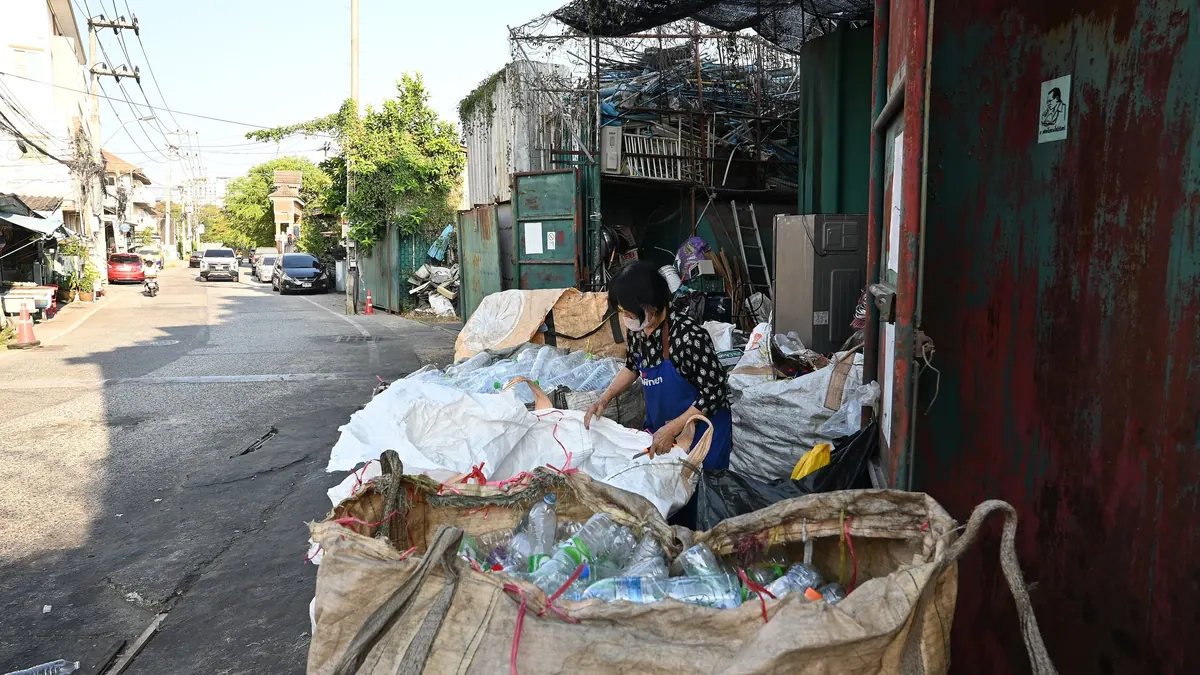
Experts cited by The Wire pointed out that the success of such plants depends on segregation at source: without a clean stream of organic waste and a stable feedstock composition, digestion is unstable. According to these reports IMC has ensured 100% segregation of household waste since 2016, which gives Indore an advantage over cities where waste arrives mixed. The authors of the text also cited the case of Bengaluru, where about 15 small plants (up to 5 t per day), commissioned in 2016, stopped operating because they were unprofitable and used unsuitable technology. The Indore plant is built with German technology, and its glass-fused-to-steel tanks are meant to limit leaks.
Background: the SATAT programme and the scale of the challenge
When the plant opened, according to The Wire, only 14 CBG plants had been commissioned in India under the SATAT programme, of which only three processed municipal waste. The same text cited one estimate that 80–90% of municipal waste in India goes to landfill, and another estimate that only five of 29 states (as stated in the source; since 2019 India has had 28 states) segregate waste at source.
Announcement of replication
At the inauguration the Prime Minister announced the construction of such plants in 75 large local authorities within two years. The task for the remaining cities will be not only to build digesters, but also to guarantee segregation, feedstock quality and offtake of the gas.
What this means for Poland and Europe
The Indore model — segregation at source, gas for public transport and compost — is similar to European solutions in cities that power buses with biomethane. The example shows that the key resource is a predictable, clean stream of biowaste and a commitment by the local authority to take the gas, rather than the technology alone.
Sources
- The Quint — Indore: PM Narendra Modi inaugurates Asia's biggest Bio-CNG plant
- The Wire — Here's why the new Indore bio-CNG plant is likely to succeed, though others like it haven't
- IAmRenew — PM Modi inaugurates EverEnviro's BioCNG plant in Indore
- AgroSpectrum India — PM inaugurates municipal solid waste based Gobar-Dhan plant in Indore (PTI)
Related articles