The European Council endorses an emissions reduction target of at least 55% by 2030
At the summit of 10–11 December 2020, EU leaders endorsed a binding target of cutting net emissions by at least 55% by 2030 compared with 1990 and announced its rapid implementation in law.
Other language versions: polski.

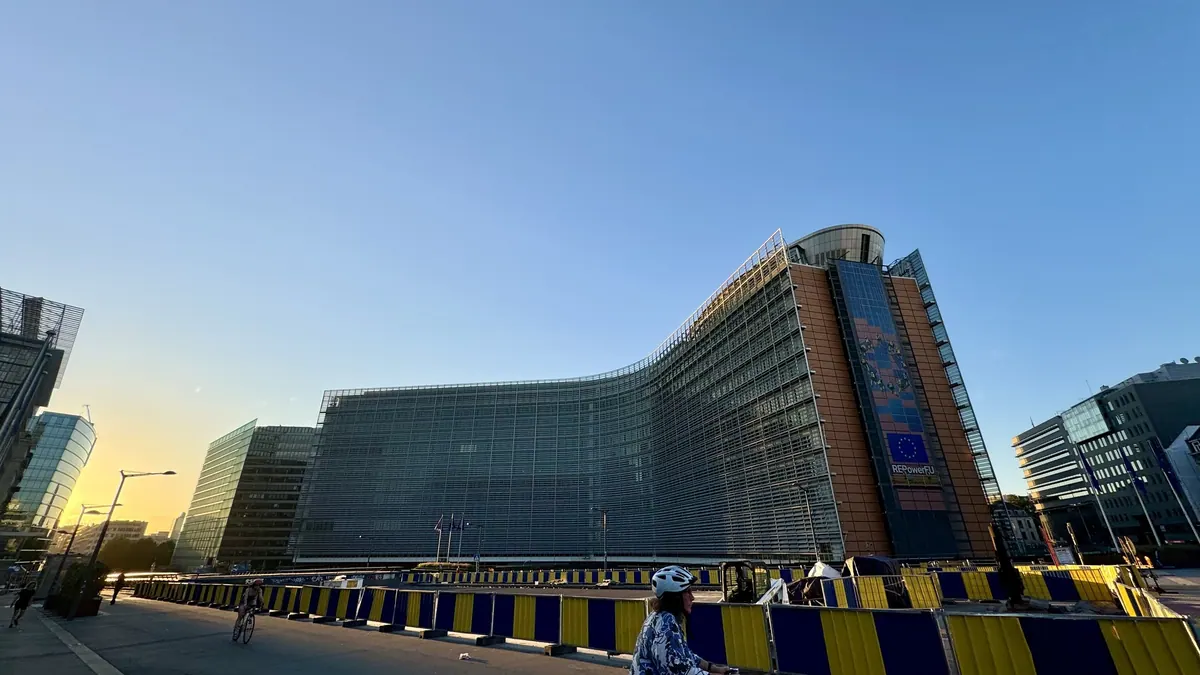
On 11 December 2020, the European Council endorsed a binding EU target of reducing net greenhouse gas emissions by at least 55% by 2030 compared with the 1990 level. The decision was taken at the summit in Brussels (10–11 December) and opened the way for the new target to be written into European climate law and for the whole package of energy and climate legislation to be revised.
What was agreed
The leaders agreed that the target is to be binding for the whole Union and achieved collectively by the Member States. The conclusions stressed that fairness, solidarity and the different starting points of countries must be taken into account in sharing the effort. The Council called on the Commission to present the necessary legislative proposals, including a review of the emissions trading system and of the rules on effort sharing in sectors outside the ETS, together with an in-depth analysis of the impacts at Member State level.
The target concerns net emissions, which means that the removal of CO₂ by forests and land is counted in the balance. The previous target for 2030 was 40%.
Poland's position
Poland sought confirmation of the role of natural gas as a transitional fuel, a guarantee of funds for the transition of coal regions, and consideration of national circumstances in the distribution of the target. The conclusions noted the need to take into account the situation of countries with a high share of fossil fuels.
Significance for biogas, waste and agriculture
Raising the target to 55% means that all sectors will be forced to reduce emissions faster. For agriculture and waste management, this means greater pressure to limit emissions of methane and nitrous oxide, and therefore to adopt solutions such as the digestion of manure and slurry, the management of biowaste and the capture of landfill gas. For the energy sector, it means a faster pace of decarbonisation, which increases the importance of renewable carriers, including biogas and biomethane in heating, industry and transport.
A higher target also means higher prices of CO₂ emission allowances in the ETS, which improves the position of renewable fuels relative to fossil ones. For biogas producers who sell heat or gas, this may mean better market conditions.
What next
After the European Council's decision, the Commission was to present a package of legislative proposals in 2021, while the European Parliament and the Council were to negotiate the details. Member States, including Poland, were preparing to update their national energy and climate plans and for negotiations on effort sharing. It was also announced that the target would be written into the climate law, the negotiations on which were running in parallel.
Why "net"
The wording "net" has great practical significance. It means that part of the effort can be achieved by increasing CO₂ removals in forests and soils, rather than solely by reducing emissions in the economy. With this approach, the importance grows of agricultural practices that increase soil carbon content, including the application of organic matter and organic fertilisers such as compost or digestate, provided they are applied in accordance with water protection rules.
Sources
Related articles