Law and regulationEvent
The RED III proposal: a 40% RES target in 2030 and new rules for biogas, hydrogen and biomass
The Commission proposed amending the Renewable Energy Directive: a binding 40% target in 2030, new sub-targets in transport and industry, and tightened sustainability criteria for bioenergy.
Other language versions: polski.
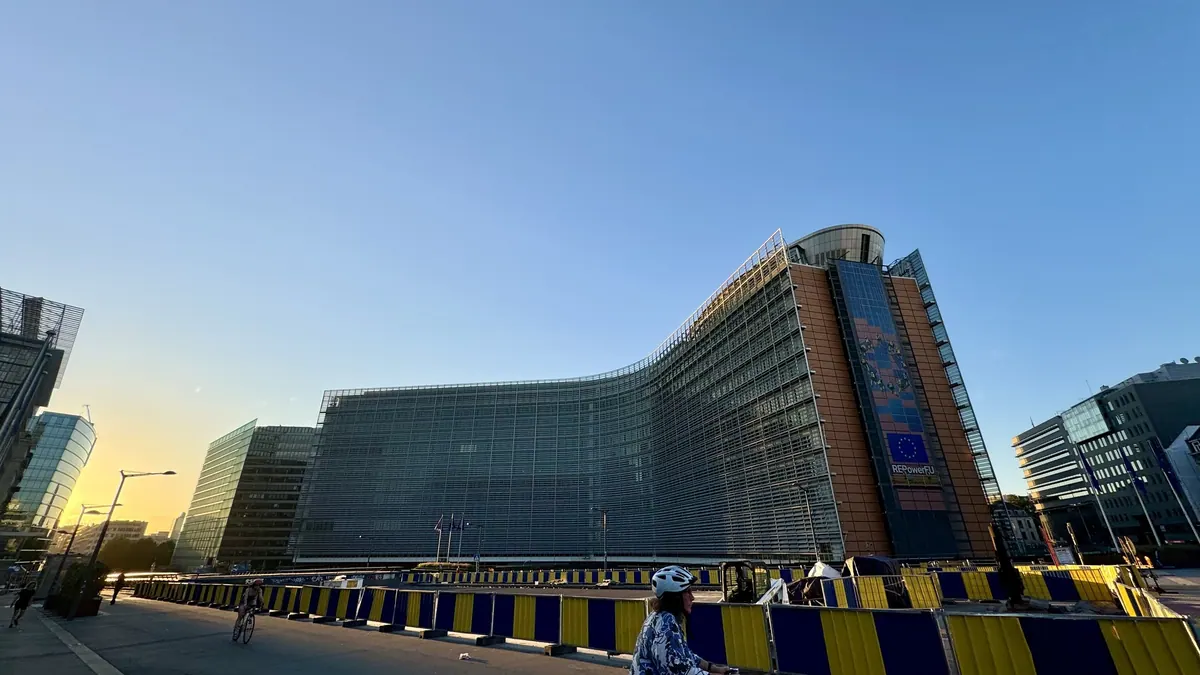

On 14 July 2021 the European Commission proposed amending the Renewable Energy Directive (RED II), i.e. the draft known for short as RED III (COM(2021) 557). The most important change: a binding 40% share of RES in gross final energy consumption in the EU in 2030, instead of the current 32%. The proposal also changes the sectoral targets and the rules on biomass, biogas and hydrogen.
Key proposals
| Area | Commission proposal |
|---|---|
| Overall target | at least 40% RES in 2030 |
| Transport | instead of the 14% target – a 13% reduction in fuel emission intensity by 2030 |
| Advanced biofuels and biogas (Annex IX Part A) | sub-target of 2.2% in 2030 |
| Renewable fuels of non-biological origin (RFNBO) | sub-target of 2.6% in transport in 2030 |
| Industry | increase in the RES share of 1.1 percentage points per year; 50% of hydrogen from RES by 2030 |
| Buildings | indicative target of 49% RES in 2030 |
| Heating and cooling | binding increase of 1.1 percentage points per year |
Tightening of the sustainability and emission reduction criteria for bioenergy, in particular for forest biomass, and a limit on support for the burning of high-quality wood were also proposed.
What it means for biogas and biomethane
In the Commission's approach, biogas and biomethane from waste and residues (listed in Annex IX) are to play a complementary role to electrification. The value of the sub-target for advanced biofuels and biogas in transport (2.2%) and the way it is calculated differ from RED II, where 3.5% was set for 2030, so the two figures should not be compared directly. The proposal does, however, strengthen the role of RFNBO, i.e. hydrogen and synthetic fuels, which may compete with biomethane in some applications.
The proposal also contains changes concerning guarantees of origin and the integration of energy systems. For biomethane producers, the provisions on grid connection and on fuel certification, which are meant to facilitate cross-border trade, are important.
Significance for Poland
Raising the target to 40% requires Poland to develop RES much faster than assumed by Poland's Energy Policy to 2040 (23% in 2030). For agriculture and waste management, the targets in heating and transport are important, where biogas can complement other technologies. Tightening the criteria for forest biomass would mean the need for changes in wood burning in Polish power plants.
What next
The proposal required agreement in the European Parliament and the Council. The biogas industry announced it would lobby for a higher sub-target for biogas and biomethane and for clear grid connection rules. The value of the final targets was to depend on the negotiations.
Sources
Questions and answers
What are RFNBO?
They are renewable fuels of non-biological origin, mainly hydrogen produced from renewable electricity and synthetic fuels made from it. They are not produced from biomass.
Related articles