BiomethaneEvent
UK extends Green Gas Support Scheme to March 2028
Following its mid-term review, the UK government announced an extension to 31 March 2028 of the application period for the tariff scheme for biomethane injected into the grid. The rules for heat pumps have also changed.
Other language versions: polski.
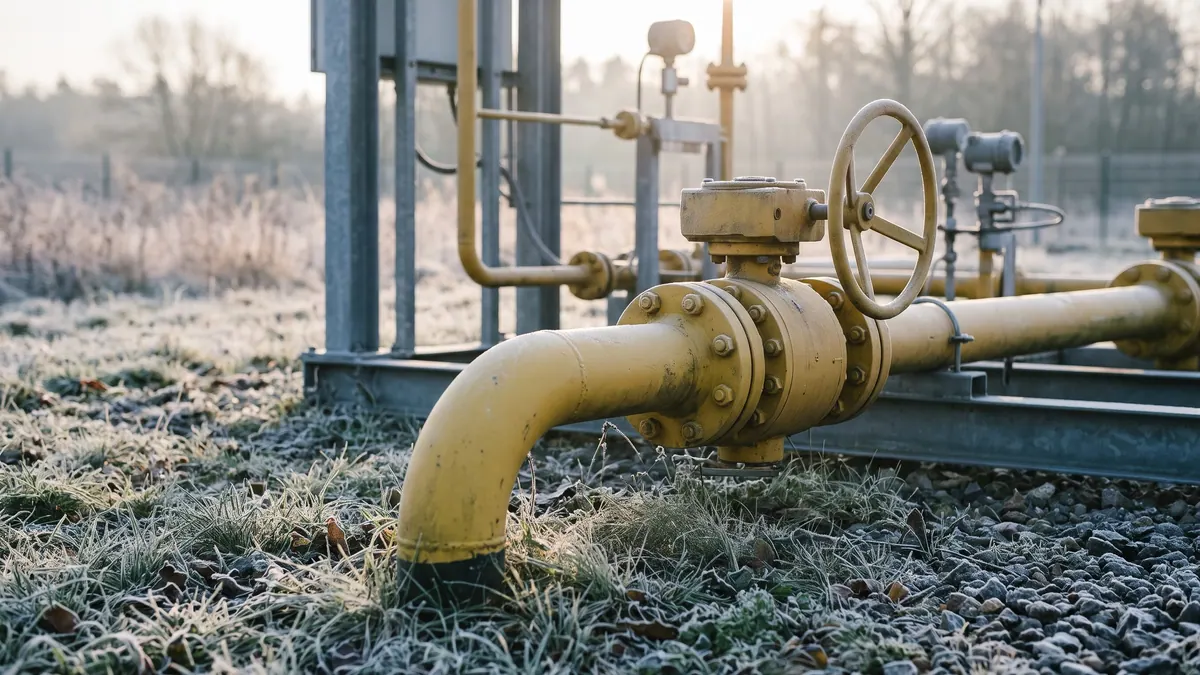
On 26 January 2024 the UK government announced an extension of the period for accepting new applications under the Green Gas Support Scheme (GGSS) to 31 March 2028 (tariffs are paid for up to 15 years). The decision followed the scheme's mid-term review and responded to signals from the industry: investors had trouble securing waste feedstocks and faced delays in equipment deliveries.
What is changing
The GGSS is a tariff scheme paid for biomethane injected into the gas grid. The support is financed by gas suppliers through a charge known as the Green Gas Levy, not from the state budget. The scheme was originally to accept new applications only until the end of 2025, so for projects still at the preparation stage the margin of time was very narrow.
The extension is not the only change announced after the review:
- Heat pumps. Heat supplied by qualifying heat pumps will be excluded from the deduction applied when calculating the biomethane eligible for the tariff. In practice, an operator supplying the plant with heat from a heat pump can expect higher payments.
- Feedstocks. The requirement that at least half of the feedstock come from waste was retained. The requirements on digestate management were also left unchanged.
- Cogeneration. Conversions of CHP installations to biomethane remain outside the scheme, although the government announced it would consider the role of cogeneration in the future policy framework for biomethane.
- Methane. The administration declared inter-departmental cooperation on a better understanding of monitoring and reducing methane emissions in biomethane production.
The tariff guarantee periods and commissioning windows were not changed by the extension of the scheme itself. The regulatory changes were to be introduced in spring 2024, as parliamentary time allows.
Significance for the industry in Poland
The British mechanism is a useful reference point for the Polish discussion on a biomethane support system. In Poland at the beginning of 2024 there was not yet a single biomethane plant injecting gas into the grid, and support for larger installations was only being designed. The GGSS example shows three things: first, operating support in the form of a tariff or premium works well alongside an investment grant; second, a criterion on the share of waste in the feedstock can be a condition of access to support; third, a system that is "on time" needs adjustments when the market for feedstocks and equipment changes.
For Polish producers of biogas upgrading equipment and for gas operators, it is also relevant that the United Kingdom remains one of the markets where biomethane competes for the same membrane, PSA and amine scrubber installations as the continent.
What next
As announced, the regulatory changes are to be introduced in spring 2024, as parliamentary time allows. For readers following the development of regulation, the main conclusion is that the biomethane market in Europe is maturing through "extensions and adjustments" rather than one-off decisions. Investors should watch whether the government decides to widen the plant commissioning window still further and how it will treat cogeneration in the future biomethane policy framework. It is also worth checking how the changes to the tariff calculation for heat pumps will affect the heat balance of a typical plant.
Sources
Questions and answers
What is the Green Gas Support Scheme?
It is a British system of tariffs paid for 15 years for biomethane injected into the gas grid, financed from a charge (the Green Gas Levy) imposed on gas suppliers. It replaced older support mechanisms and is open to anaerobic digestion installations.
Related articles