BiomethaneEvent
British Columbia: FortisBC targets 15% renewable gas by 2030 and proposes RNG for new homes
On 20 January 2022 FortisBC applied to the regulator to supply 100% renewable gas to all new homes; the company is on track to exceed its target of 15% renewable gas by 2030.
Other language versions: polski.
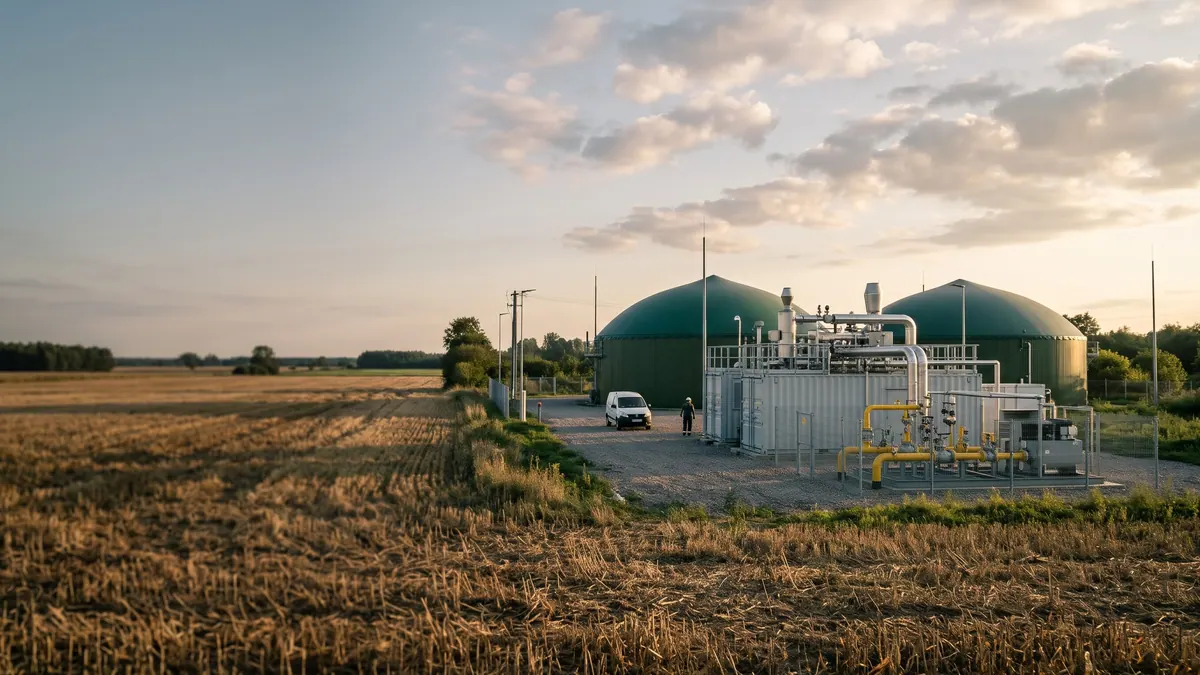
FortisBC, the gas distributor in British Columbia, proposed in January 2022 that all new customers receive 100% renewable gas. The proposal fits the company's target: reaching 15% renewable gas in supply by 2030; according to the announcement the company is on track to exceed this target and is aiming for about 75% by 2050.
Regulatory basis
Renewable gas at FortisBC means low-carbon and carbon-neutral gases or fuels that the company may obtain under the provincial Greenhouse Gas Reduction (Clean Energy) Regulation: renewable natural gas (RNG, biomethane), hydrogen, synthesis gas and lignin. The regulation allows the company to purchase more expensive renewable gas and to recover the costs in tariffs, within limits set by the regulator.
Growth in supply
According to the FortisBC announcement, the company tripled the supply of RNG in its system during 2021 and expected similar growth in 2022. The FortisBC website lists, among the biomethane purchase agreements of 2020, an agreement with Lethbridge Biogas. The company declared that it was on track to exceed the target of 15% renewable gas by 2030.
Proposal for new homes
On 20 January 2022 FortisBC filed an application with the regulator (British Columbia Utilities Commission, BCUC) for every newly built home connected to the gas grid to automatically receive 100% renewable gas for the whole life of the building. The application also assumes that existing individual customers would receive a small percentage of renewable gas from 2024. The idea was meant to be a way of securing demand for RNG and reducing emissions from building heating without the need to replace installations. The proposal was subject to assessment by the BCUC; we have not found in an open source the regulator's final decision.
Why this matters for biomethane
For biogas producers, a steady, regulated buyer of RNG means guaranteed demand and predictable revenue. The province is also a participant in the fuel credit market, so biomethane can benefit from several sources of value.
What this means for Poland and Europe
The model of a "mandatory share of renewable gas in the grid" is similar to the biomethane quota mechanisms discussed in the EU. The example of British Columbia shows that the key is to ensure that the cost of the more expensive gas is recovered in a way acceptable to consumers and the regulator.
Sources
Related articles