BiomethaneAnalysis
Quebec: a mandatory share of biomethane in the gas grid — from 1% in 2020 to 10% in 2030
An analysis of the Quebec regulation forcing a share of RNG in distributed gas: 1% from 2020, interim targets and 10% in 2030 (according to IEDM 2032 in brackets), and discrepancies over the timetable and delivery.
Other language versions: polski.
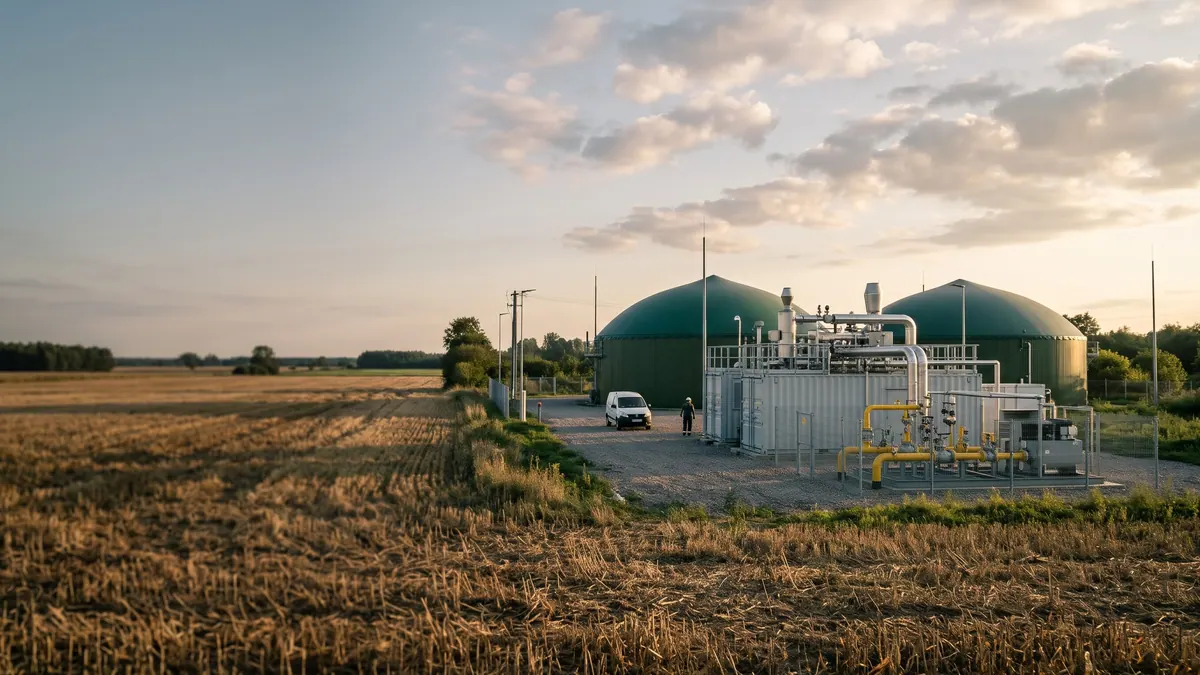
Quebec is one of the few jurisdictions in North America that have obliged gas distributors to deliver a specified share of gas from renewable sources (RNG). According to the summary by the think tank IEDM, based on the regulation respecting the quantity of gas from renewable sources to be delivered by a distributor (introduced in 2019), the minimum annual share is: 1% in 2020, 2% in 2023, 5% in 2025, 7% in 2028 and 10% in 2030 (in brackets IEDM gives the year 2032).
How the obligation works
The target is expressed as a proportion of the average quantity of natural gas delivered in the three years preceding the rate year (IEDM). According to Énergir, the 2022 amendment also clarified that gas counted towards the targets must be delivered for final consumption exclusively within the distributors' territory. The obligation applies mainly to Énergir, which according to IEDM accounted for 97% of distribution in the province in 2025, and to Enbridge Gaz Québec.
The amendment and the dispute over dates
Énergir points out that the 2030 Green Economy Plan, announced in November 2020, foresaw raising the minimum share of RNG to 10% by 2030; the 2022 amendment introduced this threshold and a new interim target of 7% by 2028 (Natural Gas World confirms the 7% target by 2028). IEDM gives "2030 (2032)" in its summary and in the footnotes cites a draft amending regulation from the Gazette officielle du Québec of 22 April 2026. This can be interpreted as a proposal to push the 10% deadline back to 2032, but we were unable to open the text of the regulation or the draft (the LégisQuébec site blocks automated access), so the discrepancy remains unconfirmed. Before citing the 10% deadline, the current text should be checked in LégisQuébec and the Gazette officielle.
Degree of delivery
IEDM, which is critical of the policy, claims that the share of gas from renewable sources was a mere 0.5% of the province's total natural gas consumption in 2024–2025 (the author's own calculation). Because the source is polemical in nature, the figure should be treated as a claim, not as official data. If it were true, however, it would mean a lag behind the targets set out (2% in 2023 and 5% in 2025).
An example of the division of responsibility
In the Quebec model, responsibility for meeting the target rests with the distributor, not with the producers. The distributor concludes purchase agreements with biogas and biomethane producers, and the cost of the more expensive gas is included in tariffs approved by the regulator (Régie de l’énergie). Such an arrangement reduces the market risk for producers but shifts it to gas consumers and to the distributor, who must show that it has access to sufficient volumes. When projects are not built at the pace assumed by the regulation, pressure grows to change the targets, postpone them or broaden the definition of qualifying gas.
Key questions for assessing the policy
- Are the targets linked to the real potential of substrates in the province (manure, biowaste, sludge, landfill gas)?
- How have the costs of connection and upgrading for small agricultural installations been taken into account?
- Are independent data on deliveries published regularly enough for progress to be assessed?
- How is "gas produced in Quebec" defined, and are imports permitted?
In a policy based on percentage targets it also matters what base the share is calculated from: if total gas deliveries fall (e.g. as a result of electrification of heating), the same volume of RNG means a higher percentage share, and the target becomes easier to meet without additional investment in production.
Conclusions
An obligation for a share of RNG in the grid has two advantages: it creates predictable demand and directs support to local production. The drawbacks are the higher cost of gas recovered in tariffs, the risk of failing to meet the targets and the need to ensure a sufficient quantity of substrates. Reporting and independent data on actual deliveries are key to assessing effectiveness.
What this means for Poland and Europe
In the EU similar "biomethane quota" mechanisms in the grid are being considered (e.g. in France, a system of obligations and biomethane production certificates). Quebec shows how important it is to link percentage targets to the real potential of substrates and how easily interpretive discrepancies arise when the timetable is changed — so it is worth publishing consistent, up-to-date summaries of targets.
Sources
- Énergir — Énergir welcomes the amendment to the Regulation respecting the quantity of renewable natural gas to be delivered by a distributor (31.08.2022)
- Natural Gas World — Quebec increases RNG target for distributors (2.09.2022)
- IEDM — Let’s repeal Quebec’s policy on gas from renewable sources (27.04.2026)
Related articles