Technology and operationAnalysis
Biogas in Central America and Cuba: several small projects and one common problem of scale
An overview of several documented projects: 6 MW of landfill gas at Nejapa (El Salvador), a 1 MW installation at a wastewater treatment plant in Managua, a small CHP unit in Costa Rica and the first biomethane installation in Cuba — and conclusions on scale.
Other language versions: polski.
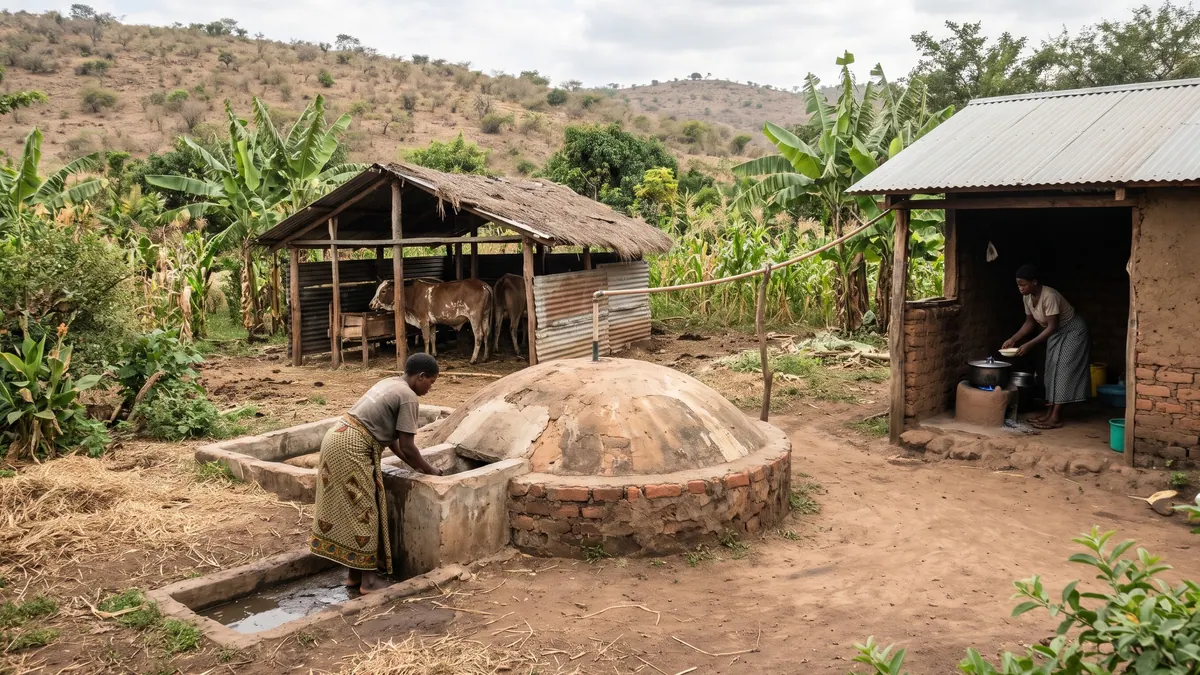
Biogas in Central America and the Caribbean is developing mainly in the form of small projects, with capacities from several hundred kilowatts to a few megawatts. The examples that could be confirmed in sources are the Nejapa landfill gas power plant in El Salvador (6 MW), a 1 MW installation at a wastewater treatment plant in Managua, a slurry installation in Costa Rica with a 250 kW CHP module and the first Cuban biomethane plant in Martí. Not all sources give start-up dates, so operating status must be checked individually.
El Salvador: landfill gas at Nejapa
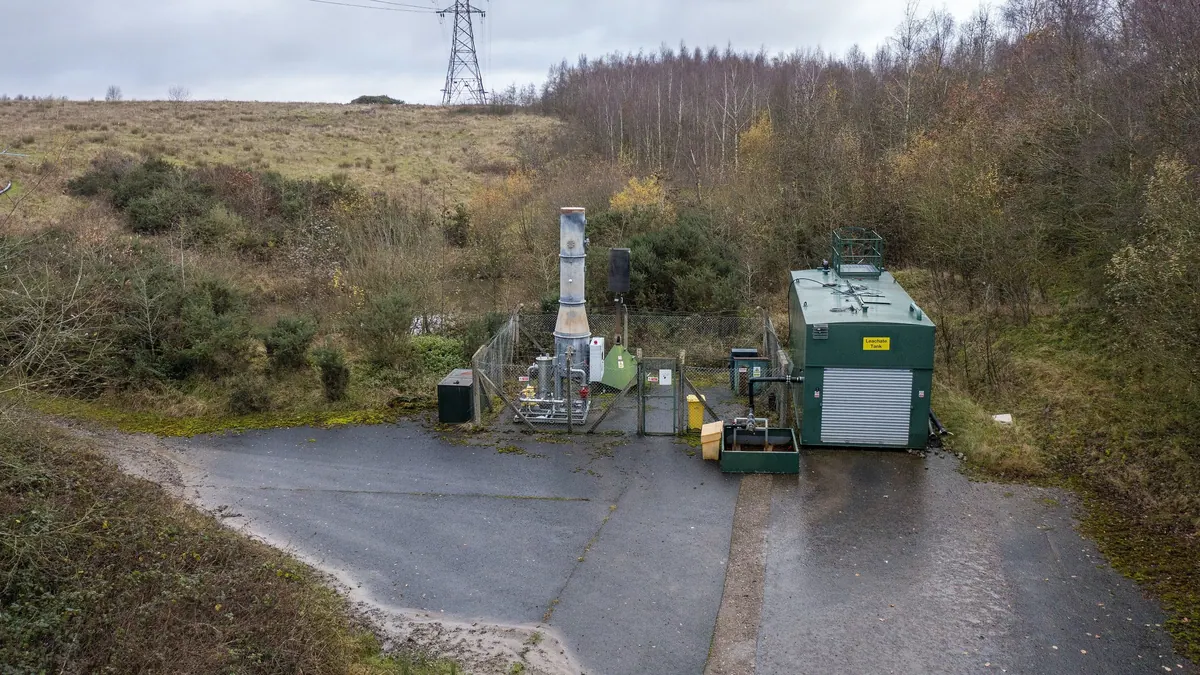
According to the AES El Salvador website, the power plant in the municipality of Nejapa has an installed capacity of 6 MW and generates energy from biogas obtained from a sanitary landfill. The gas is collected and directed to the power plant, which prevents it from escaping into the atmosphere. The site does not give the start-up date, the quantity of gas collected or the emission reduction.
Nicaragua: biogas from the wastewater treatment plant in Managua
Prensa Latina, citing the newsletter Informe Pastrán, wrote on 26 November 2025 that Nicaragua has the first installation in Central America generating electricity from biogas from wastewater treatment. The initiative was carried out by the water and sewerage company Enacal at the treatment plant in Managua, which serves more than 200 thousand families. The installation has a total capacity of 1 MW (five microturbines), of which three are working, covering 45–50% of the plant's electricity consumption. It is a "for own use" arrangement: biogas from sludge digestion powers the facility that produces it, and ultimately, with all five microturbines running, the treatment plant is to be energy self-sufficient.
Costa Rica: a small CHP on slurry
According to 2-G Energy, the installation built by INGENYA in cooperation with the German company AD Solutions uses mainly cattle slurry and feeds a containerised 2G Patruus 250 CHP module with a MAN engine of 250 kW electrical and 322 kW thermal output. The manufacturer contrasts this with the solutions of other developers in the region, who use gas generator sets to burn low-calorific biogas at very low efficiency. The scope of supply includes, among other things, controls, cooling, biogas drying and an activated carbon hydrogen sulphide filter. The source does not give the start-up date or actual energy production.
This example shows that in the region some developers choose proven, containerised cogeneration modules instead of simple generator sets, because the profitability of a small slurry installation is determined by biogas conversion efficiency and the availability of servicing.
Cuba: biomethane for buses
POWER Magazine (23 April 2026) reports that the state-owned company Cuba Petróleo (Cupet) announced in April 2026 that the first Cuban biomethane plant, in the municipality of Martí in Matanzas province, had entered the final stage of assembly and production. The plant is to produce biomethane for buses and electricity for its own use; the project is financed by the European Union through UNDP and coordinated by the Ministry of Economy and Planning. The processing capacity is 150 m³ of raw biogas per hour, which gives about 40 kg of purified biomethane (the article does not specify the time unit for this value). According to the municipal authorities, once it starts up, five buses are to serve connections between Martí and Cárdenas and Matanzas. The plan therefore envisages using biomethane in local public transport.
The common denominator: scale and support
In all the cases described the installations are small compared with European biogas plants. This means a higher unit investment cost, dependence on international support or on an energy buyer on site, and limited servicing know-how. In Managua this can be seen in the fact that only three of the five microturbines are working, and in Cuba – in the fact that POWER Magazine describes the plant only at the stage of final assembly and production.
What we do not know
Most of the sources cited lack start-up dates, data on actual production and the current state of the installations. We therefore treat the description as an overview of types of solutions, not a balance of the sector; investment analyses require data from operators and energy regulators in the individual countries.
What this means for Poland and Europe
For European technology suppliers the region is a niche but growing market. The conditions for success are compact solutions, remote servicing and financing models combining international grants with private capital. For Polish producers of small cogeneration and biogas cleaning installations it may be an export direction, if they provide after-sales support.
Sources
Related articles