Law and regulationEvent
USA: RFS "Set 2" for 2026–2027 — higher cellulosic volumes, end of eRIN
On 1 April 2026 the EPA published the RFS rule for 2026–2027: record volumes, about 1.36 billion cellulosic RINs in 2026 and the withdrawal of eRIN, which matters for landfill gas.
Other language versions: polski.

The "Set 2" rule of the US Environmental Protection Agency (EPA), published on 1 April 2026, sets Renewable Fuel Standard (RFS) volumes for 2026 and 2027. For biogas producers two threads matter most: the level of the cellulosic target (D3) and the abandonment of eRIN for electricity.
Volumes
According to the summary by the law firm Beveridge & Diamond, total requirements are 25.82 billion RINs in 2026 and 25.98 billion RINs in 2027. The EPA also finalised the reallocation of 70% of the volumes from suspended small refinery exemptions (SREs) for 2023–2025. According to secondary summaries, the total cellulosic target is 1.36 billion RINs in 2026 and 1.43 billion in 2027 (0.79 and 0.84%), that is above the proposal. RNG and biogas organisations argue, however, that the EPA based the D3 target on end-use constraints rather than on recent production growth, and that it did not shift SRE volumes into the D3 pool.
D3 RIN price
The D3 RIN price is key to revenue: biomethane from manure or landfills goes into transport and earns on RINs, as described in the post on RNG as a fuel. The EPA analyses assumed average prices for January–December 2025: D3 USD 2.40, D4 USD 0.95, D5 USD 0.99, D6 USD 0.91. These are analytical assumptions, not current quotations.
End of eRIN
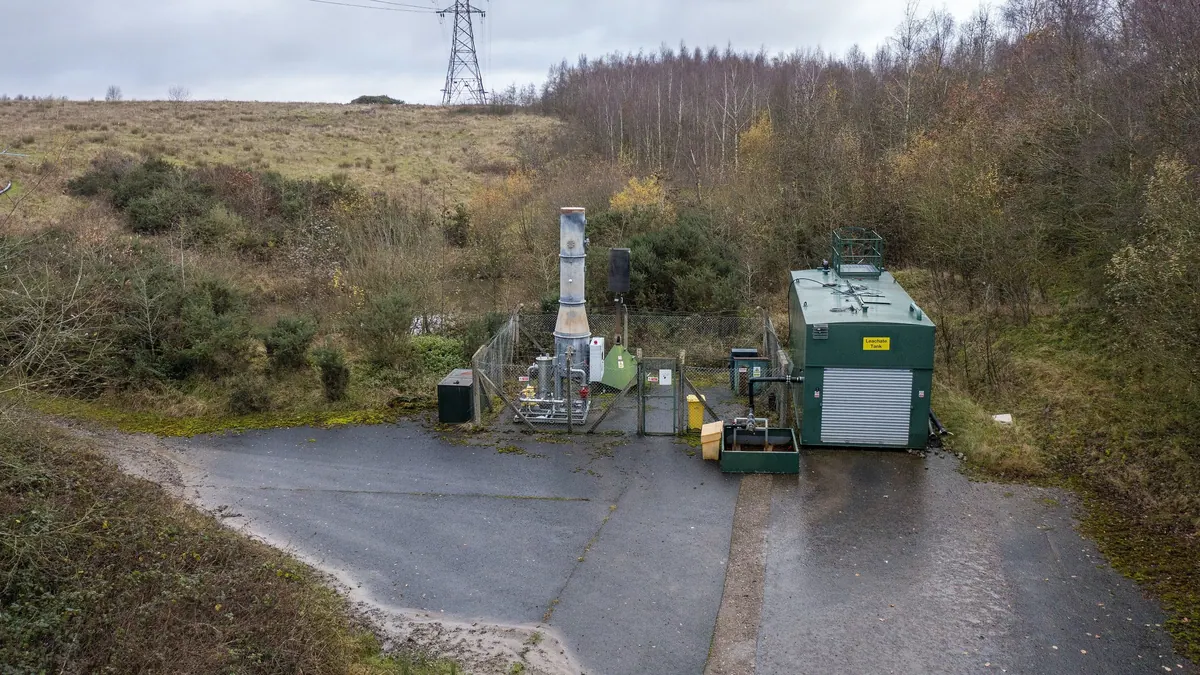
The EPA is withdrawing its earlier decision that electricity can generate eRINs. It justifies this by saying that the statute does not allow renewable electricity to be treated as a substitute for fossil fuels. Commentaries indicate that the change may affect landfill gas producers, wastewater treatment plant operators and electric vehicle manufacturers.
Who it affects
For producers of electricity from biogas, eRIN was a potential additional revenue stream; its absence strengthens the case for directing biogas to transport as RNG. For farmers with on-farm biogas plants the changes are less direct, but the high total target and the SRE reallocation raise demand for RINs. Related posts: the 2022 IRA, the draft 45Z rules from February 2026 and an explanation of how the LCFS works in California.
Sources
Questions and answers
What is eRIN and why does its withdrawal matter for biogas?
eRIN was meant to allow electricity from renewable sources (e.g. from landfill gas) to generate RFS credits when used to power electric vehicles. The EPA concluded that the statute does not permit this, so that revenue channel disappears.
Related articles