Waste-to-energyExplainer
Emissions from waste incineration plants: standards, monitoring and what the community can see
What limits apply to waste incineration plants, how are emissions measured and what data is publicly available? We explain the role of the IED, the BAT conclusions and continuous and periodic measurements.
Other language versions: polski.
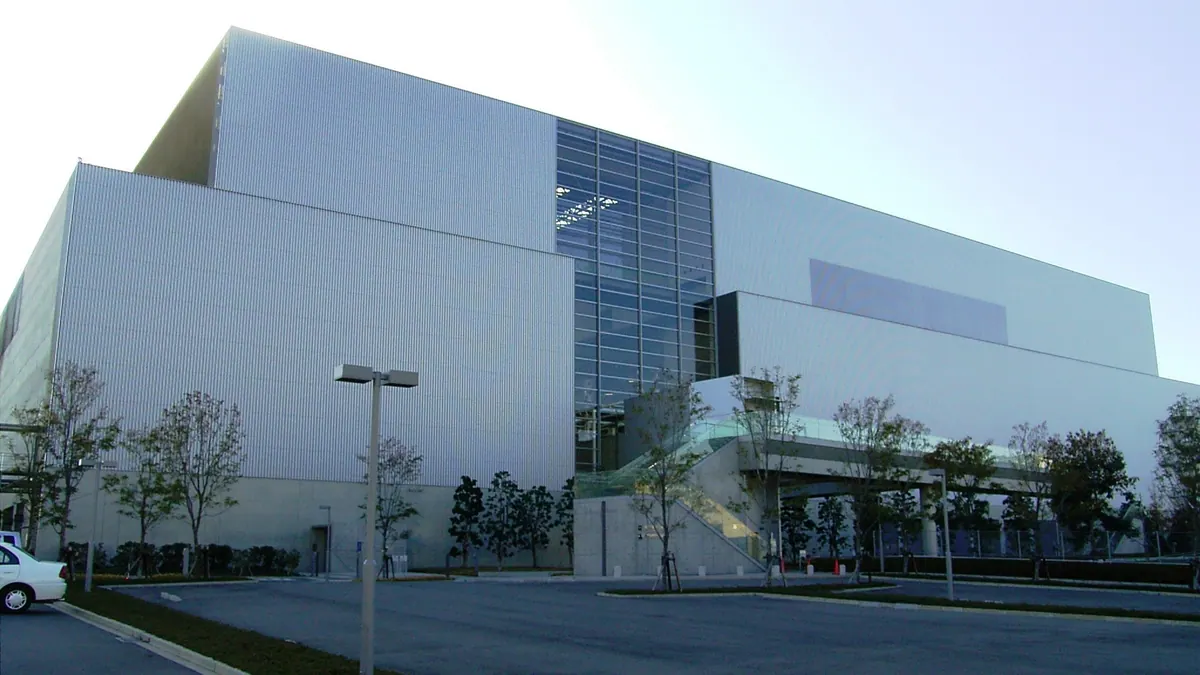

A waste incineration plant is one of the most strictly regulated industrial installations in Europe: it has stringent emission limits, an obligation of continuous measurement of key pollutants, requirements for the combustion temperature, and public information. The basis is the Industrial Emissions Directive (IED), supplemented by the BAT conclusions from Commission Implementing Decision (EU) 2019/2010, which set even more restrictive reference levels for many parameters.
What the IED limits
Chapter IV of the Directive and Annex VI set, among other things:
- Combustion conditions. The gases generated in the process should, after the last injection of air, reach at least 850 °C for at least 2 seconds (1100 °C for hazardous waste with a high content of halogenated organic substances); auxiliary burners must be operational in the installation.
- Emission limits to air. Set out in the table below for daily averages.
- Abnormal conditions. Emergency operation is strictly limited in time: no more than 4 hours without interruption and up to 60 hours in total per year; once exceeded, the installation must be shut down.
Limits and BAT levels at a glance
| Pollutant | IED limit (mg/Nm³; daily average or average over the sampling period) | BAT-AEL range for new installations |
|---|---|---|
| Dust | 10 | 2–5 |
| TOC (organic carbon) | 10 | 3–10 |
| HCl | 10 | 2–6 |
| HF | 1 | — |
| SO₂ | 50 | 5–30 |
| NOx as NO₂ | 200 or 400 (depending on the size of the installation) | 50–120 |
| CO | 50 | 10–50 |
| Mercury | 0.05 (average over the sampling period) | — |
| Dioxins and furans | 0.1 ng/Nm³ | — |
The data from the BAT decision come from studies discussing its content, so before using them in official documents they should be checked in the text of the decision. It is important that the limit in the permit of a specific installation may be stricter than the value from the Directive.
How emissions are measured
- Continuous measurements concern dust, TOC, HCl, SO₂, NOx and CO, as well as process parameters: oxygen, temperature, pressure, humidity. The results are averaged over the relevant intervals (half an hour, a day) and checked for compliance with the limits.
- Periodic measurements concern, among others, heavy metals, dioxins and furans, and in some cases HF; accredited laboratories take samples and analyse them in accordance with the standards.
- Quality assurance systems for continuous measurements (calibration, comparative tests) are intended to ensure the reliability of the results.
- National provisions specify the requirements for carrying out emission measurements and reporting the results.
In Poland, emission standards for waste incineration and co-incineration plants are contained in the Regulation of the Minister of the Environment of 1 March 2018 on emission standards for certain types of installations, fuel combustion sources and waste incineration or co-incineration devices, and the rules for measurements in a separate regulation on requirements for carrying out measurements of emission quantities. Their current wording should be checked.
What else comes out of an incineration plant
Emissions to air are only part of the picture. The installation's balance also includes:
- Slag and bottom ash (non-hazardous waste), often processed into aggregate after the recovery of metals.
- Flue gas cleaning waste (dust, reaction products), usually classified as hazardous, requiring special management.
- Wastewater from wet flue gas cleaning, or its recirculation in the system.
- Vehicle traffic, noise and odour from the unloading area.
- Water vapour from the stack — the visible white plume is usually condensed vapour, not smoke.
What the community can see
The operator has an obligation to inform the authorities and the public; some installations publish the results of continuous measurements online, together with annual reports. Many incineration plants organise open days and visits. Residents can also use data from national registers, air quality monitoring nearby and the possibility of taking part in permitting procedures. The amended IED (2024/1785) extends access to information and public participation, and also provides for a right to claim compensation for damage to health caused by a breach of the rules.
How to read measurement results
- Check whether a given figure is a daily average, a half-hourly average or a single measurement.
- Note the reference conditions (dry flue gas, 11% O₂).
- Compare with the limit from the permit, not only with the limit from the Directive.
- A single peak does not have to mean a breach: what counts is the average over the reference interval and the duration of the event.
- Ask about failures, shutdowns and corrective actions, not only about averages.
Questions worth asking the operator
- What limits are written in the permit and how do they relate to the BAT-AELs?
- What flue gas cleaning systems are installed and when were they last upgraded?
- Where are the results of continuous measurements published?
- How often and by whom are dioxin and metal measurements carried out?
- What happens to the slag and the flue gas cleaning waste?
Why individual "episodes" cause concern
An incineration plant operates continuously, and transient states (start-up, shutdown, failure of the cleaning system) are periods of higher risk. The Directive sets time limits for them. Residents usually notice visual or odour episodes, not daily averages, so it is worth the operator publishing not only average values but also information on abnormal events and their causes. Honest communication reduces the sense of uncertainty more than the figures alone.
Dioxins and metals: why measurement is periodic
Dioxins and metals are not measured continuously in standard practice, as dust or HCl are, so samples are taken from several hours of operation and analysed in a laboratory. The BAT conclusions additionally allow long-term sampling, which averages emissions over a longer period and better reflects the variability of operation. For the user of the data this means that the result is delayed but representative of the chosen period.
This text is for information purposes only and does not constitute legal advice; before an investment or formal decision, check the current wording of the legislation and consult a lawyer or the competent authority.
Sources
Questions and answers
Are incinerator measurement results public?
The operator has information obligations towards the authority and the public, and some incinerators make continuous measurement results available on the internet. The scope and form depend on the permit and national regulations.
How often are dioxins measured in incinerator flue gas?
Under the IED Directive, measurements of dioxins and furans and of heavy metals are carried out at least twice a year, and in the first year of operation at least every three months. The BAT conclusions also allow long-term sampling.
Related articles