Waste-to-energyAnalysis
Pyrolysis and gasification of waste under the law: waste, fuel or incineration?
Is a pyrolysis or gasification installation a waste incinerator? It depends on whether the resulting substances are then burned. We discuss definitions, permits, the IED and the status of oil and char.
Other language versions: polski.
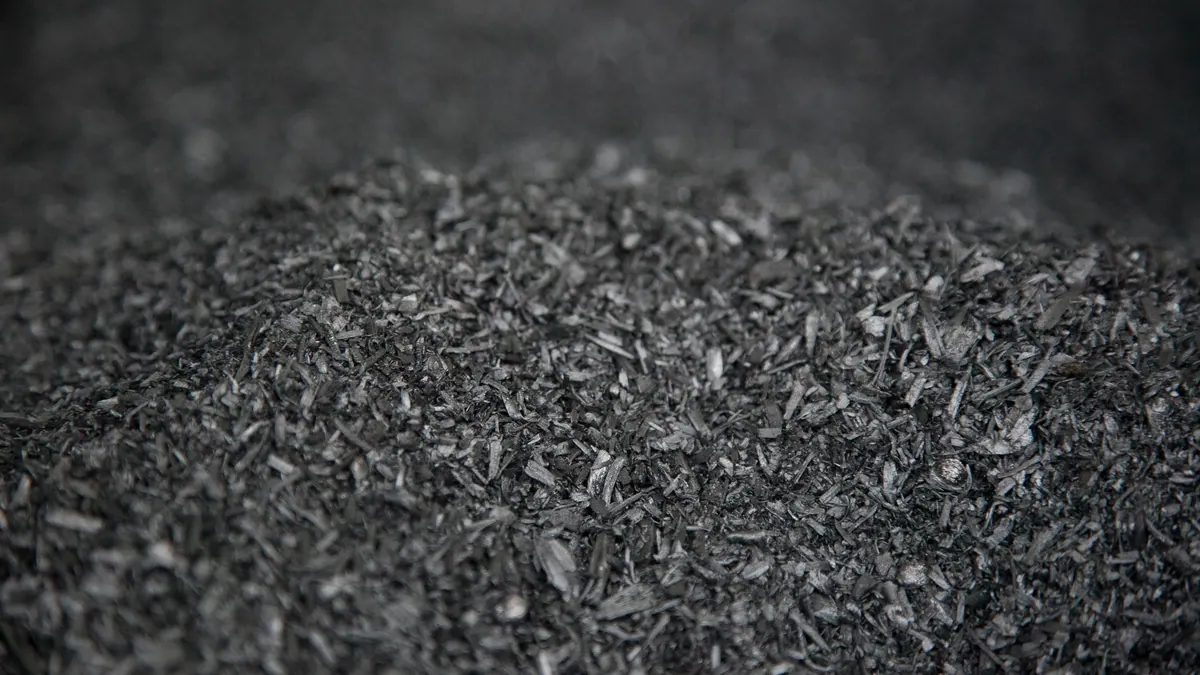

Whether a pyrolysis or gasification installation is legally a waste incinerator depends on the fate of the substances it produces. Both the Industrial Emissions Directive (IED) and the Polish Act on Waste (ustawa o odpadach) define thermal treatment of waste as incineration by oxidation and other thermal treatment processes, such as pyrolysis, gasification or the plasma process — but only where the substances resulting from those processes are subsequently burned. This condition determines the entire legal regime.
Three questions that start the assessment
- What is the feedstock? Waste (which code, which category — municipal, industrial, hazardous), or a material that is not waste, e.g. purpose-grown biomass.
- What happens to the products? Whether the pyrolysis or synthesis gas is burned in the same installation (e.g. in a boiler supplying the process), or sold as a raw material or fuel to a customer.
- Can the products cease to be waste? If not, they remain waste, and their further use is another processing operation.
Scenario A: burning the resulting substances
If the gas (or oil) from pyrolysis or gasification is burned in the same installation or in its direct system, the installation is treated as a waste incineration (or co-incineration) plant. Chapter IV of the IED and the national implementing provisions then apply: technical requirements (including an appropriate temperature and residence time of the flue gases), emission limits from Annex VI to the Directive, continuous emission measurements, requirements for the acceptance and control of waste, and public information. In Poland, emission standards are set by the Regulation of the Minister of the Environment of 1 March 2018 on emission standards for certain types of installations, fuel combustion sources and waste incineration or co-incineration devices. An installation for incinerating or co-incinerating non-hazardous waste with a capacity of more than 3 Mg per hour is among the installations covered by an integrated permit.
Scenario B: producing a raw material for further use
Where the product is, for example, pyrolysis oil passed to a refinery, char, or syngas for chemical synthesis, and the installation itself does not burn these substances, it is not an incineration plant within the meaning of the definition. Such a plant is assessed as a waste processing installation — a recovery process (e.g. R3 in the case of recycling of organic substances, in other cases R1 if the use is mainly energy-related, or R12/R13 for preparatory operations). The choice of recovery code is sometimes a matter of dispute and should follow from the actual way the products are used, not from declarations.
Irrespective of the scenario, the general rules apply: a permit for waste processing, a decision on environmental conditions (for qualifying projects), a permit for introducing gases or dust into the air (or an integrated permit), and compliance with construction law and the local zoning plan.
End-of-waste status: whether a product can be sold
Under Directive 2008/98/EC, waste ceases to be waste when it has undergone a recovery operation and meets the conditions: it is commonly used for specific purposes, a market or demand exists, it meets the technical requirements and the legislation applicable to products, and its use will not lead to overall adverse environmental or human health impacts. For pyrolysis oil or char there are no uniform EU criteria, so the assessment is left to the Member States and is sometimes carried out for a specific product. In Poland, Article 14 of the Act on Waste sets out the conditions for the loss of waste status; detailed conditions follow from EU legislation or a regulation, and where there are none, from the waste processing permit; in practice this requires documentation of tests and compliance with the customer's quality standards. Until this is resolved, the product remains waste, which means record-keeping and transport restrictions.
Interpretive pitfalls
- "We do not burn, so we are not an incinerator" — this is not always true if part of the gas feeds a boiler within the installation.
- Declaring recycling where the actual use is energy-related — the correct recovery code follows from the use of the product.
- Overlooking the 3 Mg/h threshold — below the threshold the installation usually does not require an integrated permit, but if it meets the definition of an incineration plant, the requirements and emission standards for incineration plants still apply.
- Assuming that a "new" technology is exempt from the rules — the IED rules apply to any technology that meets the definition.
A practical procedure
- Describe the mass balance: feedstock, products, where they are used.
- Establish whether any stream is burned in the installation.
- Consult the competent permitting authority on the classification at an early stage.
- Plan tests of the products for end-of-waste status if sales are to take place without registration in the BDO (waste database).
- Check the requirements for financial security and insurance if you run waste activities.
Correct classification at the start of a project avoids changing the technological concept after the decision has been issued. The opinion of the authority competent to issue the permit is often more important here than the best-sounding interpretation from the technology supplier.
The role of the authority and the timetable
Permitting authorities assess a project on the basis of the technology description and the mass balance. The sooner you present a clear diagram of the streams (what goes in, what comes out, what is burned), the lower the risk of a change of classification after the environmental decision has been issued. It is worth allowing time for consultations, because with new technologies authorities often ask for additional explanations or opinions, and an investment schedule, especially one co-financed from public funds, does not always make provision for this.
This text is for information purposes only and does not constitute legal advice; before an investment or formal decision, check the current wording of the legislation and consult a lawyer or the competent authority.
Sources
Questions and answers
Is every pyrolysis installation a waste incinerator?
No. It is an incinerator (within the meaning of the regulations) when the substances produced in pyrolysis are then burned. An installation producing a feedstock for further processing may be assessed as a waste processing installation.
Is pyrolysis oil a product or a waste?
By default, a waste. It may cease to be one once the end-of-waste conditions are met: it is commonly used, has a market, meets technical standards and does not harm the environment. This is assessed for a specific product.
Related articles