BiogasEvent
CIBiogás: Brazil has 1,803 biogas installations and produces nearly 5 billion Nm³ a year
According to the CIBiogás Biogas Panorama 2025, about 1,803 biogas installations operate in Brazil, and production is approaching 5 billion Nm³ a year; a 5% rise in number and 6% in volume.
Other language versions: polski.

A study by the Centro Internacional de Energias Renováveis – Biogás (CIBiogás), Panorama do Biogás no Brasil 2025, presented at the 8th South Brazilian Biogas and Biomethane Forum, indicates that 1,803 biogas installations operate in Brazil and annual production is approaching 5 billion Nm³. According to the CEO of CIBiogás, Felipe Souza Marques, this means a rise of about 5% in the number of installations and 6% in volume compared with the previous year.
How this looks against previous years
The earlier technical note Panorama do Biogás no Brasil 2021 shows that CIBiogás then registered in BiogásMap 811 biogas installations, of which 755 (93%) were operating with energy use, 44 (5%) were in the implementation phase and 12 (2%) were undergoing overhaul or modernisation. Biogas production was then 2.3 billion Nm³ a year, and compared with 2020 the number of operating installations rose by 16% and the volume by 10% (102 new installations joined by 2021). Data from different editions are not fully comparable, because they cover different categories of installation.
Structure of the sector
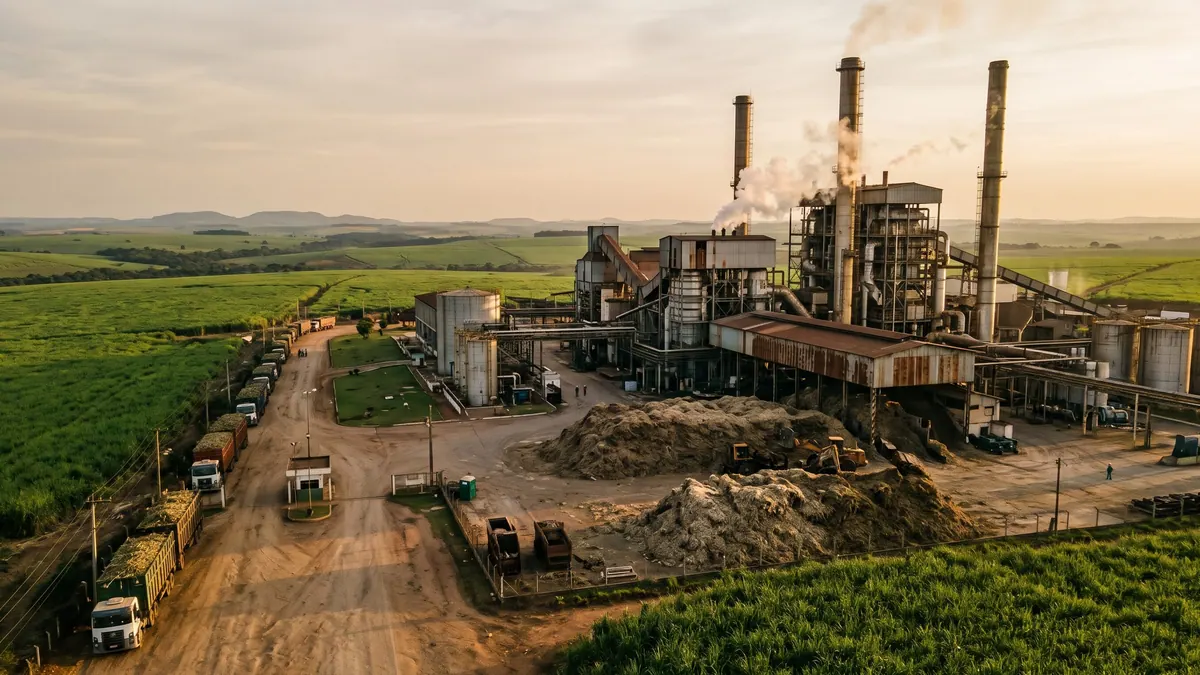
Brazilian biogas comes mainly from agricultural waste (manure, slurry), the sugar-and-ethanol industry (vinasse, filter cake), landfills and wastewater treatment plants. The exact share of the individual types of installation and their size in the 2025 edition require going to the full CIBiogás report.
Biomethane
The growth in biogas goes hand in hand with the development of biomethane: producers increasingly upgrade gas to grid or transport quality, taking advantage of the incentives of RenovaBio, the "Combustível do Futuro" law and the Metano Zero programme. From this study we do not know the split of volume between biomethane and biogas used for electricity and heat, so we draw no conclusions here about the share of biomethane.
How to read the numbers
The number of installations does not mean capacity or volume, because facilities differ in size. In comparisons with Europe it is worth setting out production in energy units (e.g. GWh or PJ), not the number of facilities; 5 billion Nm³ of biogas corresponds to roughly half of that value in methane, depending on the CH₄ content of the gas.
What this means for Poland and Europe
In biogas, Brazil has different feedstock sources (sugar cane, manure) and different support mechanisms from EU countries. The Brazilian biomethane and biogas market is a potential technology and investment partner; what will be key is taking into account local certification requirements and the CBIO credit system.
Sources
Related articles