BiomethaneGuide
Connection conditions for a biomethane plant to the gas grid: stages, documents and analyses
From the application for connection conditions to acceptance: we describe the stages of connecting a biomethane plant to the gas grid, the analyses of capacity and costs, and the documents that need to be prepared.
Other language versions: polski.
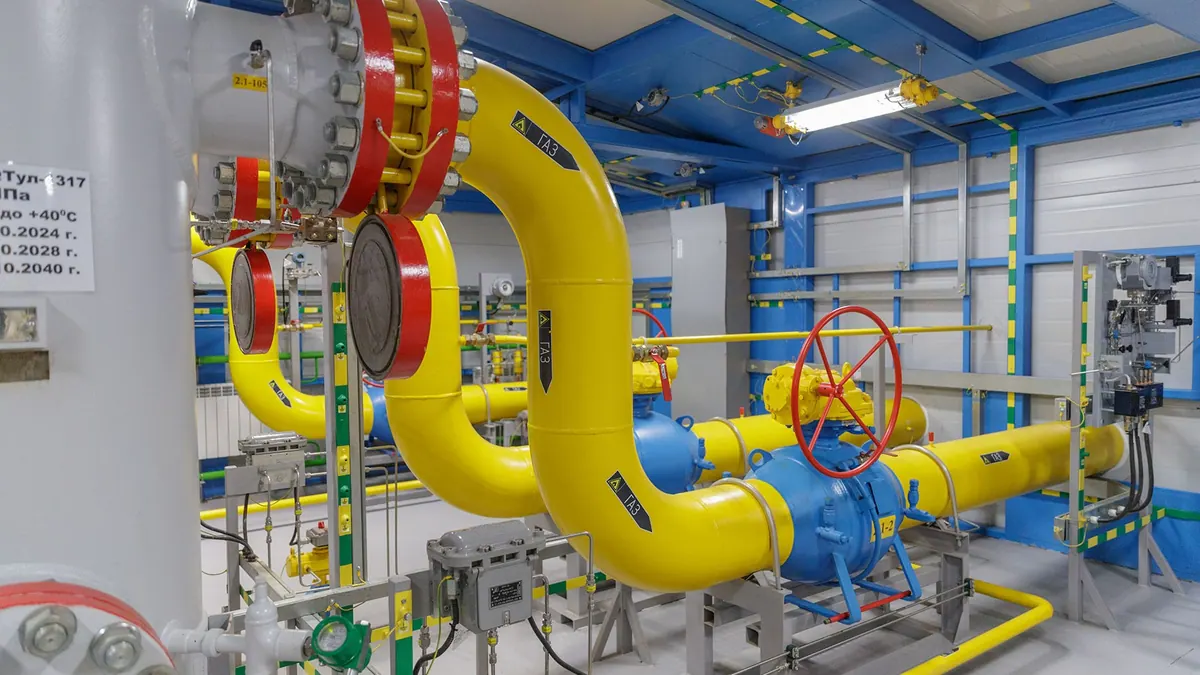

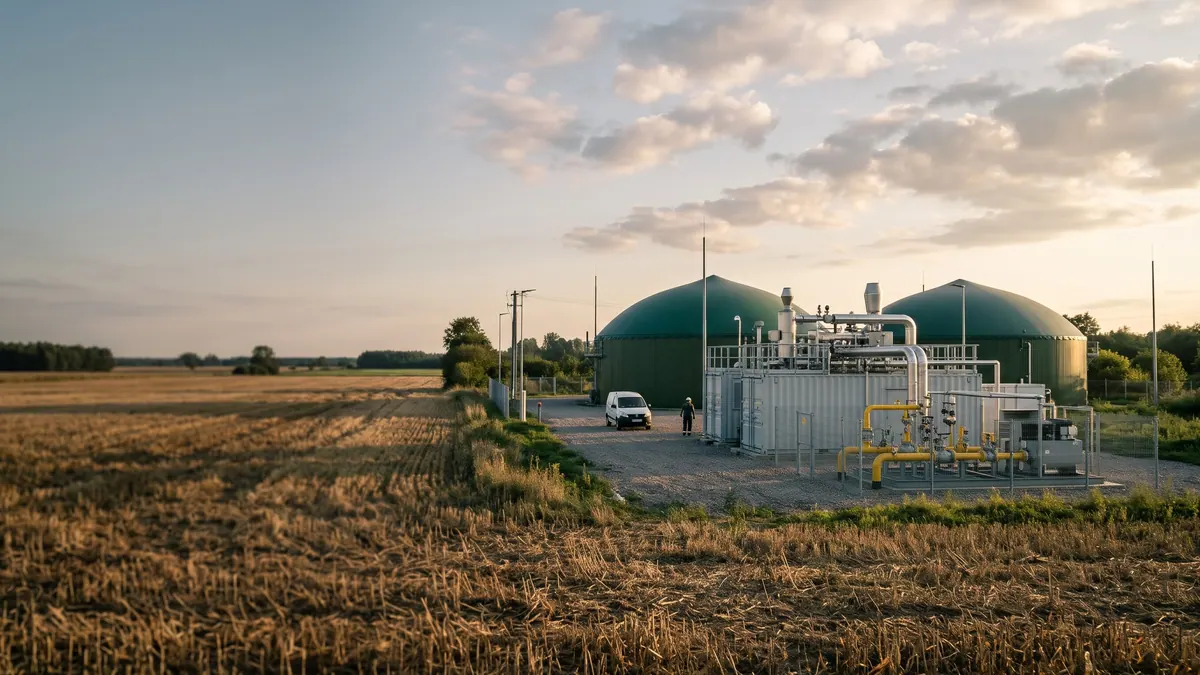
Connecting a biomethane plant to the gas grid follows a procedure run by the distribution system operator (in Poland most often Polska Spółka Gazownictwa) or the transmission operator (GAZ-SYSTEM). The route leads from an application for connection conditions, through technical and economic analysis, a connection agreement, construction of the connection and station, to acceptance and commissioning. The most important questions to answer at the start are the distance from the gas pipeline, the pressure in the grid and the grid's ability to accept gas all year round.
Stages in practice
- Preliminary site analysis. Check the grid map, the distance from gas pipelines, their diameter and pressure. Connection to a low-pressure grid is generally out of the question because of its small capacity; a medium or elevated medium-pressure grid is usually needed, and for large projects – a high-pressure one.
- Application for connection conditions. Technical data are attached: planned capacity (m³/h), gas parameters, start-up date, location, legal title to the land. The operator assesses the possibility of connection and presents the conditions.
- Capacity and technical analysis. The operator checks whether the grid at the connection point will accept the gas in the worst scenarios, i.e. in summer at low offtake. It may indicate the need for reverse compression, grid extension or a reduction in capacity.
- Connection agreement. It specifies the scope of work, responsibility, schedule and fee (on terms depending on the regulations, the tariff and the type of connection).
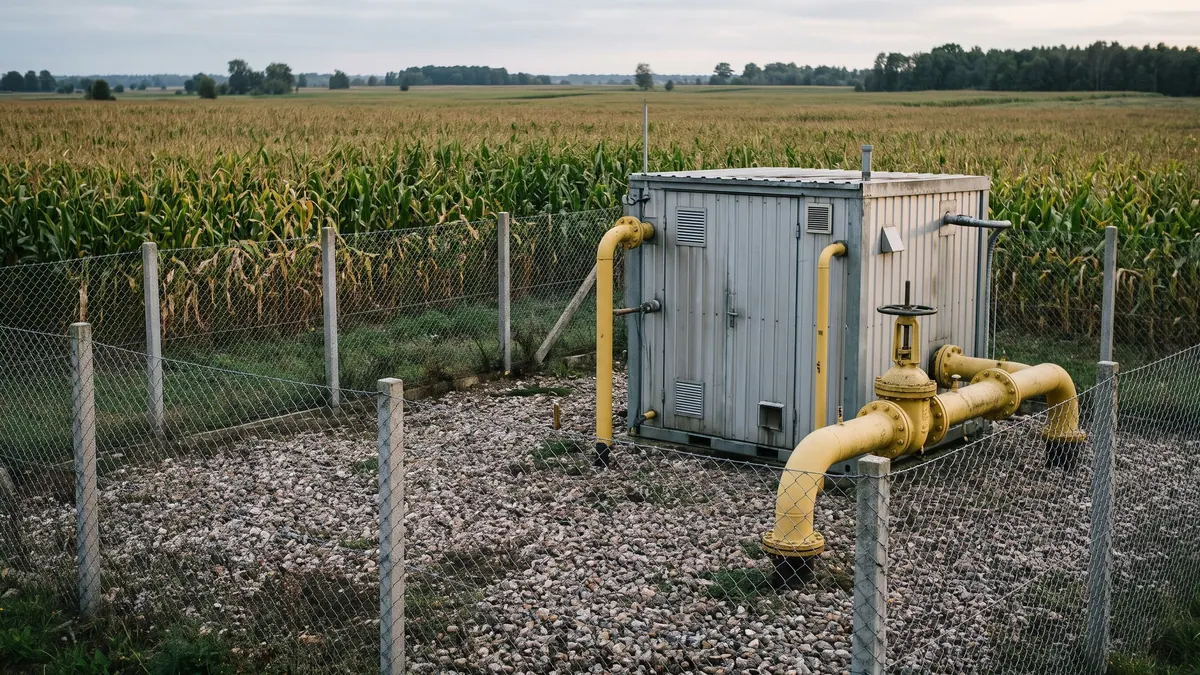
- Design and construction. The connection, injection station, metering system, safeguards.
- Technical acceptance and tests. Start-up with gas quality control in line with the operator's requirements.
- Commercial and distribution agreements. Sale of the gas or a distribution agreement, registration in settlement systems and, where needed, issuing of guarantees of origin.
What affects cost and time
- Distance to the gas pipeline: building a connection usually costs hundreds of thousands or millions of zlotys per kilometre (depending on diameter, terrain and right of way; this is an order of magnitude, not an offer).
- Pressure level: the higher the pressure in the grid, the larger the compressor needed.
- Capacity: if gas offtake in summer is low, additional investments may be necessary.
- Permits: environmental decisions, building permits, transmission easements.
- Time: from application to commissioning often more than a year passes, especially when grid extension is necessary.
Capacity analysis: a simple example
Assumptions: a 600 m³/h biomethane plant; the nearest medium-pressure gas pipeline supplies a housing estate in which summer gas consumption is very low. If summer consumption on the section is, for example, 250 m³/h, then biomethane at 600 m³/h cannot be accepted in full without transmission up the grid or a reduction in production. The operator may propose: (a) a connection to a higher-pressure grid (a longer, more expensive connection); (b) a reverse compression system to a higher-level grid; (c) limiting the connection capacity to 250 m³/h. Each solution changes the economics of the project. The figures are illustrative assumptions.
Documents and data
Prepare: legal title to the plot, a site plan, a preliminary process diagram, gas parameters (composition, pressure), a schedule, data on planned metering and safeguards, and a description of the system for cutting off non-compliant gas. The operator may request additional data on gas quality and the rules for emergency disconnection.
Roles and responsibility
In a typical arrangement the producer is responsible for the quality of the gas, the safety of the installation up to the connection point and compliance with the standard; the operator – for the grid, settlement and monitoring. It is important that the agreement clearly states who bears the costs of possible losses, e.g. resulting from the cut-off of injection due to a grid failure.
The role of the schedule
The investment schedule should be built backwards from the start-up date, taking into account the waiting time for connection conditions, environmental approvals, deliveries of equipment (upgrading, compressors, gas meters) and acceptance. A common mistake is to assume that the connection and station can be built in the last months before commissioning, whereas the implementation time is often determined by permits and the availability of contractors. It is sensible to reserve a time buffer for tests and adjustment, because the first weeks of injection often require fine-tuning of the metering and control system.
Summary
The connection procedure is one of the most important risk stages for a biomethane plant. Early contact with the operator, a preliminary capacity analysis and a realistic schedule make it possible to avoid a situation in which a finished installation waits for the grid.
Sources
Related articles