Waste-to-energyExplainer
Gasification of waste and biomass: reactor types, syngas, tars and commercial reality
Gasification converts a solid fuel into syngas under a limited supply of oxygen. We compare reactor types, discuss the problem of tars and gas cleanliness, and look at what limits commercial deployment.
Other language versions: polski.
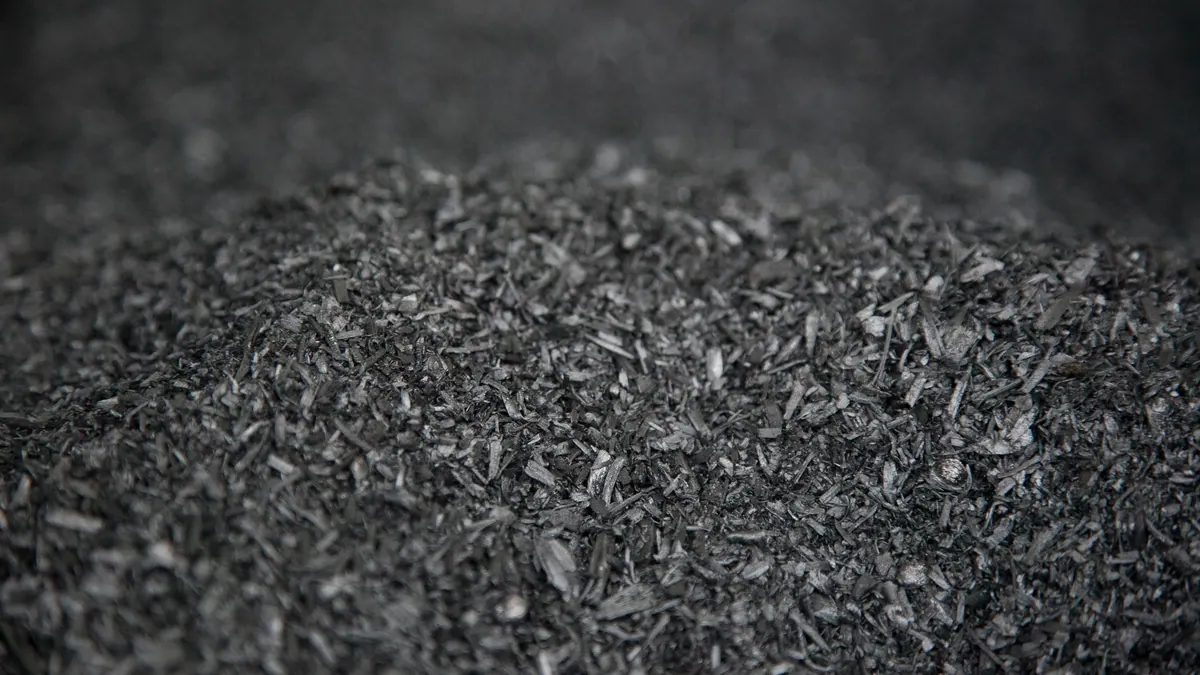

Gasification is the thermochemical conversion of a solid fuel, such as biomass, coal or the combustible fraction of waste, into a combustible gas known as syngas. The process takes place at temperatures usually above 700 °C with a limited amount of gasifying agent (air, oxygen, steam), so that the fuel does not burn completely. The result is a mixture of carbon monoxide, hydrogen, methane and carbon dioxide, which can be burned in an engine or boiler or used as a chemical feedstock.
How the process works
In the reactor the following reactions occur in sequence: drying, devolatilisation (pyrolysis), partial combustion, which supplies heat, and reduction, in which hot char reacts with CO₂ and steam. The gas composition depends on the temperature, the type of gasifying agent and the fuel. Air gasification gives a gas that is low in energy because it is diluted with nitrogen; gasification with oxygen or steam gives a gas richer in H₂ and CO, but it requires an oxygen plant and is more expensive.
Reactor types
| Type | Characteristics | Advantages | Disadvantages |
|---|---|---|---|
| Fixed bed, co-current | fuel and gas move in the same direction | few tars, simple, small capacities | sensitivity to moisture and fuel particle size |
| Fixed bed, counter-current | gas flows upwards through the descending fuel | high thermal efficiency, tolerance of moisture | a lot of tars in the gas |
| Fluidised bed | fuel suspended in hot sand | good heat transfer, larger scale, flexibility | dust, ash agglomeration, sensitivity to alkalis |
| Entrained-flow reactor | pulverised fuel in an oxygen stream, very high temperature | gas almost free of tars | fine fuel grinding, high capital cost, large scale |
| Plasma gasification | a plasma source supplies the heat | very high temperature, vitrified slag | high consumption of electricity |
For small cogeneration systems running on biomass (below a few MW) co-current reactors dominate, and on a larger scale, fluidised beds.
The main difficulty: gas cleanliness
The raw gas contains impurities that decide whether a project is feasible:
- Tars — heavy aromatic hydrocarbons that condense in the cooler parts of the system, block pipelines and foul the engine.
- Dust and ash — require cyclones and fabric or ceramic filters.
- Sulphur and chlorine compounds — H₂S, HCl; they form acids and poison catalysts.
- Alkalis (sodium, potassium) — at high temperature they cause deposits and corrosion.
- Ammonia and other nitrogen compounds — give nitrogen oxides in the flue gas.
Cleaning is carried out with scrubbers (e.g. oil scrubbers), filters, and catalytic or thermal cracking of tars. For synthesis applications (e.g. liquid fuels) the purity requirements are even higher than for an engine. It is precisely the cost and reliability of the cleaning system, not the reactor itself, that is the most common cause of delays in projects.
Where it works and where it is harder
The greatest maturity is found in the gasification of woody biomass in small CHP installations, where the feedstock is homogeneous. Gasification of mixed municipal waste and RDF is much harder: the feedstock is heterogeneous and contains chlorine, metals and plastics, which translates into tars and corrosion. There are demonstration and commercial installations around the world, e.g. in Japan many plants combining gasification with waste melting operate, but this is not a technology as widespread as the grate for incineration. It is worth separating claims about "design capacity" from data on actual utilisation over a year.
Gasification can allow high electrical efficiency if the gas feeds engines or turbines, or even fuel cells, but in practice own needs (drying, cleaning, compression) lower the net efficiency.
Factors for assessing a project
- Feedstock — whether it has constant moisture, particle size and composition; whether supply is secured for years.
- Gas — what requirements the user sets (engine, boiler, synthesis) and what the cleaning cost is.
- Residues — ash and slag; in the case of waste these are often wastes that require management.
- Legal status — whether the installation will be an incineration plant (where the gas is subsequently burned) or a waste processing installation.
- References — installations running on similar feedstock, with documented operating time.
A realistic conclusion
Gasification is a sensible choice for prepared biomass streams and certain types of combustible fractions, provided that the project includes thorough gas cleaning and a secured feedstock. As a replacement for a conventional incinerator for mixed municipal waste it can be more expensive and riskier. The decision should be based on operating data, not on marketing materials.
Gasification and the other routes
Gasification is sometimes presented as a "cleaner" alternative to incineration, but this is not always true: emissions depend on the gas cleaning system and the way the gas is used. If the syngas is burned in an engine after cleaning, the emissions are inherently similar to those from other gas combustion sources. The advantage may be higher electrical efficiency and the possibility of producing carriers such as hydrogen or synthetic fuels, but these require gas of very high purity, and the capital outlay and technical risk are considerable.
From a waste management perspective, gasification also does not solve the problem of residues: ash, slag and gas cleaning waste must be managed. When considering this technology, it is worth comparing it with a conventional grate or fluidised-bed boiler in terms of availability, operating costs and risk.
This text is for information purposes only and does not constitute legal advice; before an investment or formal decision, check the current wording of the legislation and consult a lawyer or the competent authority.
Sources
Questions and answers
How does gasification differ from pyrolysis?
Pyrolysis takes place without oxygen and yields gas, liquid and char. Gasification is carried out with a limited amount of gasifying agent (air, oxygen, steam) and is intended to produce primarily syngas.
Why must gasification gas be cleaned?
It contains tars, dust, sulphur and chlorine compounds and alkalis. They condense, deposit and corrode, so without cleaning they will damage the engine, turbine or catalyst.
Related articles