US and EU announce the Global Methane Pledge: −30% emissions by 2030
On 18 September 2021 the United States and the European Union announced the Global Methane Pledge: a joint goal of cutting global methane emissions by at least 30% by 2030 compared with the 2020 level.
Other language versions: polski.
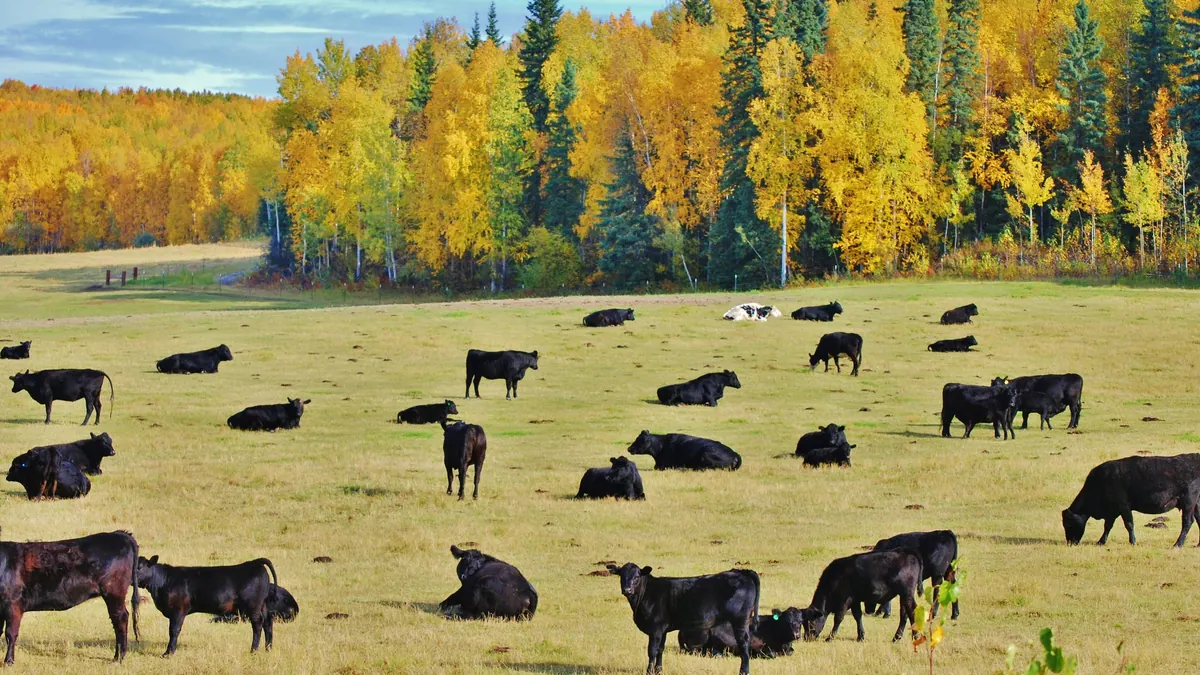

The United States and the European Union announced the Global Methane Pledge on 18 September 2021 – a joint initiative aiming to cut global methane emissions by at least 30% by 2030 compared with the 2020 level. Both parties invited other countries to join and announced the formal launch of the initiative during the COP26 climate conference.
What the pledge involves
The pledge is political in nature. Countries that join it declare cooperation to reduce methane emissions in all the main sectors: energy, agriculture and waste management. It assumes the use of the best available inventory and reporting methods and the search for low-cost solutions.
The 30% goal refers to global emissions, not to each country individually. Each country decides for itself what measures it will use to deliver its contribution.
Why now
The announcement came a few weeks after the August IPCC report, which confirmed the importance of methane for warming, and after the May 2021 report of the United Nations Environment Programme and the Climate and Clean Air Coalition, which pointed to a large potential for fast reductions. For the European Union, which presented its methane strategy in October 2020, the initiative was an opportunity to internationalise its own actions, including the planned requirements for imports of fossil fuels.
Significance for biogas and waste
Among the sectors named as sources of reductions are agriculture and waste. Biogas installations that make use of manure, slurry and biowaste, as well as capturing and using landfill gas and gas from wastewater treatment plants, are concrete technologies that translate into lower methane emissions while also supplying energy. For countries considering joining, such as Poland, it will be important how the pledge affects national regulations.
What next
The pledge required winning the support of as many countries as possible before COP26. Its effectiveness depends on the implementation of specific national rules and international monitoring mechanisms, for example the International Methane Emissions Observatory.
The road from declaration to law
Political declarations such as the Global Methane Pledge do not reduce emissions on their own. For the goal to be achieved, countries must introduce rules: measurement and repair obligations in the fuel sector, standards for landfills and wastewater treatment plants, and incentives for agriculture. The European Union indicated that its contribution would be based on the methane strategy of October 2020 and on a legislative proposal for the energy sector, which the Commission was to present in 2021.
What to watch
For the biogas and waste industry, three signals will matter: the list of countries that join the pledge, the content of national methane reduction plans, and whether the support instruments include mechanisms for agricultural biogas and landfill gas capture. Only then will the declaration translate into investment decisions. It is also worth paying attention to differences in emission accounting methods, because the 30% goal refers to the 2020 level, and methane inventories in different countries can be uncertain.
Sources
Related articles