BiogasGuide
Co-digestion: how to plan a substrate mix without overloading the digester
Co-digestion combines substrates with different properties. We show how to build a mix: dry matter balance, C/N, buffer, inhibition risk, logistics and the gradual introduction of changes.
Other language versions: polski.
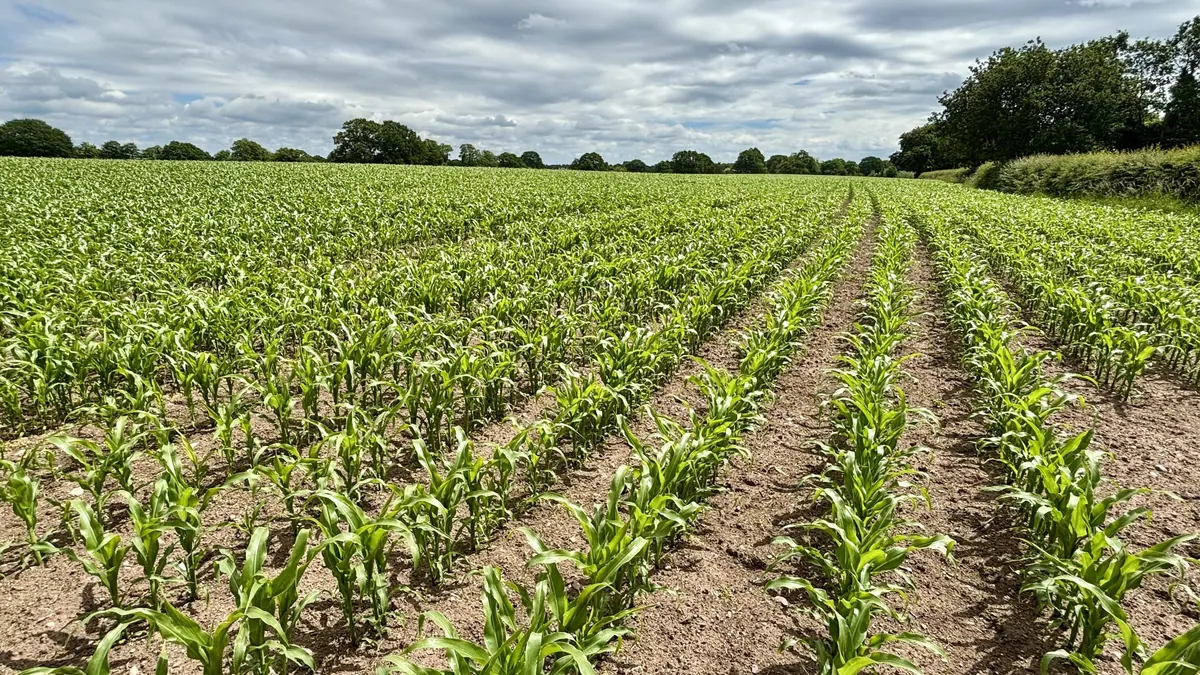
Co-digestion is the simultaneous fermentation of several substrates, usually slurry or manure with the addition of materials of higher methane yield, such as silages, production waste or bio-waste. The mix is planned so as to combine a base substrate providing buffer and water with more energetic ones, while maintaining a C/N of about 20–30, a safe OLR and a low risk of inhibition. Reliable substrate analyses, a mass balance for the whole year and gradual introduction of changes are key.
Step 1: get to know the substrates
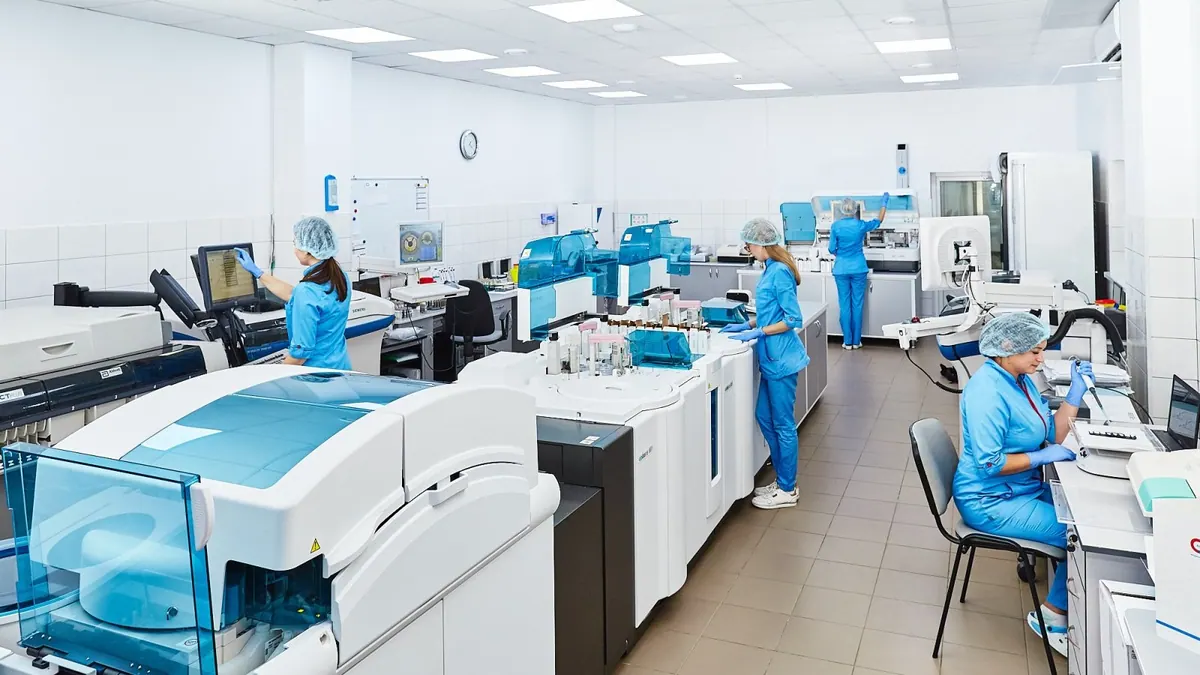
For each component collect data from the laboratory, not from a catalogue:
| Parameter | Why |
|---|---|
| Dry matter (TS) and volatile solids (VS) | basis of the OLR and energy balance |
| Total and ammonium nitrogen | ammonia risk, C/N |
| Fat, protein, fibre | effect on yield, foam, hydrolysis |
| Sulphur | H₂S risk |
| Methane potential (BMP) | yield, comparisons |
| Contaminants (sand, stones, foreign bodies, antibiotics, disinfectants) | protection of equipment and the process |
| pH and stability | poor-quality silages introduce acids |
Step 2: define the role of the substrates
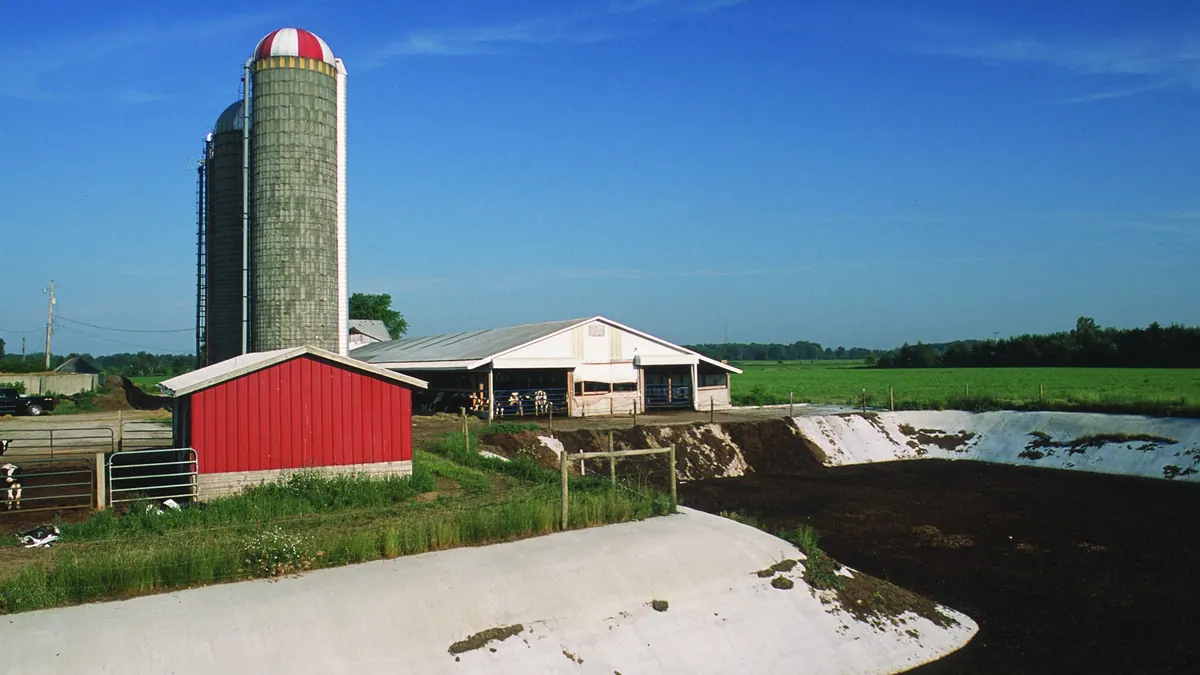
- Base: cattle or pig slurry — buffer, water, trace elements, low energy.
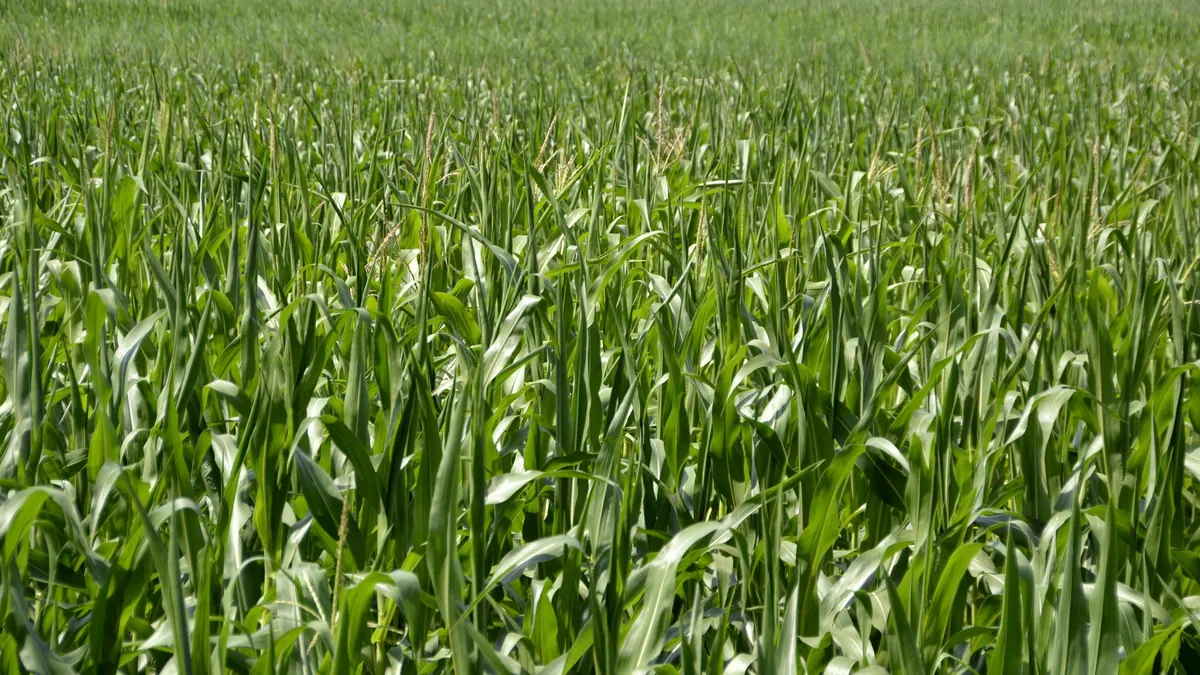
- Energy carriers: maize and grass silages, whole-crop silage (GPS), beet pulp, waste from the food industry.
- "Difficult" substrates: poultry manure (high nitrogen), fats (high yield, foaming risk), whey (rapid acidification), straw (slow hydrolysis).
Rule: easily degradable substrates are introduced in a limited proportion and evenly, because the risk of acidification rises with the rate of hydrolysis.
Step 3: balance and example
Assumptions: a 3,000 m³ digester, target OLR about 3.3 kg VS/(m³·d), i.e. about 9,900 kg VS/d. The mix:
| Substrate | t/d | TS | VS in TS | kg VS/d | VS share |
|---|---|---|---|---|---|
| Maize silage | 22 | 0.33 | 0.95 | 6,897 | 70% |
| Cattle slurry | 40 | 0.08 | 0.80 | 2,560 | 26% |
| Stillage or other waste | 3 | 0.10 | 0.85 | 255 | 3% |
| Total | 65 | ≈ 9,712 |
OLR ≈ 3.2 kg VS/(m³·d); HRT at 65 m³/d is about 46 days. The slurry content provides 61% of the fresh mass, which helps with dilution and alkalinity. Next check the C/N (balance spreadsheet), TAN and free NH₃, fat content and sulphur.
Step 4: safe limit values
Establish for your own installation:
- the maximum share of easily degradable substrates in VS,
- the maximum OLR for the mix,
- the maximum TAN and free NH₃,
- the minimum share of slurry (buffer),
- the maximum rate of change of the mix (e.g. no more than a dozen or so per cent of VS per week).
The values follow from the operating history: the best source is notes from previous changes and analysis results.
Step 5: introducing changes
- Change one factor at a time.
- Start with a low share of the new substrate (a few per cent of VS).
- Observe VFA, FOS/TAC, pH, gas composition and foam for 2–3 weeks.
- Increase the share in stages if the parameters are stable.
- Record the process's reactions — this will be the knowledge base.
Logistics
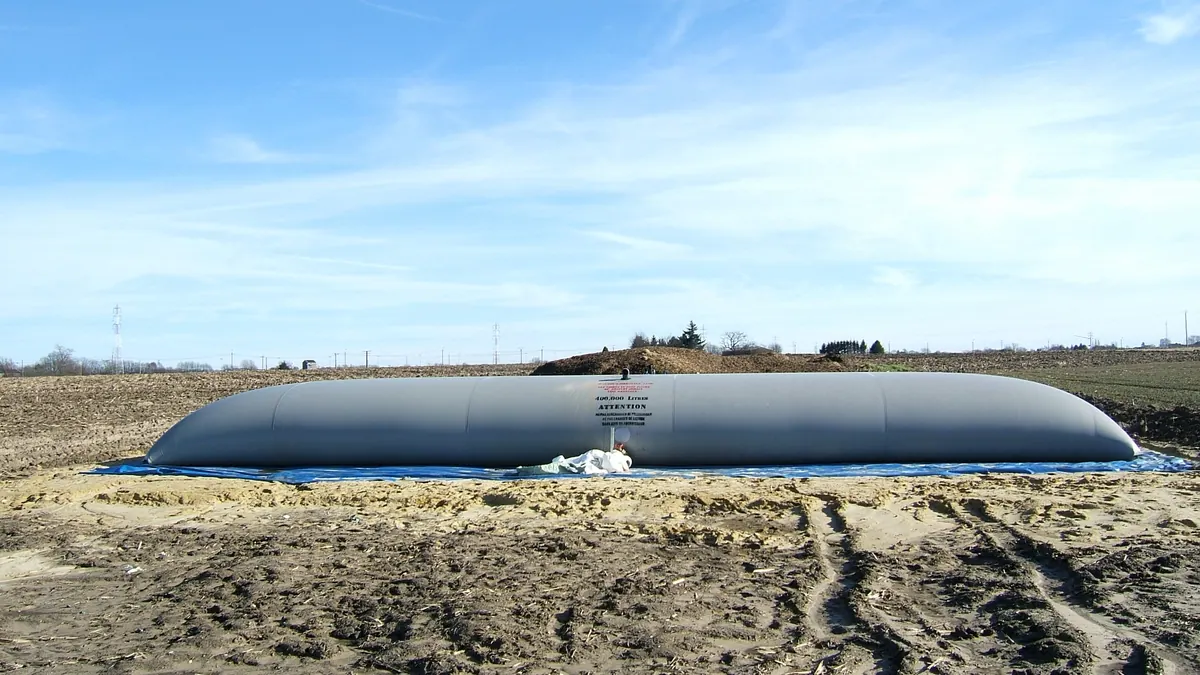
A mix on paper has to be covered by deliveries: contracts with substrate suppliers, storage space (silos, tanks), mass measurement, quality. The annual plan should take into account:
- fluctuations in crop yields (drought, excessive rainfall) — a silage reserve of one to two months,
- seasonality of processing waste,
- travel time and transport cost,
- the possibility of replacing a substrate with an equivalent one.
Test before the decision
Before you sign a contract for a new substrate, carry out a BMP test or a continuous laboratory-scale test with the planned mix. The result will not replace a technical-scale trial, but it will indicate the inhibition risk and an approximate yield. Remember that BMP does not take into account the limits of mass transfer and HRT in a real digester.
The most common mistakes
- planning the mix from tables, without analyses,
- a sudden increase in the share of fat or poultry manure,
- ignoring sulphur and ammonia,
- no contingency plan for the absence of one substrate,
- failing to consider the digestate: co-digestion with waste may change the status and legal requirements for the digestate.
A well-planned mix is not only energetically optimal but also resilient: if one component fails, the installation can replace it without disturbing the process.
Contingency scenarios in the mix plan
A good plan contains variants: what to do when silage runs out (replacement with grass, GPS, beet pulp), when the share of manure rises (dilution, C/N correction), when a waste supplier delivers a batch of poorer quality (quarantine, a test on a small dose). Write down the decision thresholds and the persons responsible. It is worth keeping a reserve of ready, stable substrate that makes it possible to quickly lower the share of risky components without a fall in energy loading.
Assessing the profitability of components
Compare substrates not by price per tonne, but by cost per m³ of methane: the price of a delivered tonne divided by the CH₄ yield per tonne. Free waste with a low yield and high risk may be more expensive than silage. Add to the calculation the costs of transport, storage, any treatment and the effect on the digestate.
Sources
Questions and answers
Why not digest maize silage alone?
A monosubstrate has low alkalinity and a poor trace element composition, so the process is prone to acidification and deficiencies. Adding slurry provides a buffer, water and some trace elements.