Market and investmentAnalysis
Czechia: electricity from biogas — how support works and what happens when it expires
Czech biogas plants generate about 2,500 GWh of electricity a year. Support, based on guaranteed prices and green bonuses, expires for all installations by 2033.
Other language versions: polski.
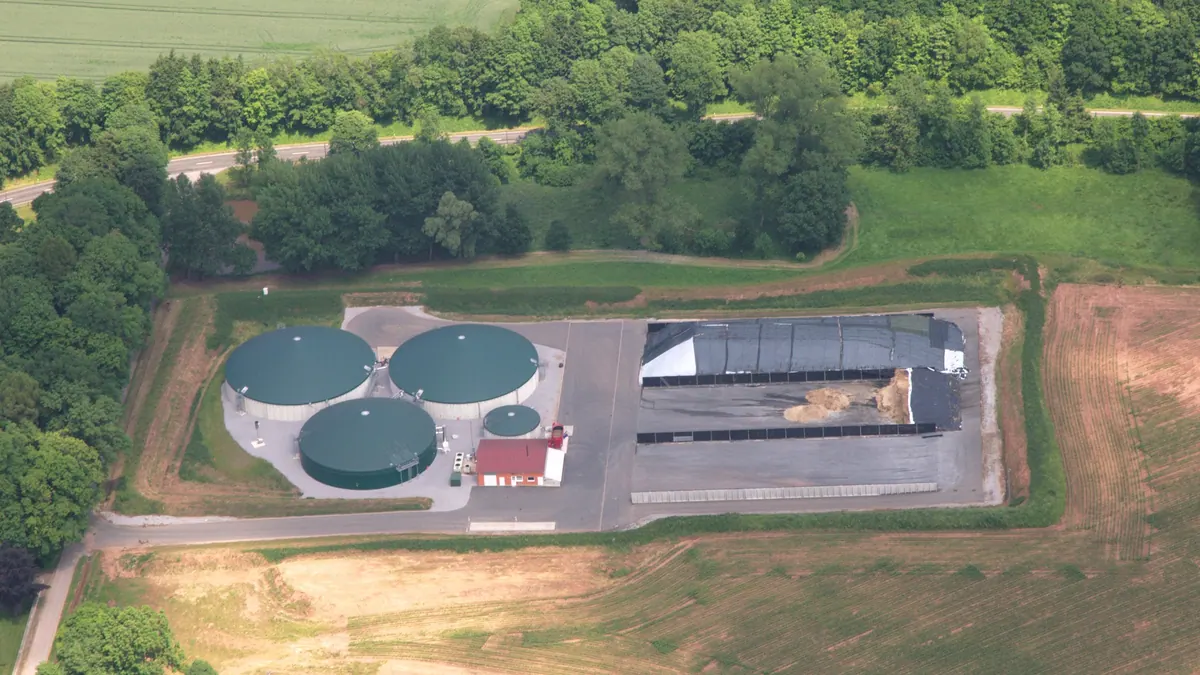

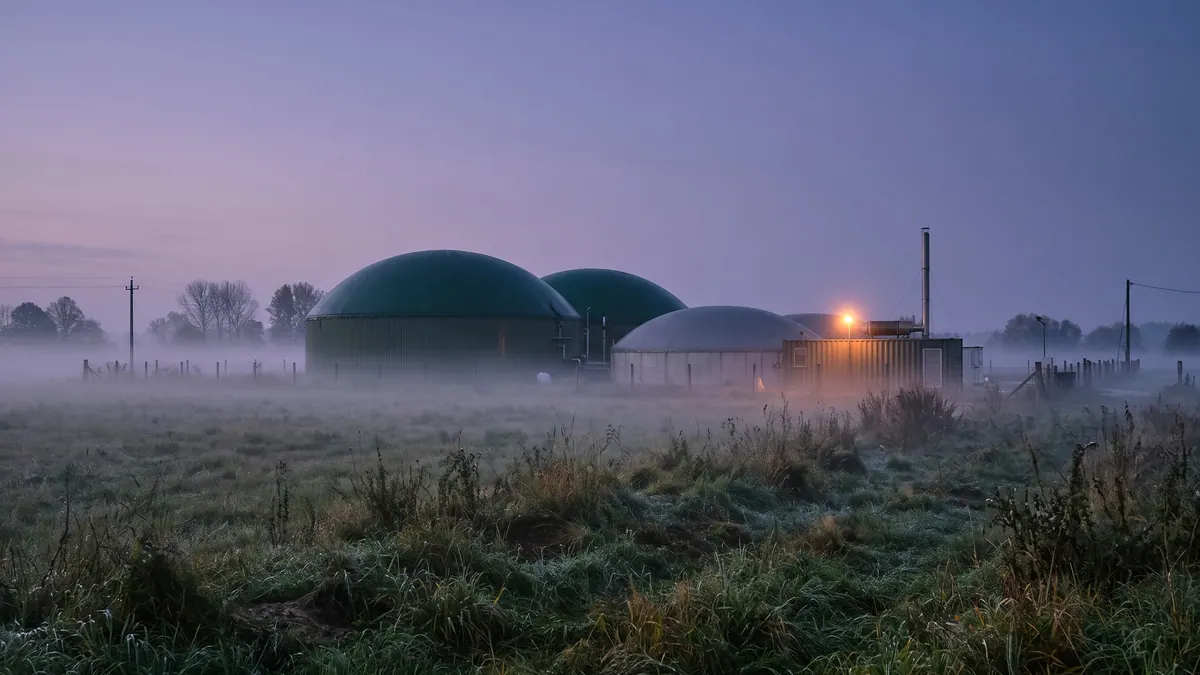
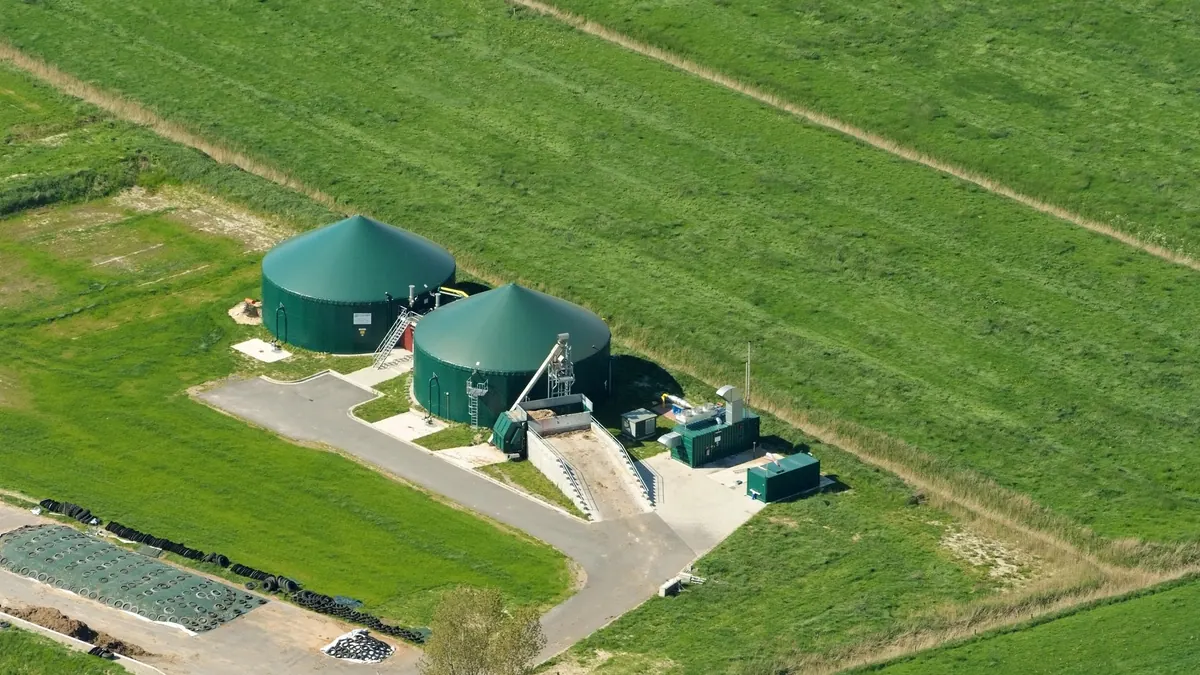
Czech biogas plants generate about 2,500 GWh of electricity a year and, with an average utilisation of installed capacity of about 7,300 hours a year, effectively run as baseload. The energy contained in the biogas produced is about 6 TWh. Operating support — a guaranteed purchase price or a green bonus — expires for all installations between 2026 and 2033, which raises the question of the sector's way forward.
Structure of the support
Czech support for renewable sources rests on the Act on Supported Energy Sources (No. 165/2012 Coll.), and the level of the rates is set by the regulator ERÚ in annual price decisions. The generator chooses between two forms:
- guaranteed price (výkupní cena) — the mandatory offtaker buys electricity at a fixed price set for a given category and year of commissioning;
- green bonus — a top-up to the price at which the generator sells electricity on the market on its own.
Support is available for a fixed period, which for biogas plants is 20 years from commissioning. Rates were differentiated by the year the installation entered service, the type of fuel (biomass, biogas, landfill gas, sewage gas) and whether heat-utilisation conditions were met. An example is the municipal plant in Kněžice, which currently receives a total of 4.70 Kč/kWh, i.e. about EUR 193 per MWh at an exchange rate of about 24.3 Kč per euro (indicative, 2026); see Czechia: Kněžice.
Who pays
Until the end of 2025, the cost of support was covered partly by electricity consumers through the POZE charge, included in the regulated part of the bill (495 Kč/MWh for households), and partly by the state budget. Since 1 January 2026 the whole cost has been financed by the budget — we describe this in the article Czechia: POZE from the state budget. The rate model itself has not changed.
Scale of the sector
According to CZ Biom (presentation of 13 April 2026), Czech biogas plants produce about 2,500 GWh of electricity a year, and the biogas contains about 6 TWh of energy. The country has 13 biomethane plants with a combined production capacity of about 29 million m³ of biomethane a year, an average of about 2.2 million m³ per installation. According to data from the article on Kněžice, there are about 540 biogas plants in the country.
What happens after support expires
After 20 years of support, an installation faces a fork in the road. CZ Biom lists three paths: refurbishment, biomethane, and merchant operation or shutdown.
- Refurbishment — a new 15-year support period, but it requires investment (about 20 million Kč in Kněžice). Only listed components no older than five years are recognised, and eligible costs are vaguely defined. The Ministry of Industry and Trade says it will hold talks on changing the parameters.
- Biomethane — the ministry is preparing support auctions. According to CZ Biom, volumes of 90 million m³ in 2026, 110 million m³ in 2027 and 150 million m³ in 2028 are envisaged; for biomethane the market requires, among other things, a connection to the gas grid.
- Merchant operation or shutdown — with energy prices below production costs, shutdown is a real prospect. CZ Biom warns that every biogas plant taken offline is a loss, and that one third of installations cannot be economically converted to biomethane.
Why CZ Biom is pushing to keep electricity generation
The association argues that a biogas plant producing both electricity and biomethane can provide not only daily but also seasonal balancing, which is an asset of stable sources. Their presentation also makes an agricultural argument: biogas is part of farm financing and rural development. For this reason agricultural and energy organisations have signed an appeal for sensible biogas development, which supports biomethane but stresses the need to maintain electricity and heat production.
Comparison with other countries
The Czech model differs from the German one, where new support is awarded in tenders and existing installations compete for another decade (see Germany announces tenders for more than 1 GW for biomass and biomethane). In Czechia, once support expires, what remains is refurbishment on terms set by a decree, or a change of direction, rather than an annual tender for continued operation.
Scale in numbers
With annual production of 2,500 GWh and 7,300 hours of utilisation a year, the sector's average electrical capacity is about 340 MW (2,500,000 MWh divided by 7,300 h). The timing of expiry is uneven: according to the article on Kněžice, support ends for three installations in 2026, nine in 2027, and for most it expires around 2032. CZ Biom also stresses the energy-security argument: with Czech gas consumption of the order of 70–80 TWh a year and a gas exchange price of about 45 EUR/MWh, replacing imports with biomethane could keep 80–90 billion Kč of annual gas payments in the country. The association also points out that the total energy in biogas (about 6 TWh in 2025) could, according to its plans, grow to 10 TWh in 2030 and 25 TWh in 2040. These are targets advocated by the industry, not ones laid down in law.
Sources
Related articles