BiogasEvent
EBA statistical report: 18,943 biogas plants and 725 biomethane plants in Europe
The European Biogas Association published on 25 January 2021 a report for 2019: 167 TWh of biogas and 26 TWh of biomethane, with data from 19 countries.
Other language versions: polski.
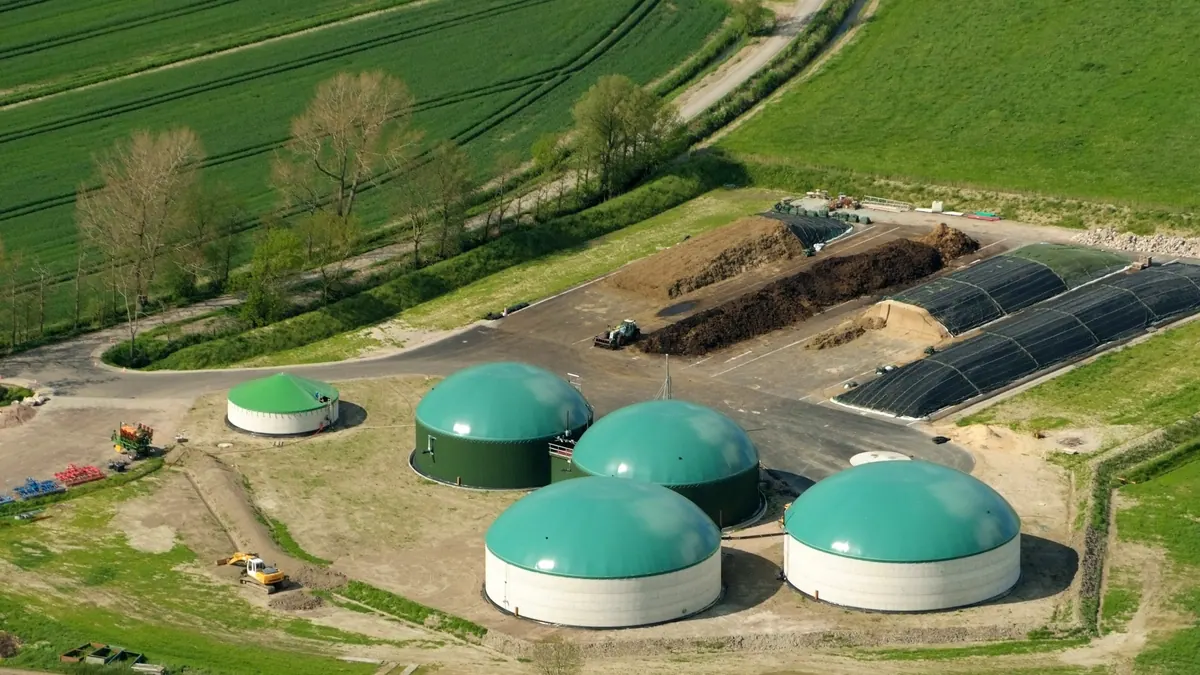

The European Biogas Association (EBA) released on 25 January 2021 an extended edition of its statistical report, designated the EBA Statistical Report 2020. It contains data for 2019: at the end of that year, Europe had 18,943 biogas installations and 725 installations producing biomethane. Production was 167 TWh of biogas (15.8 billion m³) and 26 TWh of biomethane (approx. 2.5 billion m³).
Figures from the report
| Indicator | Value |
|---|---|
| Biogas installations (end of 2019) | 18,943 |
| Biomethane installations (end of 2019) | 725 |
| Biogas production | 167 TWh (15.8 billion m³) |
| Biomethane production | 26 TWh (approx. 2.5 billion m³) |
| Scope | national biogas and biomethane markets in 19 countries |
The report covers EU countries and selected non-EU countries. The data make it possible to assess how fast the biomethane market is growing: compared with a few years earlier, the number of installations upgrading biogas to natural gas quality has increased significantly, although it still makes up a small part of all biogas plants.
How to read these data
The main conclusion is that most production still comes from installations producing electricity and heat in cogeneration, and biomethane in this statistic is 26 TWh against 167 TWh of biogas. The market structure is varied: in Germany, agricultural cogeneration biogas plants dominate, while in Denmark, France, Sweden and the United Kingdom grid injection is more important.
Significance for Poland
Poland is not among the countries with a large number of biomethane installations. The data from the report show the scale reached by markets with stable support and simple connection procedures. For Polish investors, this is context for talks with the government, which in October 2020 began work on a sector agreement.
What next
EBA announces further updates of the report, and the European Union is preparing reviews of the Renewable Energy Directive and of the framework for renewable gases. The statistical data will be used in discussions on volume targets for biomethane and on the role of this carrier in decarbonising gas.
What the market structure shows
More than nineteen thousand installations are, in the vast majority, agricultural, sewage treatment and landfill biogas plants, many of which produce electricity and heat in cogeneration. The number of biomethane installations is much smaller, but each of them is usually larger than a typical cogeneration biogas plant, because upgrading biogas and connecting to the grid pay off at higher flows. This explains why biomethane plants matter greatly for the production balance, although there are few of them.
Why statistical reports matter
EBA data are used by the European Commission, industry organisations and investors to assess growth potential and to formulate policy targets. As the market develops, consistent definitions and data collection methods become more important, because differences between countries in how installations are classified and how production is counted make comparisons difficult. The report is therefore both a source of information and a tool for harmonising statistics.
Sources
Related articles