Foaming in the digester: causes, risks and control methods
Foam in the digester can block gas pipelines and damage the roof. We set out the causes, immediate measures, antifoams and prevention.
Other language versions: polski.
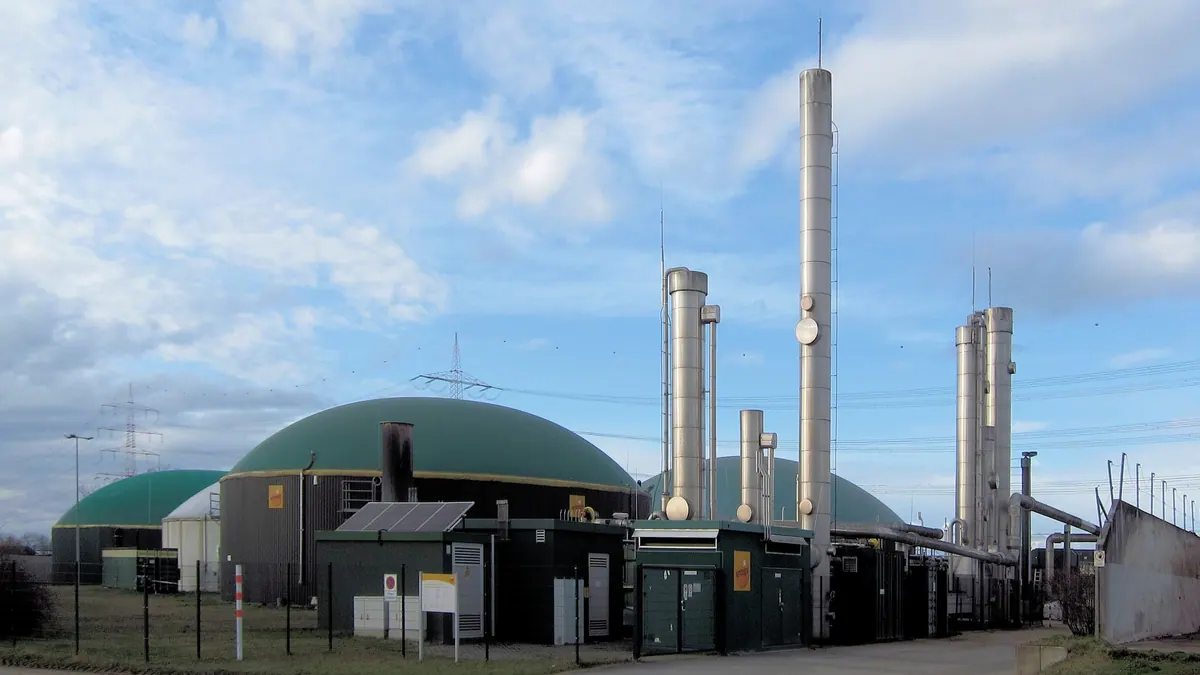
Foaming in the digester is the accumulation of stable foam on the surface of the slurry, caused by a combination of surface-active substances (fats, proteins, fatty acids, detergents), intensive gas release and physical factors (mixing, viscosity). Foam is dangerous because it can fill the gas space, block biogas lines, flood the roof and the safety valve, and disrupt measurements. The first reaction is to reduce the load and check the process conditions, not merely to add an antifoam.
Typical causes
| Group | Examples |
|---|---|
| Organic overload | too high a feed rate, a sudden change of mix, uneven feeding |
| Substrates | fats and oils, kitchen waste, proteins (whey, blood), molasses, stillage, some silages |
| Mixing | too intensive or in the wrong place, air drawn in during pumping |
| Process | a rise in VFA, a fall in pH, trace element deficiency, abrupt temperature changes |
| Chemistry | detergents and cleaning agents in substrates, excess additives |
| Design | low fill level, little gas space, poor geometry |
Consequences
- blocking of the gas pipeline, condensate and valves, flooding of the blower,
- damage to the roof membrane or activation of the safety valve,
- false readings of level sensors,
- escape of foam into the plant (risk of fire or environmental contamination),
- reduced yield and the risk of acidification, if foaming is a symptom of overload.
Quick actions
- Reduce or suspend the feeding of easily degradable and fatty substrates.
- Change the intensity of mixing — sometimes reducing it helps, sometimes improving it (depending on the cause).
- Check temperature, pH, FOS/TAC.
- Surface spraying: spraying liquid from the digester (from a pump) breaks the foam mechanically. It requires suitable nozzles and a safe installation.
- Antifoams: agents based on vegetable oils (e.g. rapeseed) or synthetic preparations (silicone, polymer) are used. Choose agents approved for use in biogas plants, compliant with the requirements for digestate (if it goes to fields) and free of components harmful to the engine (silicones can damage catalysts and cause deposits in the CHP). Check the safety data sheet and the engine manufacturer's opinion.
Causes and how to proceed
| Cause | What to do |
|---|---|
| Overload and VFA | reduce the feed rate, procedure as for acidification |
| Fat | dose in portions, dilute, mix with silage |
| Trace element deficiencies | analysis and supplementation |
| Mixing | change the operating mode, improve the arrangement |
| High ammonia/protein level | change the mix |
| Sudden change of composition | return to the previous mix and introduce in steps |
Prevention
- Change the mix gradually.
- Feed evenly throughout the day.
- Do not exceed a proven OLR.
- Keep the fill level with a margin for foam.
- Monitor VFA and FOS/TAC.
- Consider sensors measuring the foam layer (ultrasonic, radar) and an alarm.
- Take care to clean valves and gas lines as part of inspections.
When to reach for chemical additives
Antifoams do not remove the cause; used continuously they mask the problem and generate costs. Use them only as a bridge when there is no possibility of immediately reducing the load, and keep a record of doses and effects. If foaming recurs despite a correction of the mix, it is worth examining the composition of the substrates (e.g. fat content) and checking the design: the height of the gas space, the arrangement of inlets, the method of feeding.
Safety
Work at a digester with foam requires caution: the surface is invisible, and gas can escape through leaks. Do not go onto the roof without safeguards and without a gas detector, and follow the procedures from the emergency plan.
Diagnosing the cause — helper questions
- Did the foaming appear after a change of mix or a delivery of a new substrate (especially fat, whey, stillage, food waste)?
- Are FOS/TAC or VFA rising at the same time?
- Has the temperature or the mixer settings changed?
- Is the level in the digester too high and the gas space too small?
- Could there be detergents in the substrates (e.g. after washing production lines)?
"Yes" answers point the way: a process cause requires a reduction of the load, a chemical one — checking the supplier, a design one — a change in the way the plant is operated (a lower fill level, a different mixing mode).
Operating note
Record every foaming event: date, foam height (if measured), feed rate and composition, actions taken, time to return to normal. After a few events a pattern is usually visible, which makes it possible to prevent the next ones.
Impact on gas handling
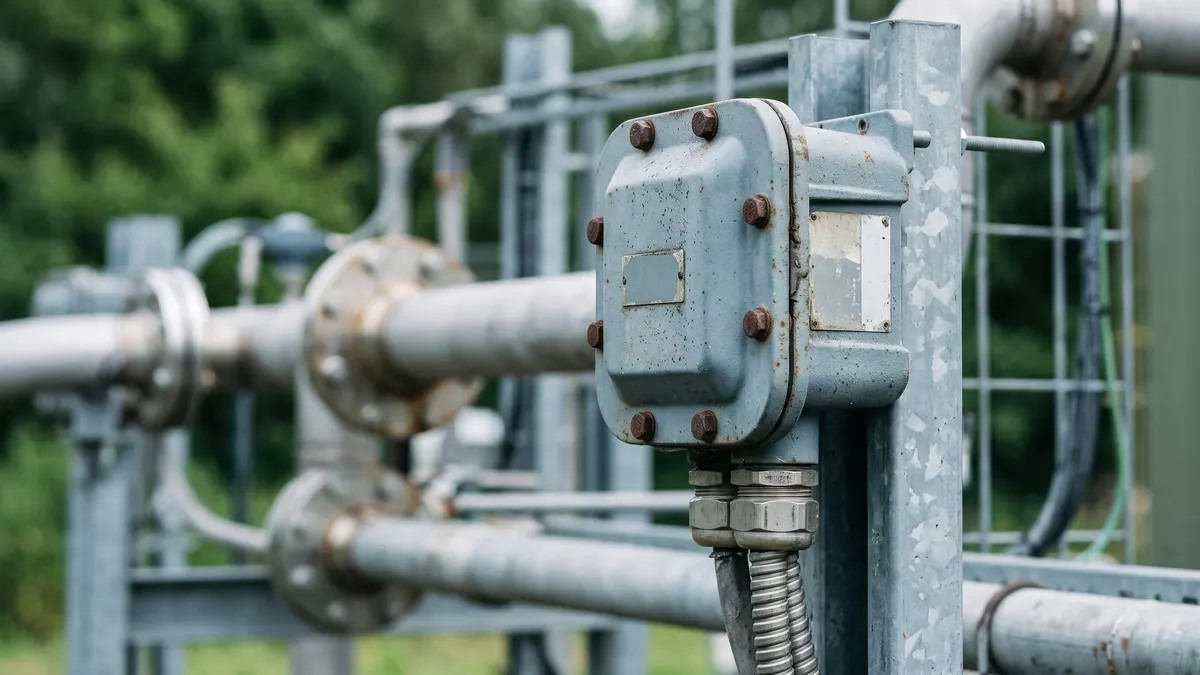
Foam drawn into the gas line increases the risk of flooding condensers, blowers and biological desulphurisation units. Gas lines from the digester should therefore have siphons and condensate traps with level control, and the pipelines — a slope allowing liquid to drain away. After a foaming episode, check that the lines are clear and that the over- and under-pressure valves work before returning to the full substrate feed rate.