Waste and circular economyExplainer
End-of-waste status (Article 14): when compost or digestate stops being waste
Waste can cease to be waste after recycling or other recovery, but only if it meets the four conditions of Article 14 and the specific conditions. We explain where to get them from and what this means for digestate and compost.
Other language versions: polski.

Waste ceases to be waste (Article 14 of the Act on Waste, ustawa o odpadach) if, after recycling or other recovery, it cumulatively meets the general conditions — it has a specific use, a market or demand exists, it meets the technical and legal requirements, and its use does not harm life, health or the environment — and the specific conditions arising from EU law, a ministerial regulation, and where those are lacking, from the waste processing permit. In practice, for compost and digestate this is rarely a simple route.
Four general conditions and a specific condition
| Element | Meaning |
|---|---|
| Specific use | it is known what the material will be used for (e.g. as an organic fertiliser) |
| Market or demand | a recipient exists; this is not about material “with no addressee” |
| Technical and legal requirements | standards, rules on chemicals and on products, e.g. on fertilisers |
| No adverse effects | on human life, health and the environment |
| Specific conditions | from EU provisions or national regulations, and in their absence — from the processing permit |
The minister responsible for climate may issue a regulation on specific conditions for certain wastes: permitted processes and techniques, quality criteria, a management system with quality control and monitoring of one’s own activity, and an assessment and statement of compliance with the conditions. This is a good hint of what the documentation looks like even when the conditions end up in the permit.
Where to look for specific conditions
- EU law. EU criteria exist for selected streams, e.g. metal scrap (Regulations 333/2011 and 715/2013) and glass cullet (1179/2012). For biowaste there are no separate adopted EU end-of-waste criteria, but the Fertilising Products Regulation (EU) 2019/1009, applicable since 16 July 2022, allows compost and digestate meeting its requirements to be placed on the market as a CE-marked product.
- National regulations. In October 2023 the regulations in force include those on specific end-of-waste conditions for asphalt granulate (from 1 January 2022) and waste from fuel combustion (from 1 December 2022).
- Processing permit. The permit application is to indicate the types of waste that may cease to be waste, demonstrate that the general conditions are met and — if there are no regulations — propose specific conditions; the permit sets them out in the decision (Article 42(2)(6a) and Article 43(2)(3a)).
Compost and digestate: three routes
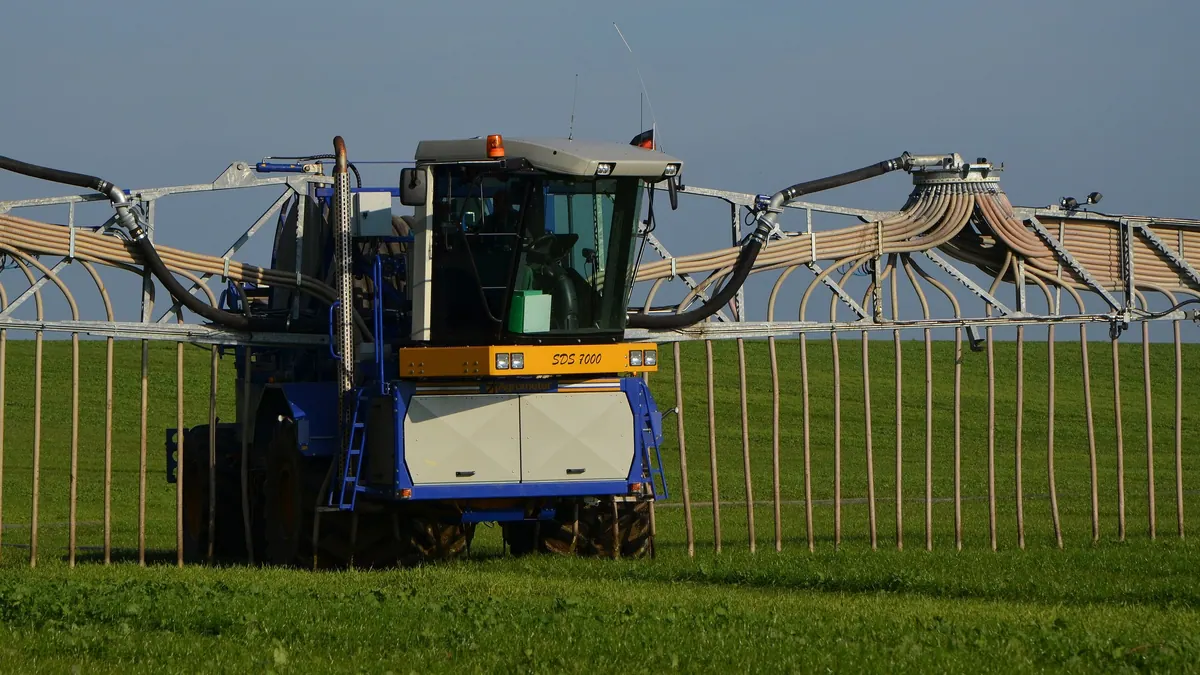
- Still waste, but in circulation. Digestate or compost applied to the field as waste in the R10 process. The 2015 regulation lists the codes from subgroup 19 06 and code 19 05 03, setting conditions: waste quality, tests in an accredited laboratory, the method of application, sanitary requirements for animal material and soil parameters. The material then does not lose waste status.
- EU fertilising product. Material meeting the requirements of Regulation (EU) 2019/1009 is placed on the market with CE marking on the basis of a conformity assessment. This is the route for producers whose installation and quality system are adapted to that regulation.
- End-of-waste status in the permit. The applicant indicates the type of waste, the meeting of the general conditions and its own specific conditions, which the authority may transfer to the decision. This requires consistent testing, quality control and evidence of a market.
Whether digestate from agricultural substrates alone is waste depends on the composition of the feedstock and the legal classification; in case of doubt it is worth obtaining the authority’s position before placing it on the market.
R10 recovery versus end-of-waste status: a comparison
| Feature | Recovery on land (R10) | End-of-waste status |
|---|---|---|
| Status of the material | still waste | ordinary product (once the conditions are met) |
| Basis | the 2015 regulation and the permit | Article 14, EU or national provisions, or the permit |
| Records in BDO | as for waste | after loss of status — outside waste records |
| Storage | places for waste | separately from waste (Article 15) |
| Typical user | a farmer taking digestate, with soil tests | a recipient buying compost or fertiliser as a product |
Choosing the route is a business and a legal decision at once: R10 is simpler formally, but leaves waste status and all the records obligations; end-of-waste status opens the market, but requires constant quality control and documentation.
After the loss of status
An item or substance that has ceased to be waste should, until first use (where it has not been placed on the market) or until placing on the market, meet the conditions of Article 14(1). When it ceases to meet them, it is waste again. Article 15 prohibits the joint storage of waste and material that has lost waste status, and the storage of such material in places intended for waste.
Documentation that makes sense
- a description of the processing process and of the batch (number, date, quantity);
- results of control tests in the laboratory, consistent with the scope in the regulations or the permit;
- evidence of a market or demand (contracts, orders);
- quality control and own-activity monitoring procedures;
- a statement of compliance with the conditions, if the regulations or the permit provide for one.
Common mistakes
- assuming that “after processing it is already a product” without conditions in the regulations or the permit;
- no evidence of demand or a market;
- mixing compliant and non-compliant batches;
- storing material “after loss of status” on a waste yard;
- documentation inconsistent with actual deliveries.
What to do first
- Establish whether EU or national specific criteria exist for your material.
- If not, consider the route of an EU fertilising product or R10 recovery as waste.
- With a permit, plan what end-of-waste conditions you will propose and what tests you will back them with.
- Separate the storage of waste and of material after loss of status.
This text is for information only and does not constitute legal advice; before an investment or formal decision, check the current wording of the regulations and consult a lawyer or the competent authority.
Sources
Questions and answers
Is digestate a waste or a fertiliser?
It depends on the substrates and the process: digestate from waste usually has waste status until it goes through a procedure to convert it into a product, while digestate from agricultural substrates can be a fertiliser or a plant biostimulant without waste status.
Who determines that a material has ceased to be waste?
There is no single authority that "grants" such a status. The conditions are set by EU law, a ministerial regulation or a waste processing permit; it is the waste holder who is responsible for the documentation and for the material actually meeting them.
Related articles