Energy Law after the amendment: connecting biogas plants with biogas storage and reserve gas supply
The act of 28 July 2023 amending the Energy Law, published on 23 August 2023, contains rules on connecting biogas plants with biogas storage, aggregation and the reserve supply of gaseous fuels. It enters into force on 7 September 2023.
Other language versions: polski.
The act of 28 July 2023 amending the Act – Energy Law and certain other acts (Journal of Laws (Dz.U.) 2023, item 1681), published on 23 August 2023, enters into force on 7 September 2023. It is a broad amendment implementing EU regulations on the energy market. It also contains, however, provisions important for biogas plants: rules on connecting installations with biogas storage and definitions of biogas, agricultural biogas and biomethane in the context of connections and energy communities.
What is changing
For biogas plants, three groups of changes are key:
- Biogas plants with biogas storage: if the connection agreement limits capacity, it must allow energy to be fed into the grid for at least 12 hours a day without compensation,
- Connection applications: an application for a biogas, agricultural biogas and biomethane installation with a voltage below 110 kV may include a commitment to unconditional capacity limits; the operator still examines the technical and economic possibilities,
- Energy communities: citizen energy communities may engage in the production, storage or sale of biogas, agricultural biogas, biomass and biomethane.
In the gas sector the amendment introduces reserve supply: the customer names a reserve supplier in the contract, and when the supplier stops selling, the operator concludes a reserve contract; changing supplier must be made possible within 21 days. Transmission contracts are to be based on a template published by operators. In the power sector, aggregation, flexibility services and dynamic price contracts for large suppliers appear.
Significance for the industry in Poland
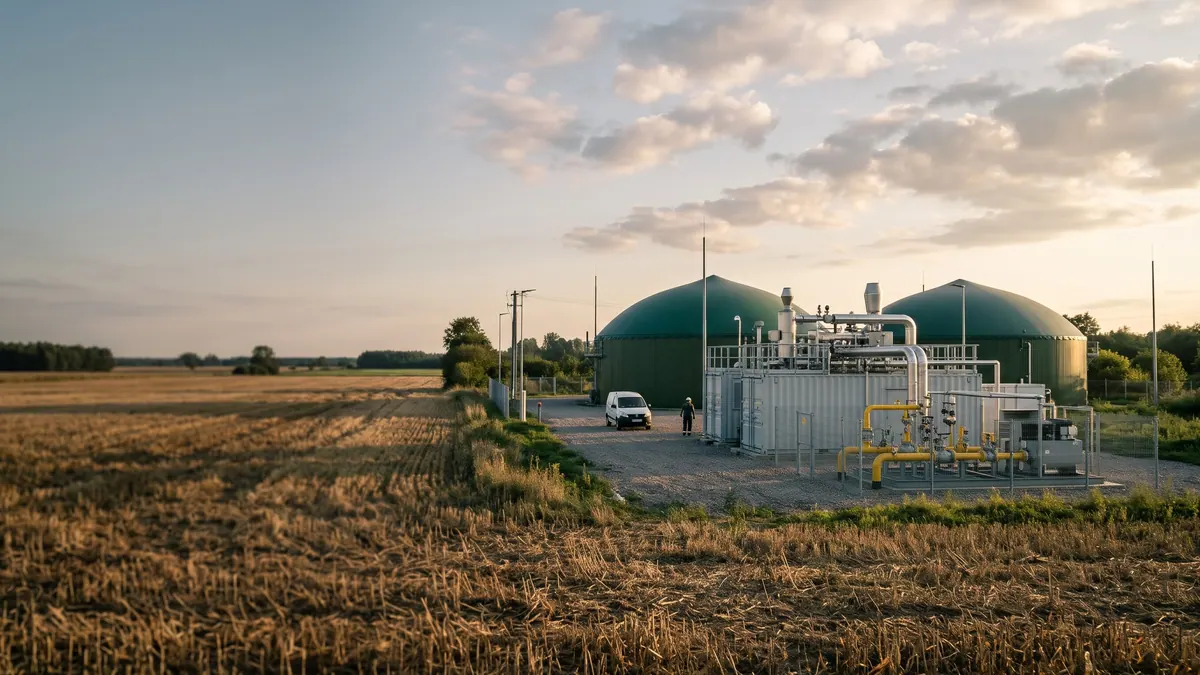
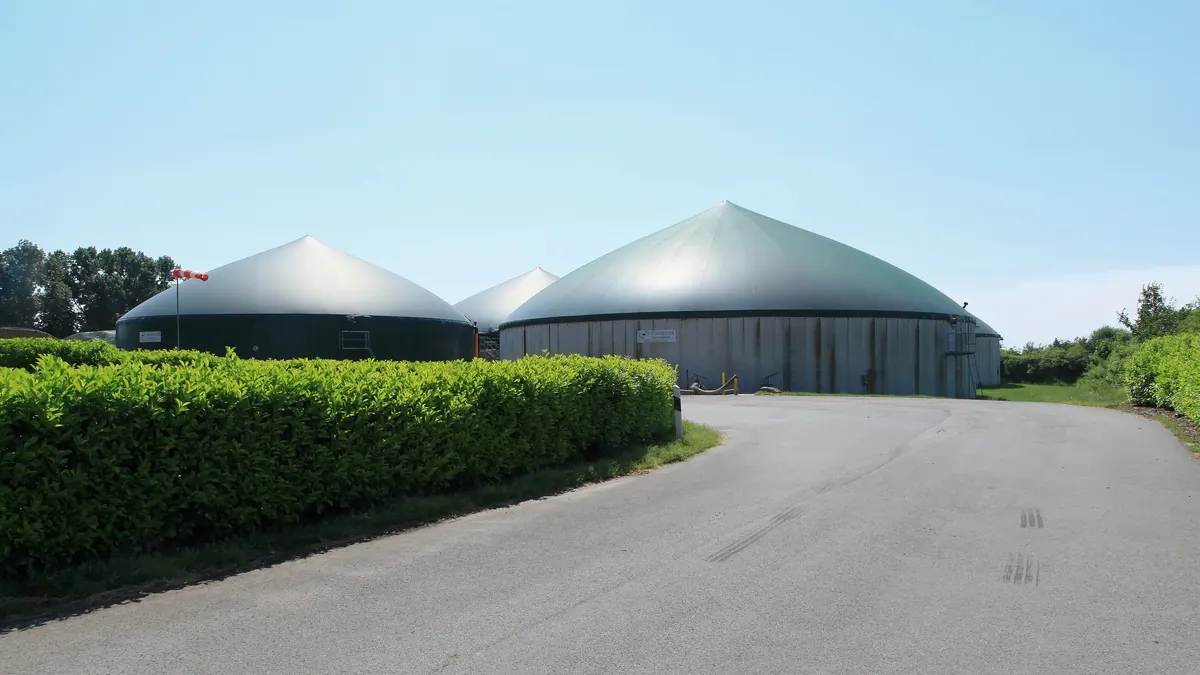
Agricultural biogas plants equipped with sufficiently large biogas storage can shift energy production to peak hours. The new rules guarantee that connection capacity limits cannot deprive an installation of the ability to operate for at least 12 hours a day, which protects the business model of flexible production. At the same time, the investor's application may include a commitment to unconditional capacity limits – a compromise that makes it possible to avoid grid expansion costs.
Regulating the role of energy communities with regard to biomethane opens the way to local gas projects co-created with municipalities, farmers and customers.
What to pay attention to
When negotiating connection conditions, the provisions on capacity limits and their effect on the installation's operating schedule must be analysed carefully. It is also worth checking whether the planned installation can join an energy community.
Why 12 hours matters
A biogas plant with biogas storage can produce electricity flexibly, in hours with higher prices. A guarantee of at least 12 hours a day without compensation protects this model from excessive operator restrictions. At the same time the operator gains a tool for connecting sources more quickly where the grid is loaded, which shortens the queues of investments.
For installation designers the conclusion is practical: the capacity of the biogas storage and the power of the engine should be chosen taking possible connection limits into account, and not just maximum production.
What next
Grid operators will adapt their instructions and contract templates. The biogas industry should monitor the practice of applying the new rules and any implementing regulations concerning connections.
Sources
Related articles