BiomethaneEvent
Italy: recovery plan approved, EUR 1.92 billion for biomethane development
The EU Council approved the Italian recovery plan on 13 July 2021. Investment M2C2 1.4 for biomethane development provides about EUR 1.92 billion and production of 2.3 billion m³ per year by mid-2026.
Other language versions: polski.
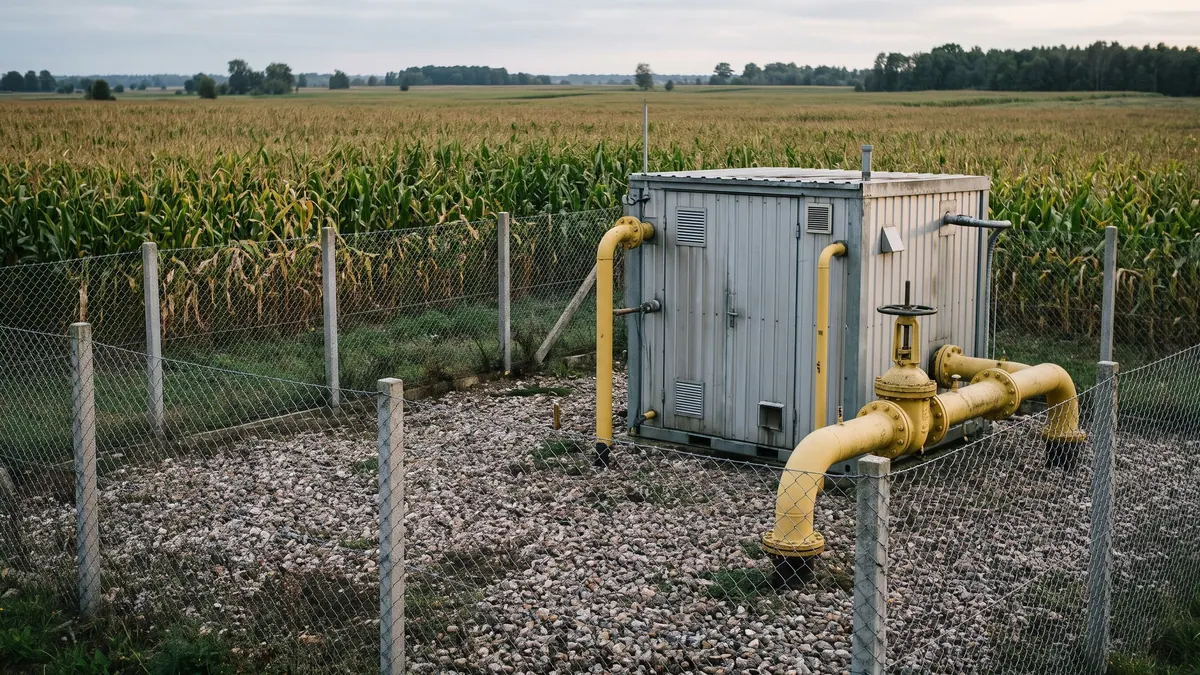
The ECOFIN Council approved on 13 July 2021 Italy's National Recovery and Resilience Plan (PNRR). One of its elements is investment M2C2 1.4 "Development of biomethane in line with the circular economy approach" with a budget of about EUR 1.92 billion. Target: additional biomethane production in new and converted installations of at least 2.3 billion m³ per year by 30 June 2026.
What investment M2C2 1.4 provides for
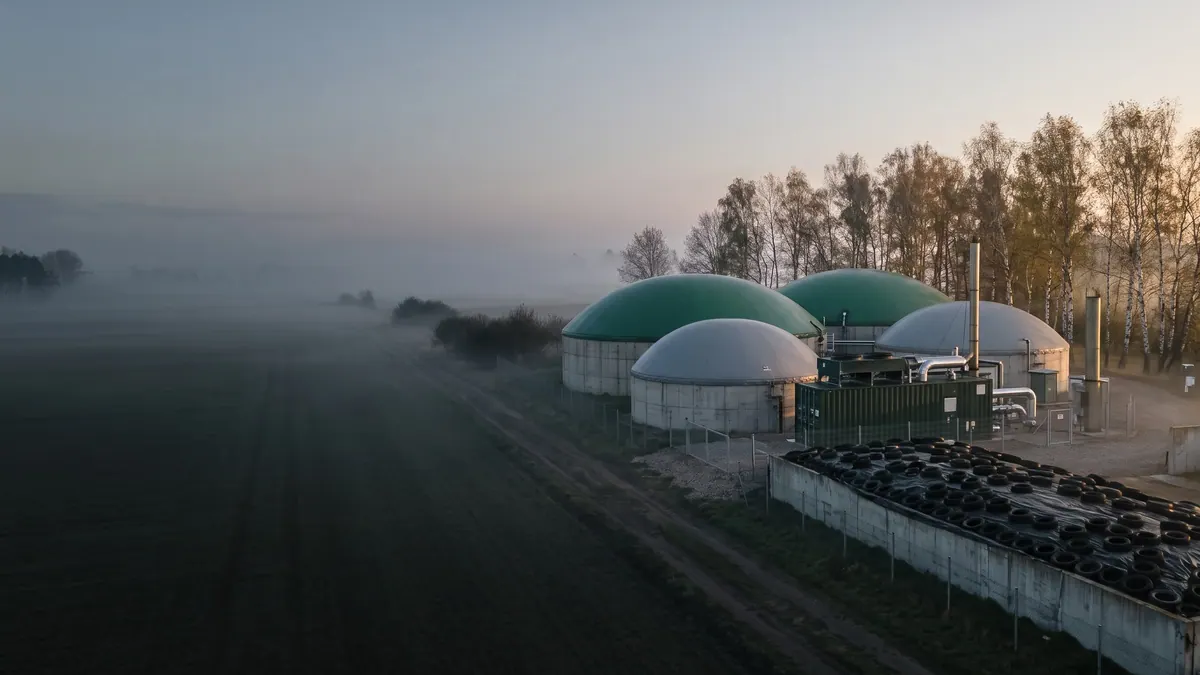
The funds are intended for building new biomethane installations and converting existing biogas plants (including from cogeneration to biomethane production), as well as for modernisation supporting the reduction of emissions from agriculture and waste management. The investment fits the circular economy approach: the feedstock is organic waste, natural fertilisers and agricultural residues, and the digestate is to serve as fertiliser.
Italy already has experience with biomethane in the transport sector, where for several years a support system based on certificates and implementing decrees has been in force. The PNRR extends this direction, combining EU funds with national instruments.
Significance for Europe
Italy is among the largest European biogas markets, with a large number of agricultural biogas plants. Converting existing cogeneration installations to biomethane makes it possible to use the infrastructure already built and access to feedstocks. For countries that are only building their market, such as Poland, it is an example that recovery funds can be used to finance biomethane – provided it is included in the national plan.
The Polish plan, submitted to the Commission in May 2021, contained – according to the March draft – mentions of biogas, but did not provide for as large a separate component for it as the Italian one.
Tips for investors
The Italian experience shows several conditions for success: a precise volume target, a timetable with milestones, a combination of an investment grant with an operating support mechanism, and simplified grid connection procedures. The absence of any of these elements can delay delivery, as seen in the difference between countries with developed and only emerging markets.
What next
After the plan was approved, Italy could sign implementing regulations and announce calls for co-financing. The pace of delivery was to depend on the ability of the administration and investors to prepare projects within the tight deadlines imposed by the RRF.
The role of agriculture in the Italian model
In Italy, agricultural biogas developed particularly in the north, in regions with intensive livestock production and maize cultivation. Over time, the market moved from a model based solely on energy crops to one combining natural fertilisers and residues with secondary crops. Such an evolution is important for Poland, where the discussion on permissible substrates and sustainability criteria is similar in nature.
Disclaimer
The amounts and targets come from the documents of the Italian plan and press reports; during implementation recovery plans were adjusted, so the target values may have changed.
Sources
Related articles