Market and investmentAnalysis
Biomethane in Italy: CIC certificates, PNRR and agricultural biomethane
Italy is developing biomethane through CIC certificates in transport and the PNRR programme for agricultural biomethane, with an investment grant and a tariff. We discuss the mechanisms, the agricultural model and the lessons.
Other language versions: polski.
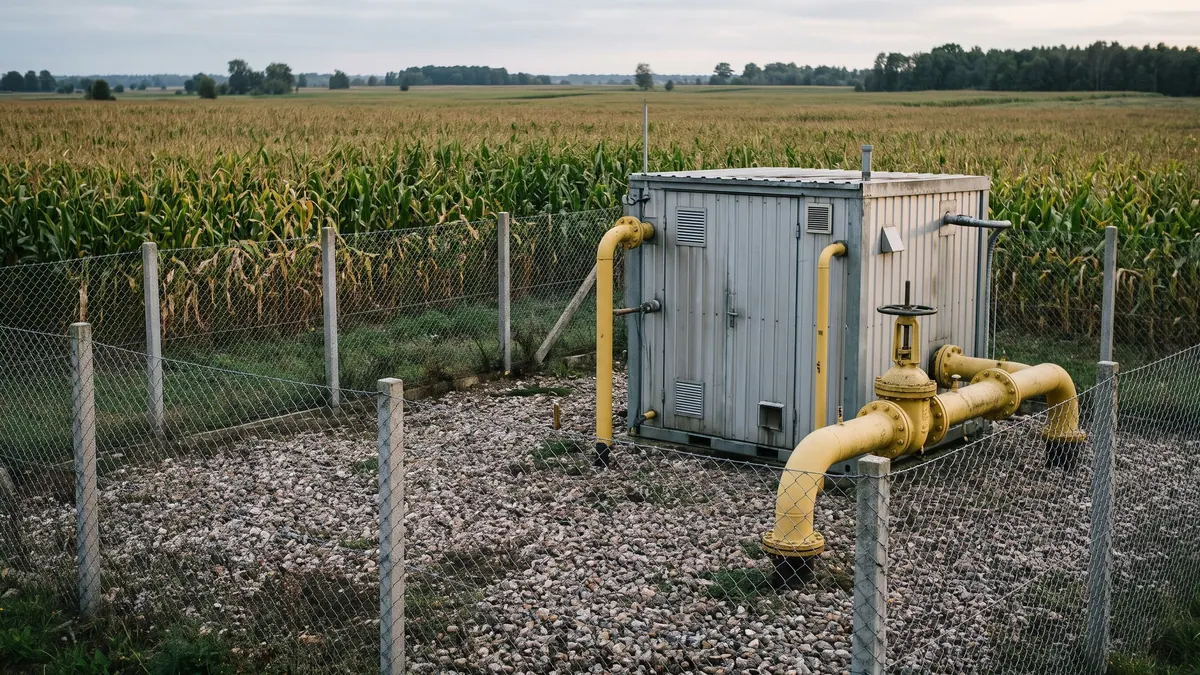
Italy is developing biomethane along two main paths: support for biomethane in transport through the CIC (Certificati di Immissione in Consumo) certificate system, introduced by a 2018 decree, and a programme under the national recovery plan (PNRR), which combines an investment grant for new and converted plants (especially agricultural ones) with a long-term tariff for injected biomethane. In addition, the Italian agricultural community, centred on the association CIB, promotes a model of biogas integrated with sustainable agriculture. The details of rates and deadlines change, so below we describe the mechanisms without giving specific amounts.
CIC certificates in transport
Under the CIC system, fuel suppliers are obliged to place a specified quantity of renewable fuels (including biomethane) on the transport market. Biomethane producers receive certificates for placing gas on the market as a fuel, and the certificates can be sold to obligated parties. Preferential multipliers are provided for advanced biomethane (from waste and residues). The mechanism gives the producer revenue from selling both the gas and the certificates, and gives transport access to renewable fuel.
PNRR and agricultural biomethane
The PNRR programme covers new biomethane plants and the conversion of existing agricultural biogas plants, with a grant covering part of the investment costs and a tariff for injected biomethane for over a dozen years. The conditions may include requirements concerning substrates (among others the share of manure and residues), good agricultural practice and commissioning deadlines. The programme's targets assumed a significant increase in biomethane production by 2026; the actual degree of implementation should be checked in official statistics.
The “biogas done right” model
The Italian biogas association CIB promotes a concept in which the biogas plant is an element of sustainable agriculture: intermediate crops (two harvests a year), increasing the carbon content of soil by returning digestate, reducing mineral fertilisers and diversifying farm revenue. This model reduces competition with food production, because it uses second crops and residues, and the enriched digestate replaces part of the mineral fertilisers.
Worked example (illustrative)
A farm cultivates 200 ha. On 100 ha it grows an intermediate crop (e.g. green rye + maize) yielding an additional 12 t TS/ha. In total 1200 t TS. With a BMP of 300 NmL CH₄/g VS (let us assume 90% of TS is VS): 1200 t × 0.9 × 300 = 324,000 Nm³ CH₄ ≈ 3.2 GWh. This shows that intermediate crops can support the feedstock base without taking up additional land, but the scale of a single farm is small, so collective plants or a combination with manure are needed.
The roles of GSE and operators
Gestore dei Servizi Energetici (GSE) manages the support and certification systems, and grid operators (e.g. Snam) handle connections and expand the network with reverse compression. For the investor this means two administrative tracks: support and connection.
Lessons for Poland
- Combining an investment grant with a tariff lowers the barrier to entry for farmers, but requires a predictable programme.
- Intermediate crops and manure limit competition with food.
- A certificate mechanism in transport can supplement gas sales.
- The programme's substrate requirements must be checked in advance, because they affect the mass balance.
What this model says about the economics
In the Italian model part of the investment risk is taken over by the grant, and part of the revenue is secured by the tariff or certificates, which simplifies bank financing. At the same time the farmer remains the owner of the substrates and digestate, so the economic benefit comes from three sources: selling biomethane, replacing mineral fertilisers with digestate and the additional yield from intermediate crops. If any of these elements fails, profitability falls, which is why sensitivity analysis is just as important as in other countries.
Limitations and risks
A programme with a limited implementation period requires projects to be prepared quickly (permits, connection), and rising equipment costs during implementation can reduce profitability. In addition, the substrate requirements must be met throughout the support period, which requires record-keeping and audits. The experience of other countries shows that delays in connection are often the main risk factor.
The role of contracts and off-takers
Italian producers often conclude long-term agreements with gas sellers or bioCNG/bioLNG stations, in which the price covers both the gas and the certificates. It is important to state clearly in the contract who owns the certificates and environmental attributes, because the value of the product sold and the avoidance of double counting depend on it.
Summary
The Italian model shows a combination of instruments (CIC, PNRR, sustainable agriculture) that together drive the biomethane market. The specific support parameters change and should be checked in official sources.
Sources
Related articles