BiomethaneEvent
NFOŚiGW consults on a biomethane programme: up to PLN 4 billion from the Modernisation Fund
NFOŚiGW sent for consultation a draft programme "Improving energy security through the use of biomethane": up to PLN 4 billion (PLN 2 billion in grants and PLN 2 billion in loans) for 2024–2030.
Other language versions: polski.
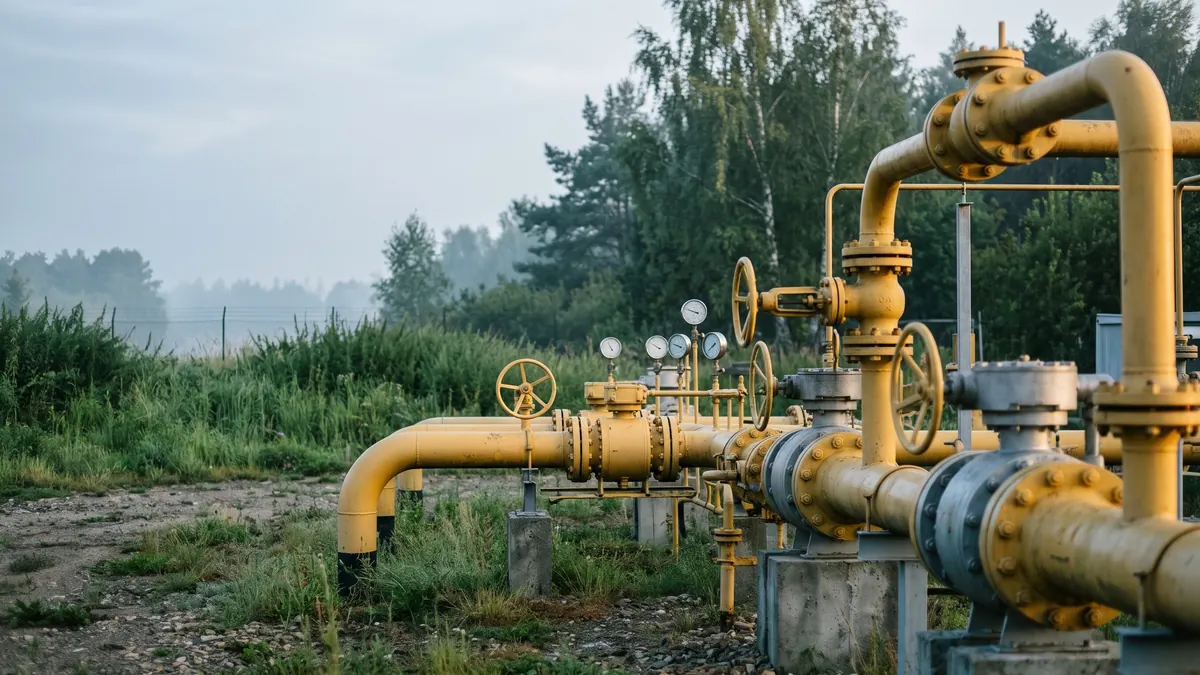
The National Fund for Environmental Protection and Water Management (NFOŚiGW) published in July 2024 for consultation a draft priority programme "Improving energy security through the use of biomethane". The budget of up to PLN 4 billion comes entirely from the Modernisation Fund and is to be split half into grants and half into loans. For the industry it was the largest package announced so far dedicated to biomethane installations.
What the draft programme contains
The aim is to promote the production and use of biomethane produced from the digestion of separately collected biowaste, including waste from the fruit and vegetable industry, kitchen and catering waste, inedible food, and sewage sludge. Beneficiaries are businesses investing in such installations. Support covers:
- new, expanded or modernised biowaste digestion installations producing biomethane with a connection to the gas grid,
- biogas plants equipped with a module for upgrading biogas to biomethane and/or further processing to bioLNG or bioCNG as a transport fuel,
- modernisation of existing biowaste biogas plants with an upgrading, compression or liquefaction module.
Forms of aid: a grant of up to 50% of eligible costs, a loan of up to 100% of costs for a period of up to 15 years; in project finance, an own contribution of at least 15% is required. Agreements may be concluded until 31 December 2027, and funds spent until 31 December 2030.
Significance for the industry in Poland
The choice of biowaste as the main feedstock directs the programme to waste-treatment installations rather than agricultural biogas plants using maize or slurry. This is consistent with the logic of the RED directive (waste feedstocks) and with the goal of increasing separate biowaste collection in municipalities. For local authorities and municipal companies choosing a technology for managing biowaste, the programme may be an impulse to invest in digestion with biomethane recovery rather than composting alone.
Two risks deserve attention. First, an investment grant does not replace operating support – in 2024 Poland did not yet have a system of auctions and contracts for difference for larger biomethane plants (the government was only announcing them). Second, bioLNG and bioCNG require a market of buyers in transport, and that is taking shape slowly.
What next
Consultations run until 25 July 2024; call dates were not given. After they end, NFOŚiGW will decide how to take the comments into account, and the programme must still obtain approval from the institutions involved in the Modernisation Fund. For investors this means real funding will not appear quickly, so projects in the preparation phase should have alternative sources of capital secured. It is also worth following how the final programme defines the criteria for bioLNG and bioCNG and the requirements for connections.
Sources
Related articles