Net-Zero Industry Act: 40% of net-zero technology production in the EU, including biogas and biomethane
On 16 March 2023 the Commission proposed the Net-Zero Industry Act (NZIA). The technologies covered by the target of 40% EU production by 2030 include biogas and biomethane technologies.
Other language versions: polski.
On 16 March 2023 the European Commission presented a draft Net-Zero Industry Act (NZIA). Its main goal is to ensure that by 2030 manufacturing capacity in the European Union covers at least 40% of the annual deployment needs for key net-zero technologies. The list of technologies includes not only photovoltaic panels, wind turbines, batteries, heat pumps and electrolysers, but also sustainable biogas and biomethane technologies. This is an important signal for equipment suppliers: upgrading, fermentation and gas treatment are to be treated as part of the EU's strategic industrial base.
What is changing
The NZIA is meant to be the EU's response to growing competition from the USA (Inflation Reduction Act) and China. The proposal provides for several groups of instruments:
- shorter and simpler permitting procedures for projects manufacturing net-zero technologies (time limits of a few months instead of years),
- resilience and sustainability criteria in public procurement and auctions,
- support for carbon dioxide storage capacity,
- so-called regulatory sandboxes, a coordination platform and skills programmes.
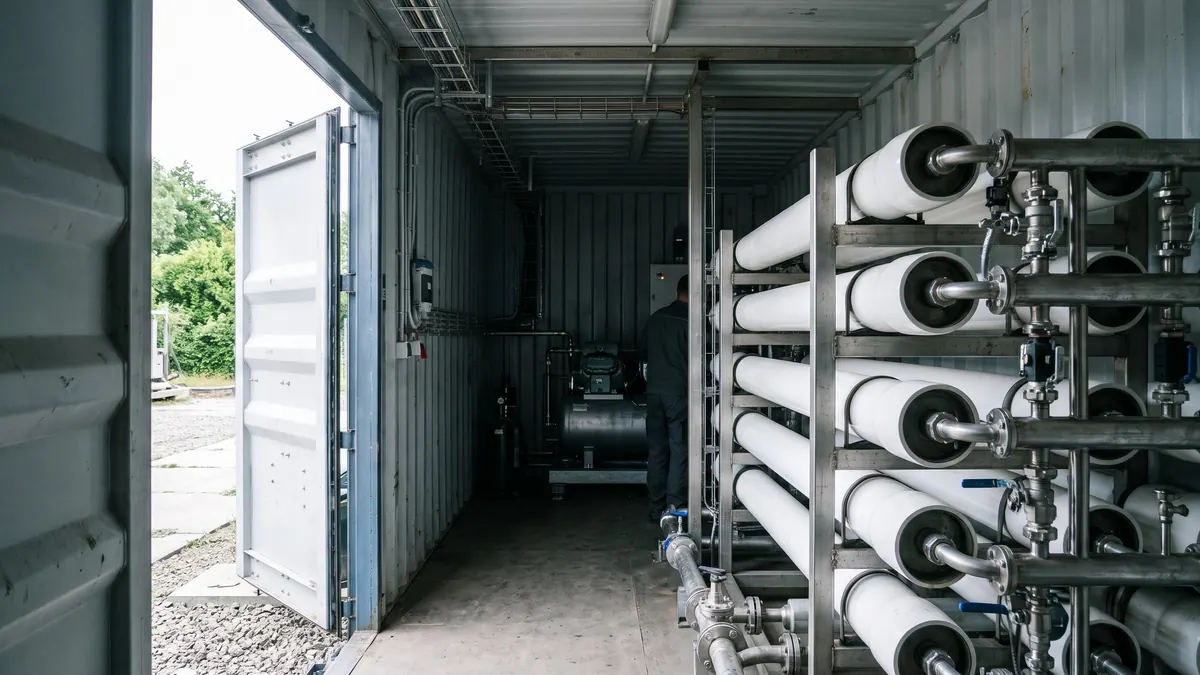
The technologies eligible for support include solutions for biogas and biomethane: digesters, upgrading systems (membranes, scrubbers, adsorption), gas cleaning systems, and liquefaction equipment.
Significance for the industry in Poland
For Polish industry this is an opportunity, because the country is home to equipment manufacturers and integrators of biogas installations, and the market is growing along with plans to build biomethane plants. Resilience criteria in public procurement and auctions may increase the share of local suppliers. On the other hand, stricter requirements on origin and the supply chain will have to be documented.
For investors and biogas plant owners, what matters is that the NZIA does not change the rules for supporting projects but widens the range of instruments for technology manufacturers. In practice it may shorten the time needed to build equipment factories in the EU and improve the availability of components.
Who stands to gain and who has doubts
Industry representatives stress that the act could speed up investment in equipment factories in Europe if procedures are indeed shortened. Organisations representing small manufacturers, however, fear that the 40% target and the public procurement requirements favour the largest players. For the biogas sector it will be important that the definition of the technologies does not exclude smaller solutions, such as containerised upgrading units or modular agricultural biogas plants.
Links with other initiatives
The NZIA was presented together with the Critical Raw Materials Act (a proposal for an EU regulation) and accompanies the Green Deal Industrial Plan. All of these measures are intended to strengthen the competitiveness of EU industry. For the biogas industry, it matters that biomethane technologies appeared on the list alongside better-known ones, which may make it easier to access public funding.
What next
The proposal goes to the European Parliament and the Council. The dispute will concern the list of strategic technologies, the level of the 40% target and the public procurement rules. Biogas technology producers should make sure that the definitions in the final text cover the whole chain, from fermentation to upgrading and liquefaction.
Sources
Related articles