Waste and circular economyEvent
From 3 July 2021, bans on single-use plastic products (the SUP Directive)
From 3 July 2021, EU Member States are to apply bans on placing on the market, among others, single-use plastic cutlery, plates and straws and expanded polystyrene containers. Directive 2019/904 also covers biodegradable plastics.
Other language versions: polski.
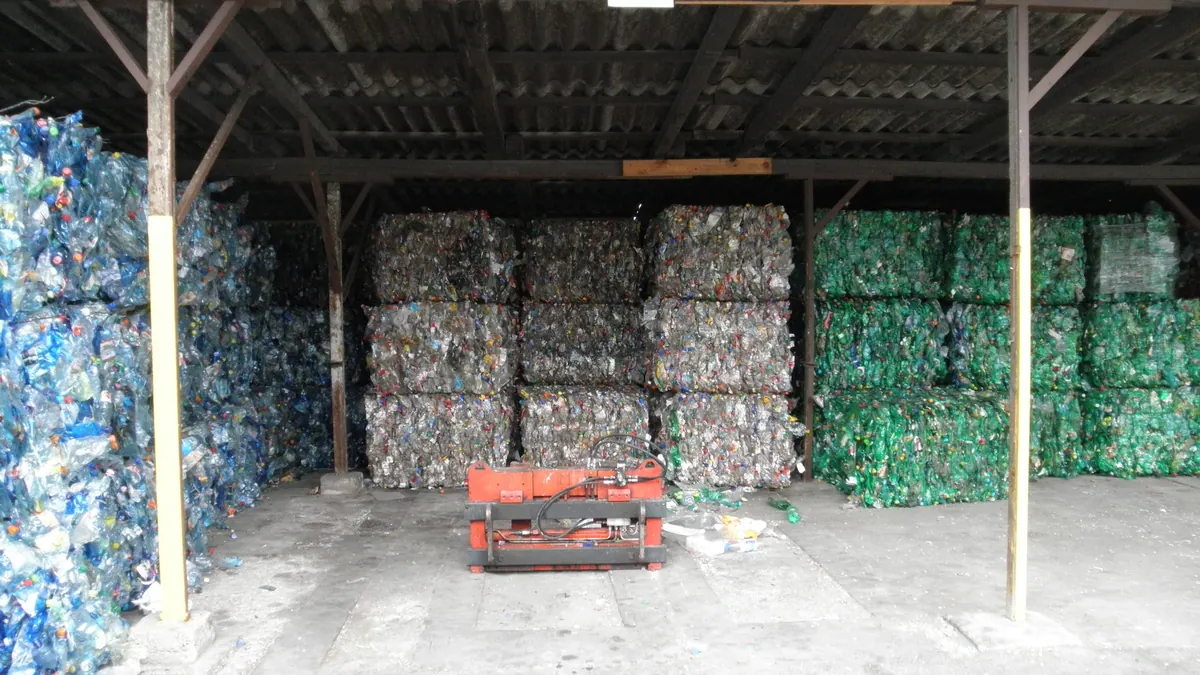

From 3 July 2021, EU Member States were to apply the bans on placing on the market certain single-use plastic products, arising from Directive (EU) 2019/904 (the so-called SUP Directive). The bans cover products for which readily available alternatives exist: cotton buds, cutlery, plates, straws, stirrers and balloon sticks, as well as food and beverage containers and cups made of expanded polystyrene and products made of oxo-degradable plastics.
What else the directive introduces
The bans are only part of the rules. The directive also provides for:
- bottle separate collection targets – 77% by 2025 and 90% by 2029;
- a recycled content requirement in PET bottles – 25% by 2025 and 30% in all bottles by 2030;
- labelling of certain products (including wet wipes, cups and tobacco products with filters), informing about the harm plastics do to the environment;
- extended producer responsibility for the costs of clean-up and collection for selected products, such as cigarette filters and fishing gear;
- a requirement for tethered caps on bottles, to apply from 2024.
In May 2021 the European Commission published guidelines explaining how to apply the definitions and bans.
Biodegradable plastics and biowaste
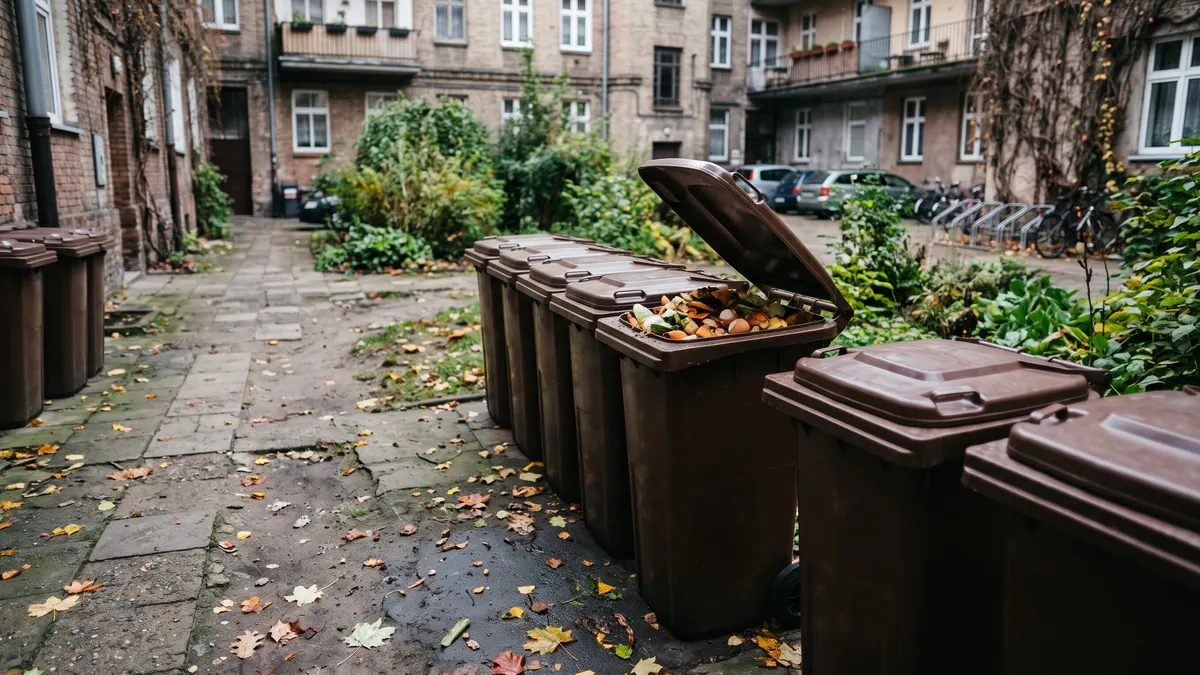
What is important for the biogas and composting industry is that the directive counts bio-based and biodegradable plastics as plastics too. This means that single-use products made of such materials are also subject to the bans if they are on the list. For biowaste processing plants this is important news: contamination of biowaste with plastics, including biodegradable ones that do not break down under the conditions in the installation, lowers the quality of compost and digestate and increases the costs of removing impurities.
Significance for waste management
The directive fits into the circular economy package and into efforts to reduce plastic waste in the seas. Combined with the levy on non-recycled plastic packaging waste, in force since January 2021, it increases pressure on states and producers to limit single-use products and develop separate collection.
What next
For businesses, the key issue is the national rules implementing the directive, especially those on transitional periods for selling off stocks and on the rules of extended producer responsibility. For municipalities – information duties and the adaptation of collection systems.
Practical effects for biowaste processing plants
In practice, introducing the bans may improve the quality of the biowaste stream if single-use plastic products are replaced with paper, wood or reusable materials. On the other hand, the growing use of bags and packaging labelled as compostable raises questions about how they behave in installations: not all of them break down within the time typical for digestion or composting, so operators usually require strict selection and standards for such materials.
Sources
Related articles