BiomethaneEvent
Orlen Południe and PGNiG file an application with UOKiK for a biomethane company; Jeżewo in the plans
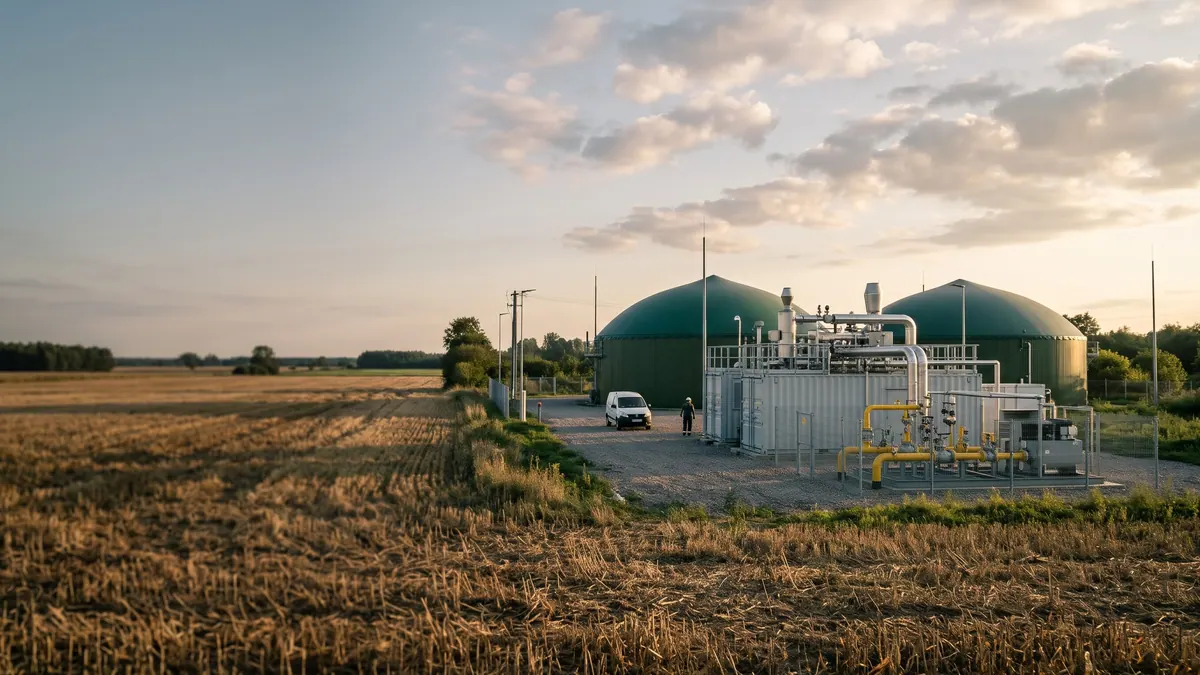
Orlen Południe and the Polish Oil and Gas Company (PGNiG) notified the Office of Competition and Consumer Protection (UOKiK) of their intention to create a 51/49 special purpose company. Among the planned projects is the expansion of the 1.8 MWe biogas plant in Jeżewo to 3.2 MWe and about 8 million m³ of biomethane.
Other language versions: polski.
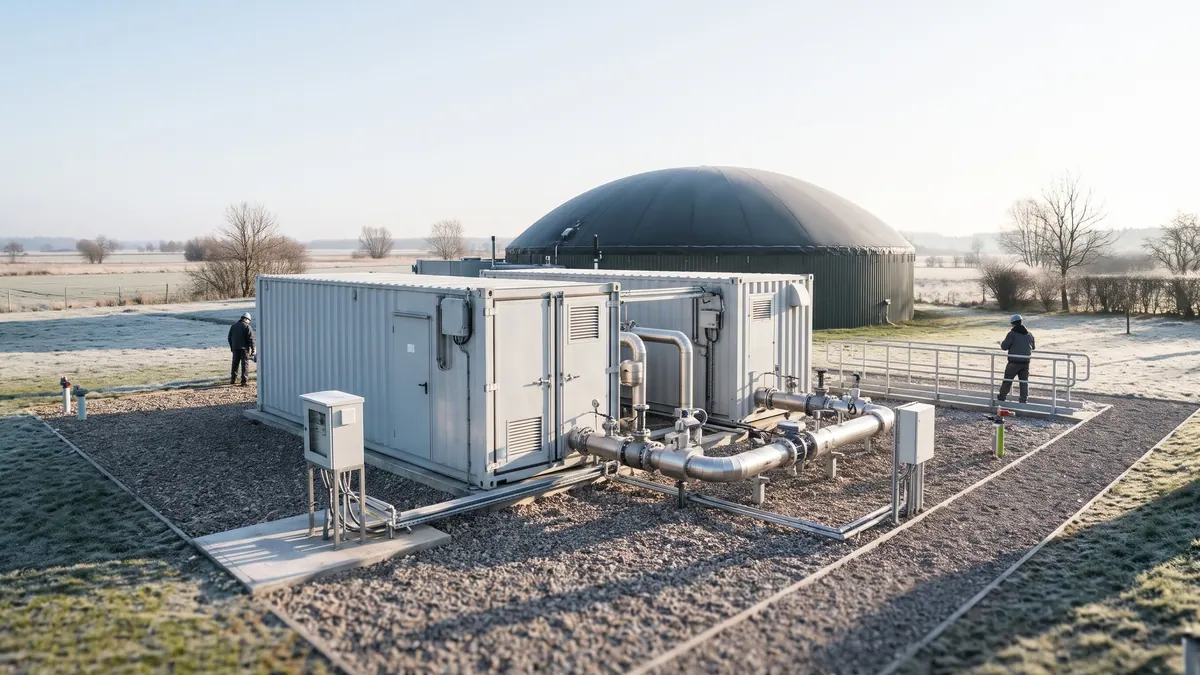
Orlen Południe and the Polish Oil and Gas Company (PGNiG) announced on 5 July 2021 that they had filed with the Office of Competition and Consumer Protection (UOKiK) an application for consent to create a special purpose company that will develop a network of biomethane plants. Orlen Południe will take 51% of the shares in it, and PGNiG 49%. This is the next stage of cooperation begun with the letter of intent of May.
Scope of cooperation
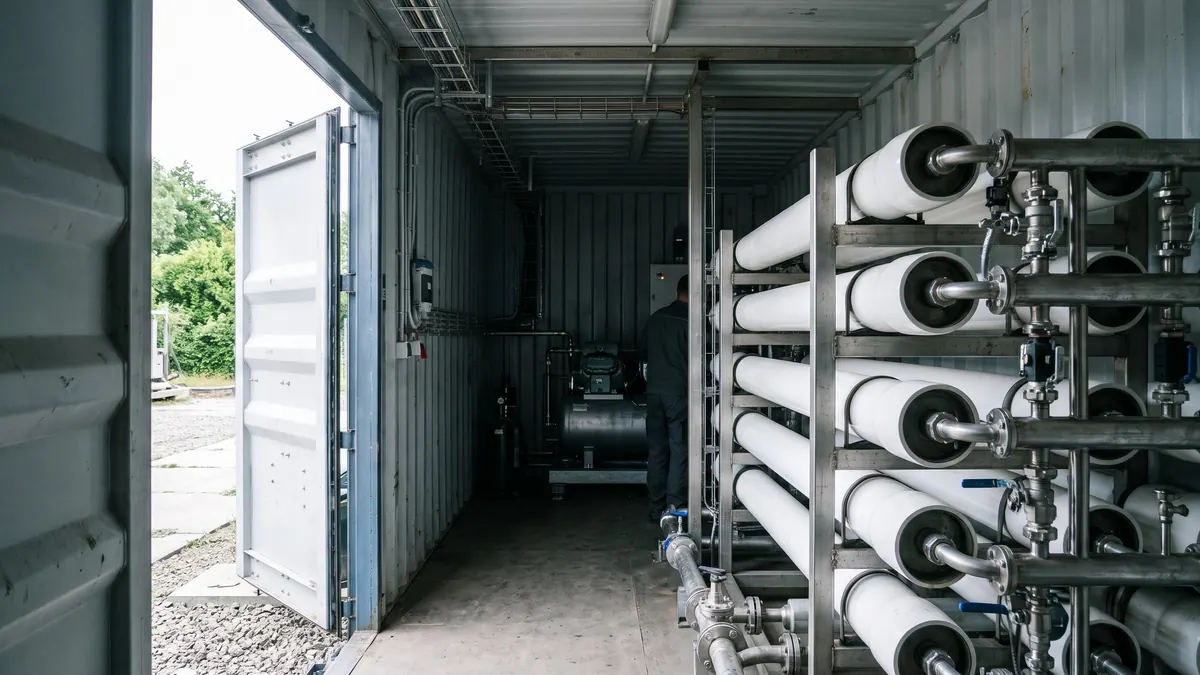
The company is to deal with acquiring and building biogas installations, developing biomethane production technology, and its production and use in both capital groups. The biomethane is to be injected into the distribution network, and its use to produce green hydrogen is also being considered.
Jeżewo: a project with slaughter waste
The projects named include the biogas plant in Jeżewo in the Kuyavian-Pomeranian Voivodeship:
| Parameter | Value |
|---|---|
| Current capacity | 1.8 MWe (commissioned in 2014) |
| Planned capacity | 3.2 MWe by 2024 (additional digesters) |
| Biomethane production after upgrading | approx. 8 million m³ per year |
| Waste processing plant nearby | capacity of 150 thousand tonnes per year, including approx. 15.5 thousand tonnes of slaughter waste |
Besides Jeżewo, the announcement named Konopnica in the Rawa Mazowiecka municipality, Wojny-Wawrzyńce in the Szepietowo municipality and two plots in the Ryn municipality, on which an Orlen installation is being built.
Why Jeżewo is interesting
The presence of a plant processing slaughter waste means that substrates can have a high methane potential, but they require special solutions: hygienisation, ammonia control and compliance with the rules on animal by-products. For a biomethane plant this is a favourable but demanding feedstock, because the high protein and fat content increases the risk of ammonia inhibition and foaming.
Significance for the market
For the market, the notification to UOKiK means moving the project from the declaration phase to a formal procedure. At the same time, there is still no support system for biomethane: profitability depends on gas prices, emission allowances and further regulatory decisions. The planned expansion to 2024 indicates that the companies are counting on rules that will allow injection and trading of biomethane.
What next
The next step is the decision of the competition authority, followed by setting up the company and choosing the biogas upgrading technology. For readers, the key question is whether the announcements will translate into the first biomethane volumes in the grid in the coming years.
Biomethane and slaughter waste
Slaughter waste is among animal by-products, and processing it in a biogas plant requires veterinary approval, compliance with hygienisation requirements and process control. In return, it gives a high methane yield per tonne of mass, which at the right scale makes the installation economically attractive. That is why projects of this kind are often carried out near large meat plants, and their success depends on a stable supply contract.
Sources
Related articles